
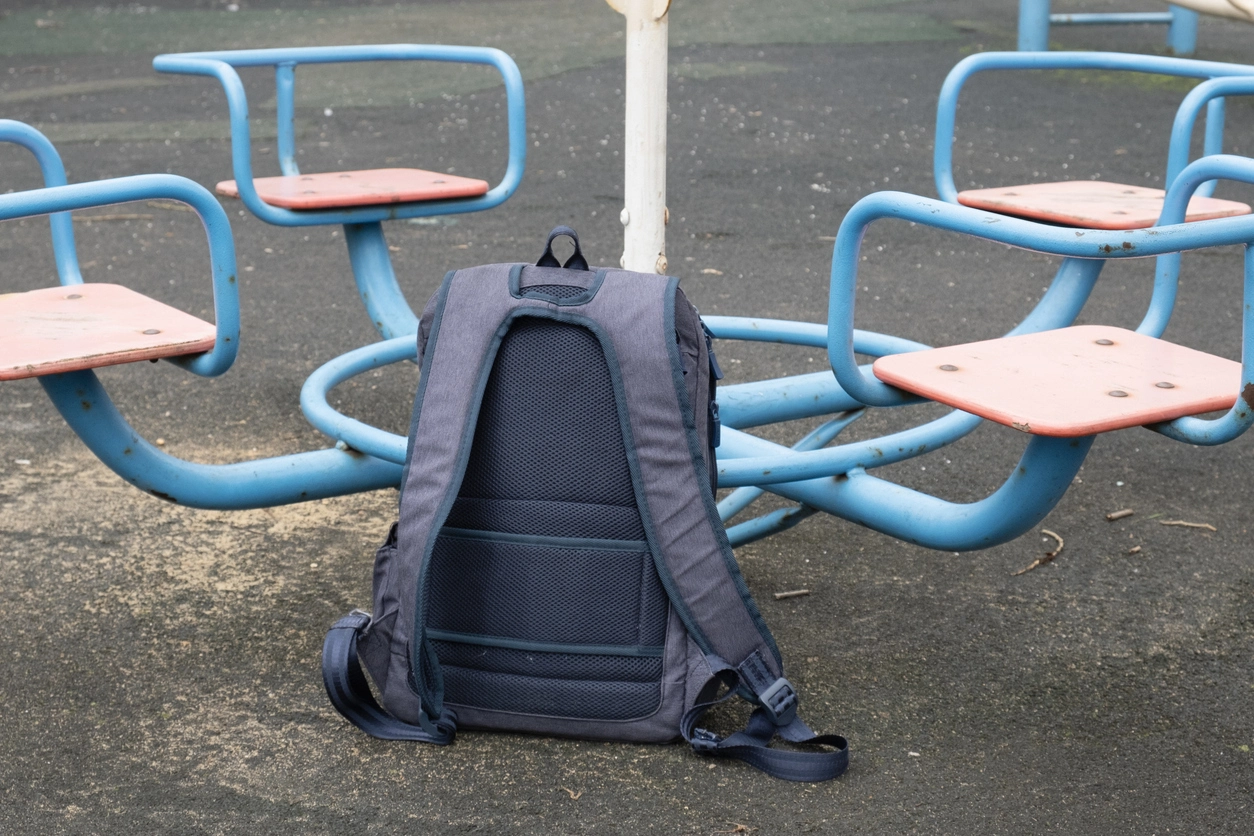
Unattended Objects
Detect supported items left in monitored areas for longer than a configured threshold.
AI Object Detection
Camera Security Now helps businesses evaluate AI object detection capabilities for classifying supported objects, monitoring assets, improving event search, and creating more useful surveillance rules.
Object detection uses analytics to identify supported object types within a camera scene rather than reacting only to general movement.
Depending on the platform, object analytics may classify people and vehicles, identify unattended or removed objects, support inventory or asset monitoring, and generate metadata that makes recorded video easier to search.
Capabilities vary widely by manufacturer. A system should be selected around the specific object types, scenes, event rules, and response workflow that matter to the organization.
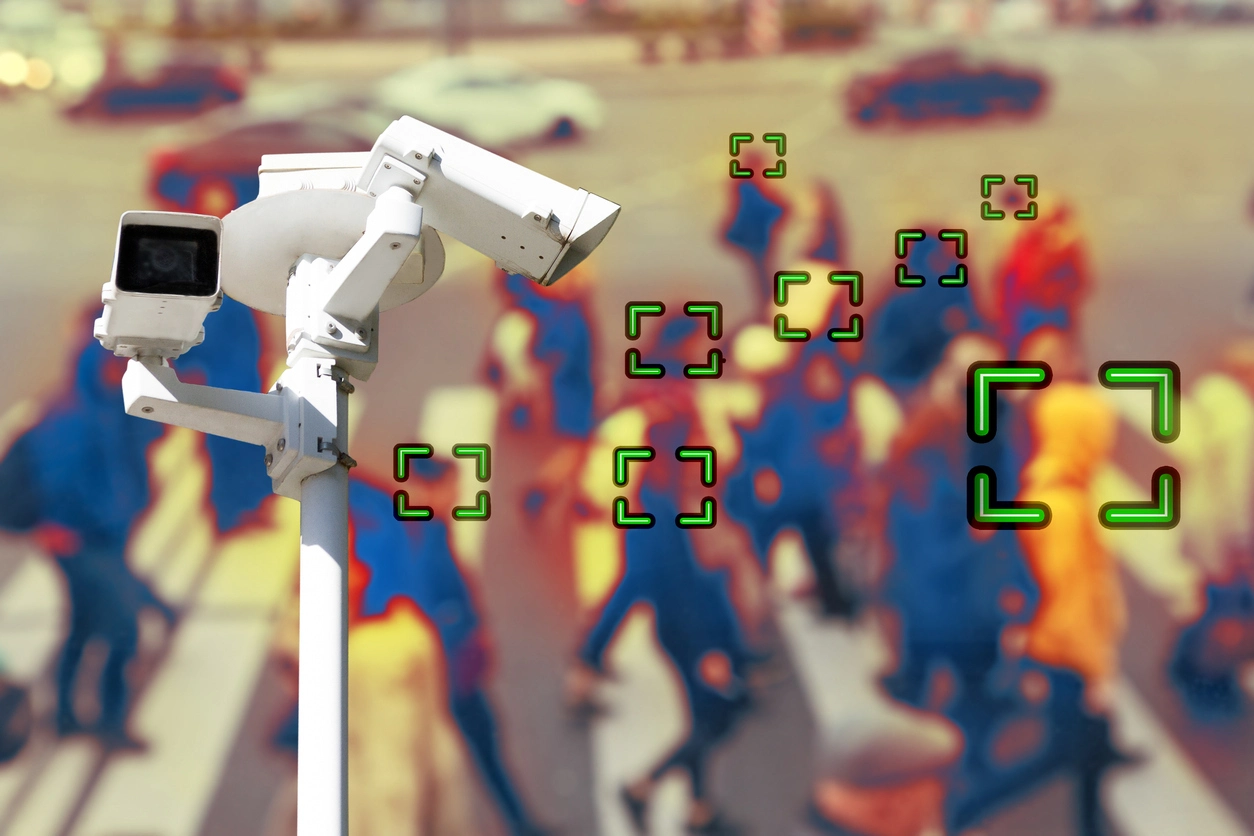
Object-aware analytics can improve event review and support more specific surveillance rules.
Create events around supported object types instead of treating all image changes as equal.
Use supported analytics to monitor selected equipment, inventory, packages, or protected objects.
Narrow recorded-video review using object-related event data when the platform supports it.
Object analytics can support security, operations, and investigation workflows in different environments.
Detect supported items left in monitored areas for longer than a configured threshold.
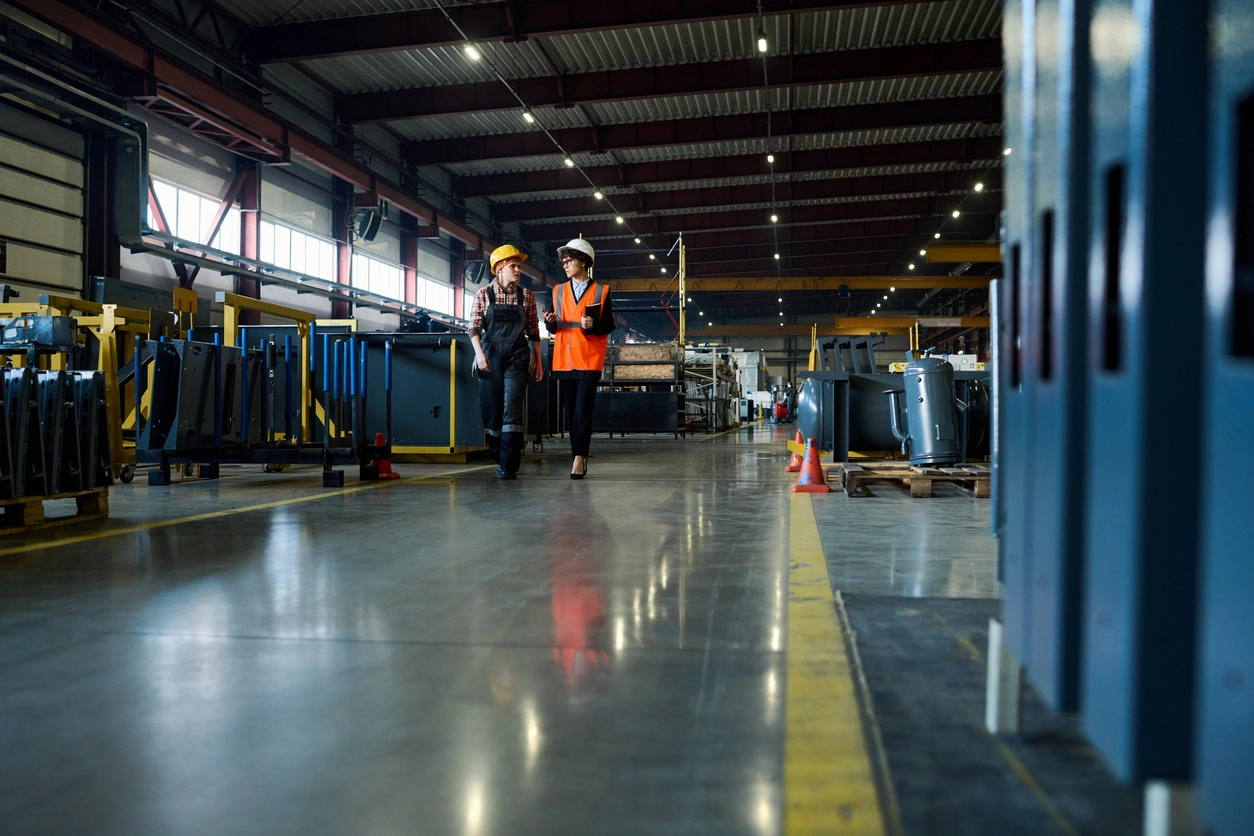
Monitor production and inventory areas where equipment, materials, and objects move through defined spaces.
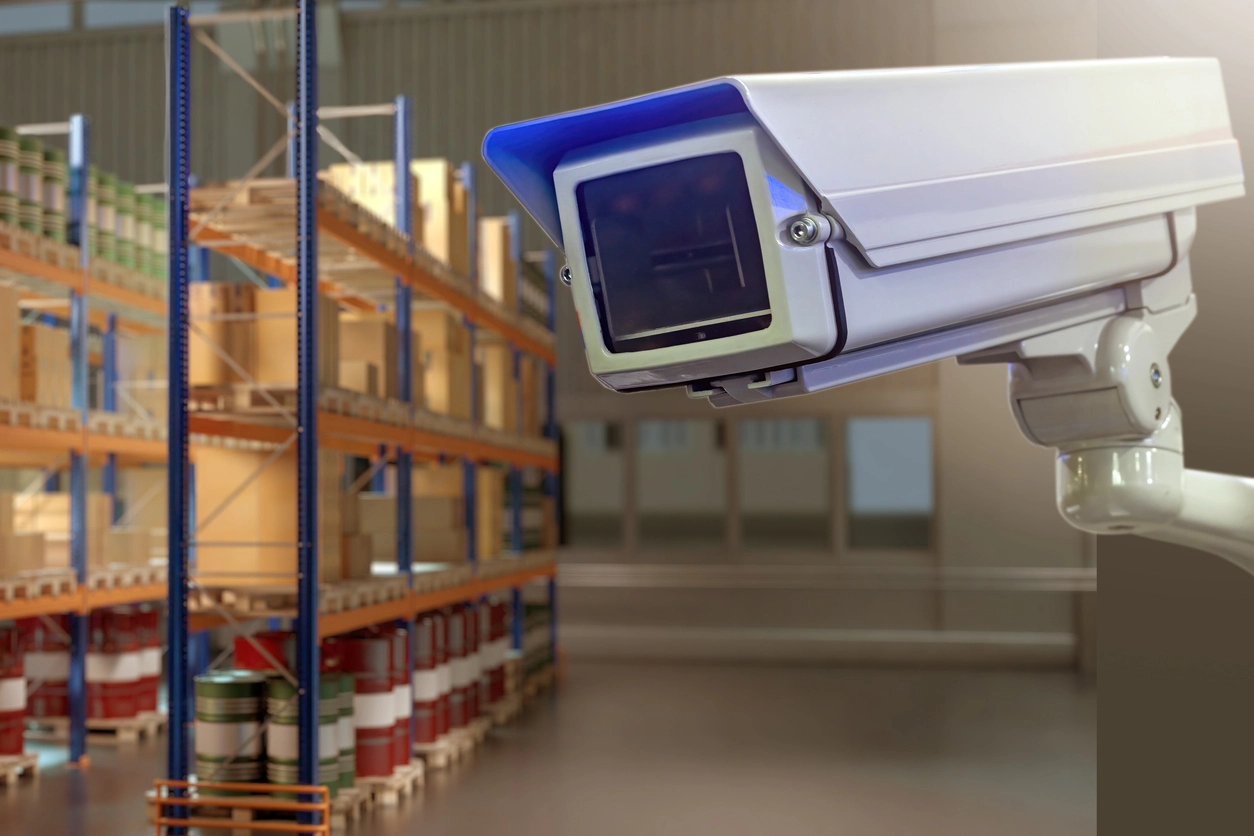
Review object and inventory activity in storage aisles, staging areas, and controlled warehouse zones.
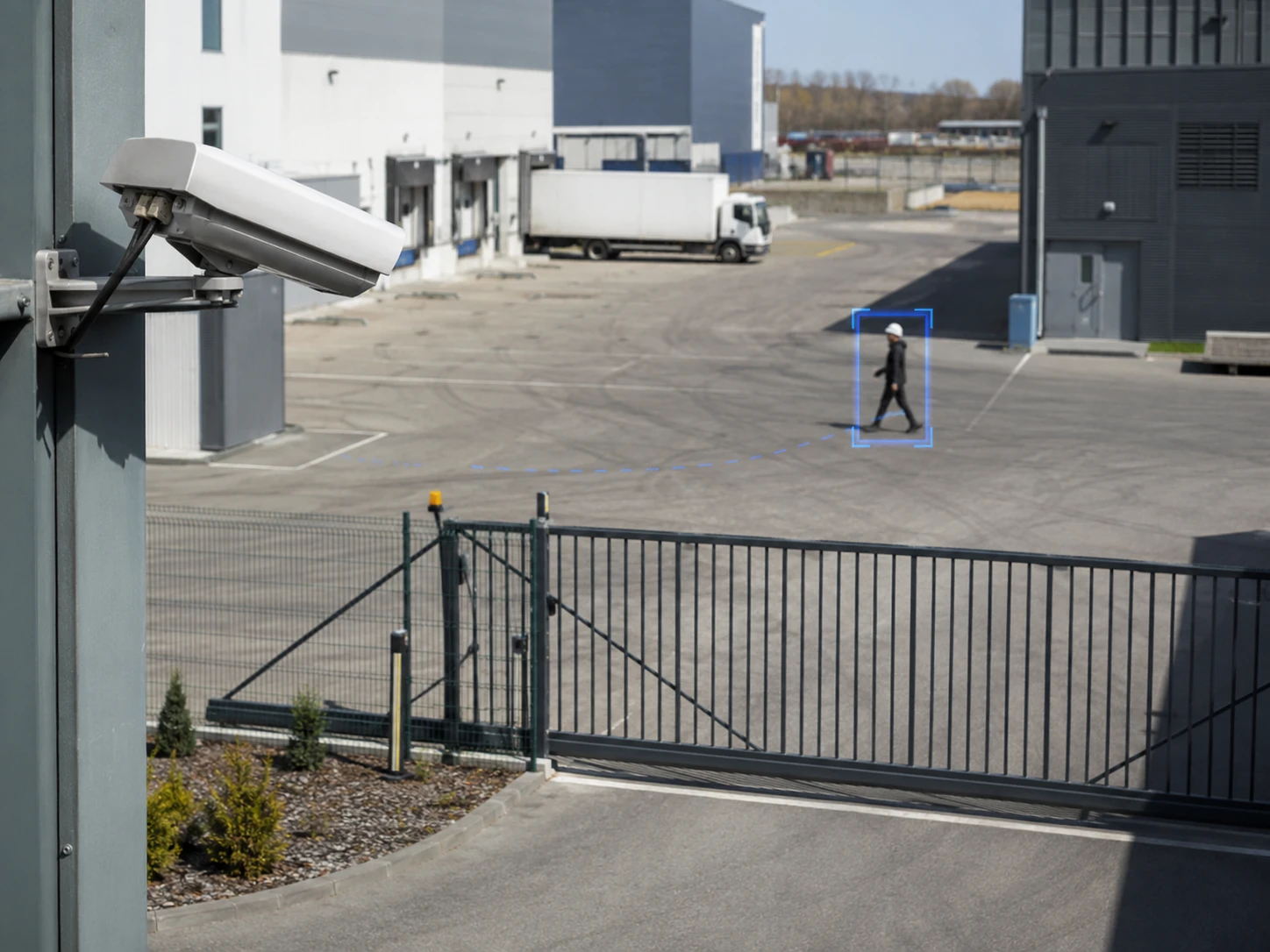
Combine object analytics with tracking and zone rules around high-value or restricted commercial spaces.
Planning Considerations
Object detection classifies or identifies supported objects in a scene, while object tracking follows a detected object as it moves.
A system may detect that an object is present and then track its movement over time. Other workflows focus on whether an object was left behind, removed, entered a zone, or remained in place for a configured period.
Not every platform supports the same object classes or behaviors. Requirements should be defined before selecting cameras, recorders, software, or analytics licenses.
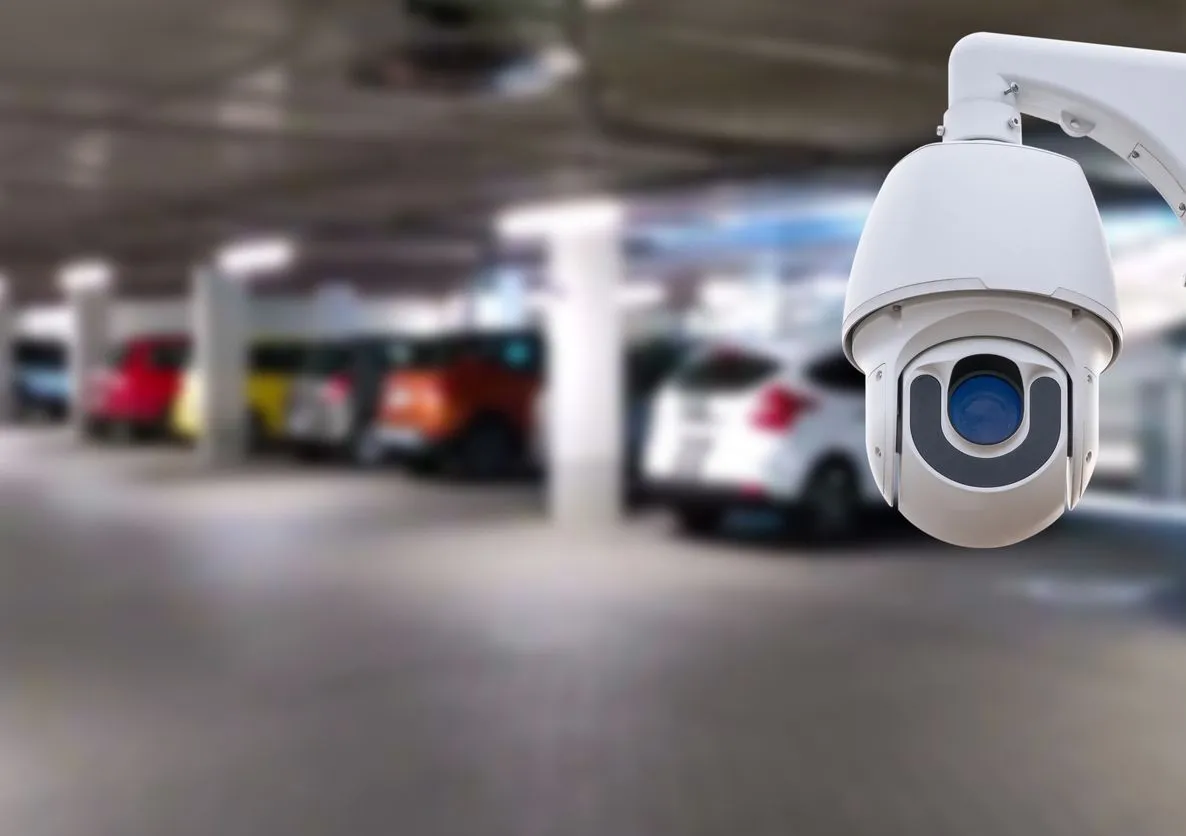
Object analytics need clear goals and realistic scene conditions.
Confirm that the selected platform actually recognizes the object types needed for the project.
Objects that are too small, obscured, poorly lit, or partially visible may be difficult to classify.
Define whether the goal is presence, movement, dwell time, unattended objects, removal, or another supported event.
Analytics may run in the camera, recorder, VMS, cloud platform, or dedicated server depending on the system.
Object detection often works alongside object tracking, unattended-object analytics, motion activation, and commercial video management.
Object detection adds classification and event context to security video so organizations can search and respond to more specific activity.
Basic motion detection tells a system that something changed in the image. Object detection adds more context by classifying supported objects or applying rules to how those objects appear and move within the scene.
This can support unattended-object alerts, removed-object monitoring, asset awareness, searchable event metadata, and related analytics depending on the manufacturer and software platform.
Camera Security Now helps organizations evaluate object-detection capabilities alongside camera placement, recording, storage, networking, remote access, and video management requirements.
Get answers to common questions about this security camera solution.
AI object detection uses video analytics to recognize supported object types in live or recorded footage and create events or metadata based on those detections.
No. Detection identifies that a supported object is present. Tracking follows a detected object as it moves through the scene.
Some commercial analytics platforms support unattended-object and removed-object rules. Availability and performance vary by manufacturer, scene, and configuration.
Sometimes. Analytics may be available through compatible cameras, recorders, VMS software, cloud platforms, or dedicated processing hardware.
Tell us what objects, assets, or events you need to monitor. We’ll help you evaluate compatible analytics and camera coverage.