
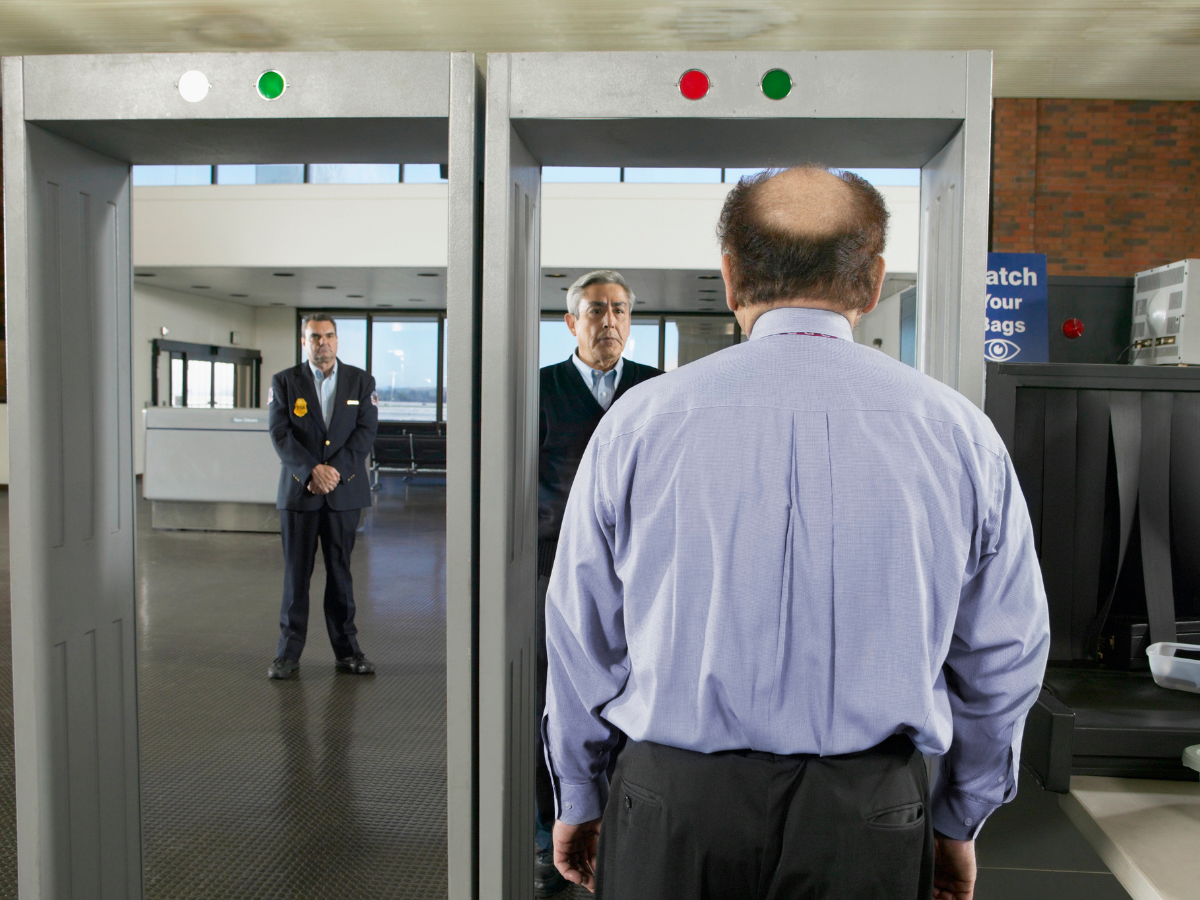
Purchase With Permanent Installation
Buy walk-through and handheld metal detectors and have them permanently installed for ongoing, everyday screening.
Commercial Metal Detector Screening
CAM helps government buildings, schools, healthcare facilities, businesses, venues, and event organizers rent or purchase walk-through and handheld metal detectors, with permanent installation for everyday screening and rentals for events and temporary needs.
Metal detectors are one part of a controlled entrance. They sit alongside doors, lobbies, turnstiles, staff entrances, and camera coverage, and they work best when they are planned as part of that whole picture.
A practical screening plan defines which entrances are screened, how the screening area is laid out, who staffs it, how alarms are resolved, and how the area is watched and secured. That matters whether screening happens every business day at a courthouse or city hall, or only on event days at a stadium or convention center.
CAM helps organizations choose the right path, purchase with permanent installation or rental, whether the need is a single lobby entrance, a multi-door facility, or screening across several buildings or locations. Screening is one layer of a broader security plan, not a guarantee on its own.
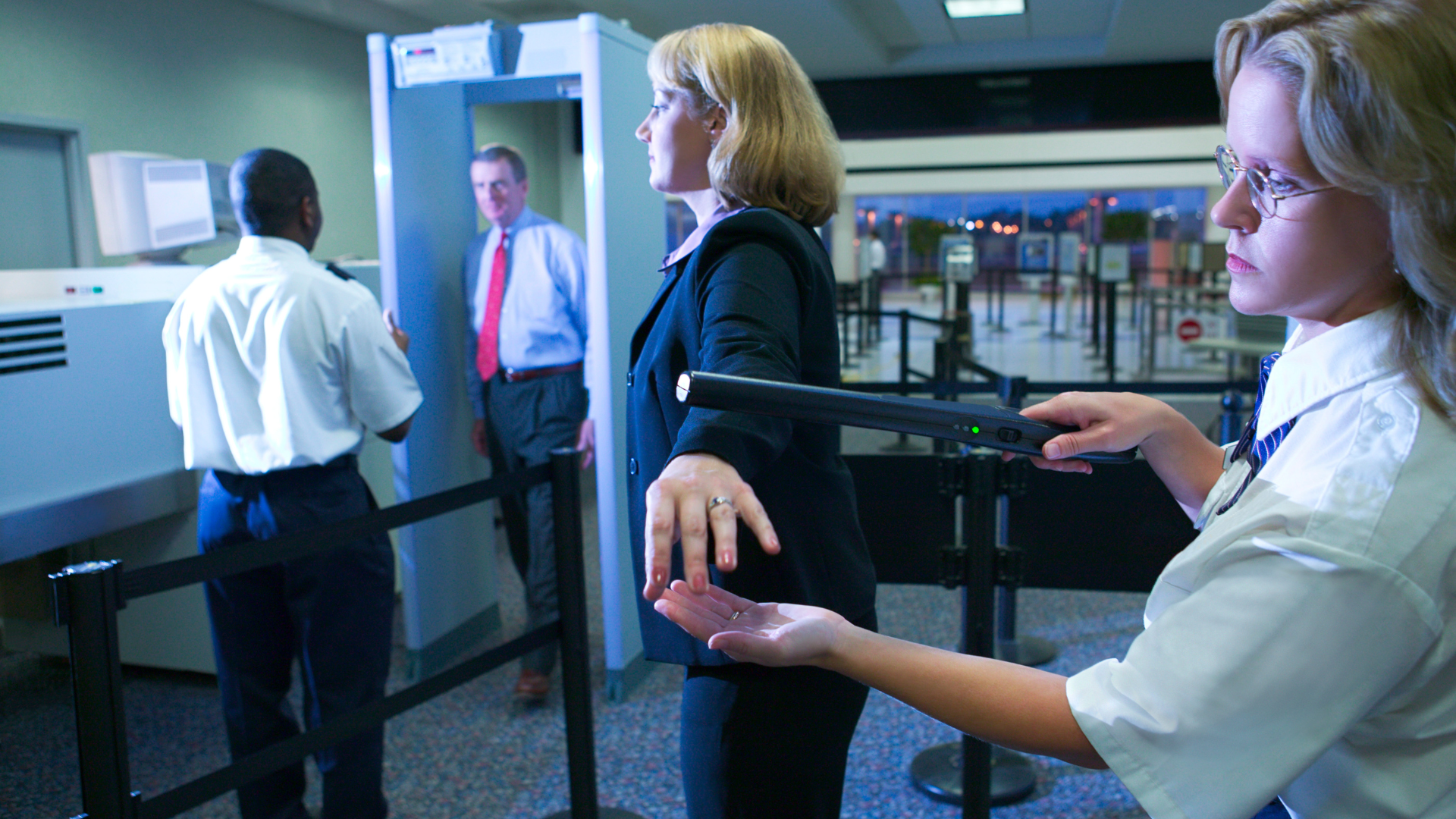
Planning detectors, cameras, and doors together creates a more manageable entry workflow than adding equipment on its own.
Buy and permanently install detectors for ongoing screening, or rent them for events, temporary needs, or to try screening before committing to a purchase.
Cameras and access control can help staff see the screening area, watch bypass points, and keep unscreened doors locked.
Lay out screening for the busiest arrival times, not the average, with clear roles for each position.
Start with how often you need to screen, which entrances matter most, and how screening should work with your cameras and doors.
Buy walk-through and handheld metal detectors and have them permanently installed for ongoing, everyday screening.
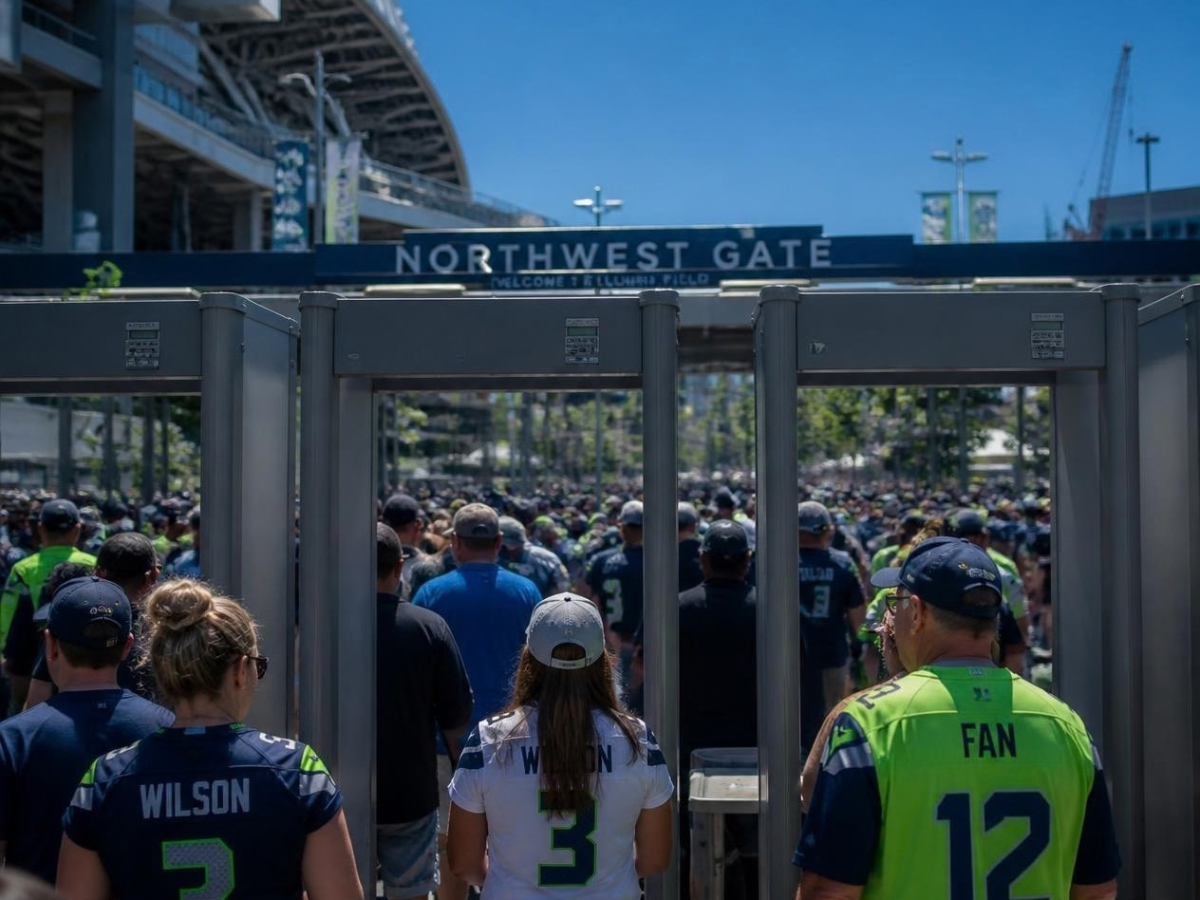
Rent walk-through and handheld metal detectors for events, temporary needs, or to try screening before buying. Delivery and setup details are confirmed with your quote.
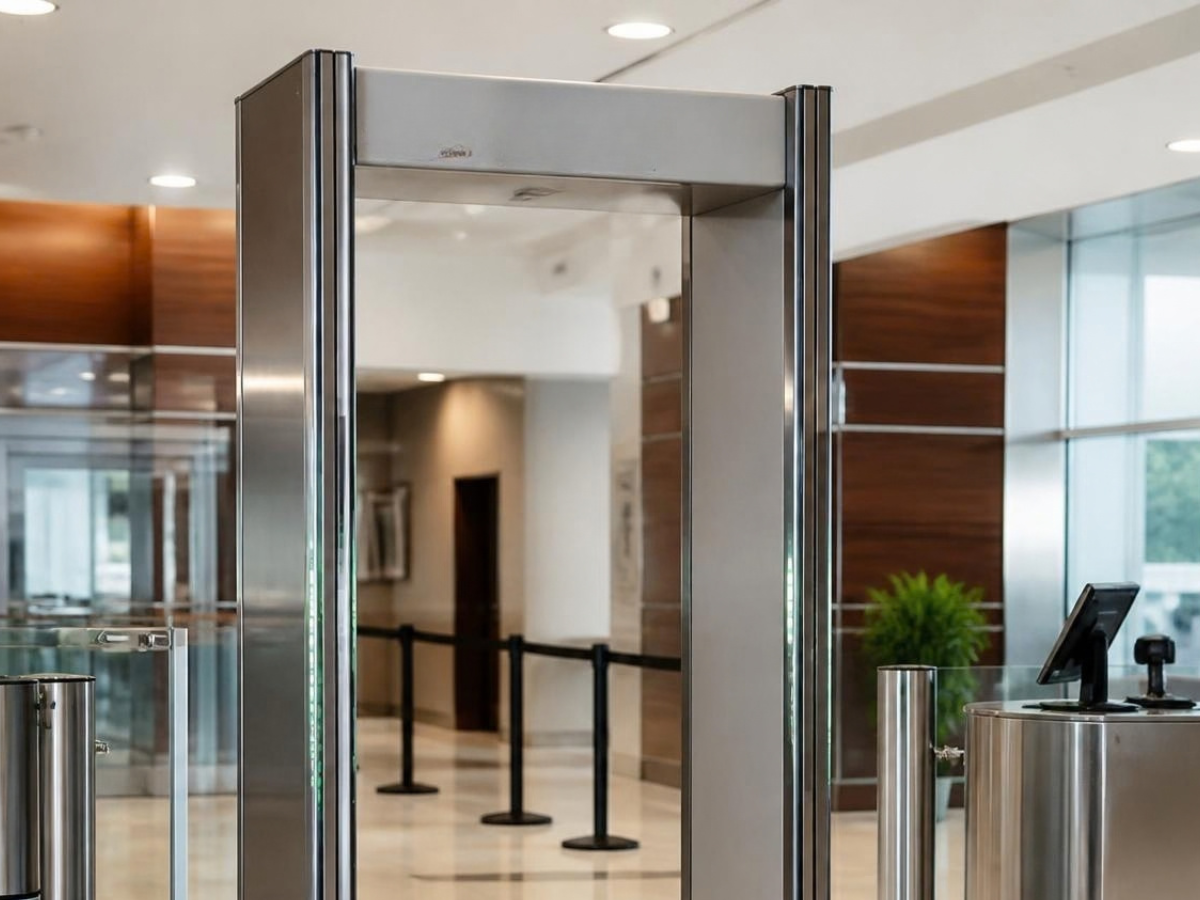
Primary screening at entrances where each person passes through the unit.

Secondary screening beside each walk-through and flexible coverage for lower-volume doors. A common pattern is to pair each walk-through lane with at least one handheld.
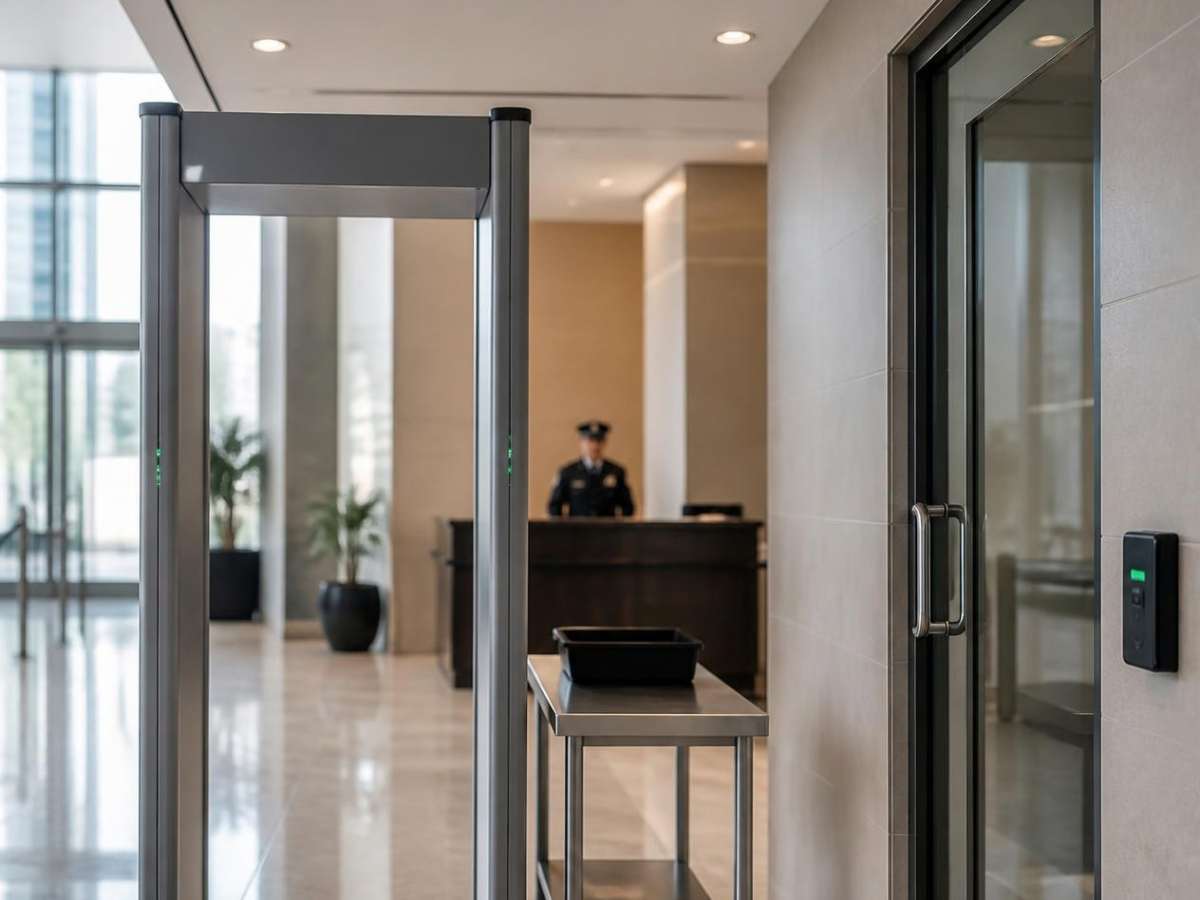
Camera coverage of the screening area and credentialed control of the doors around it.
Metal detection is not just about placing a unit at a door. It is about managing how people move from the entrance into the building or venue.
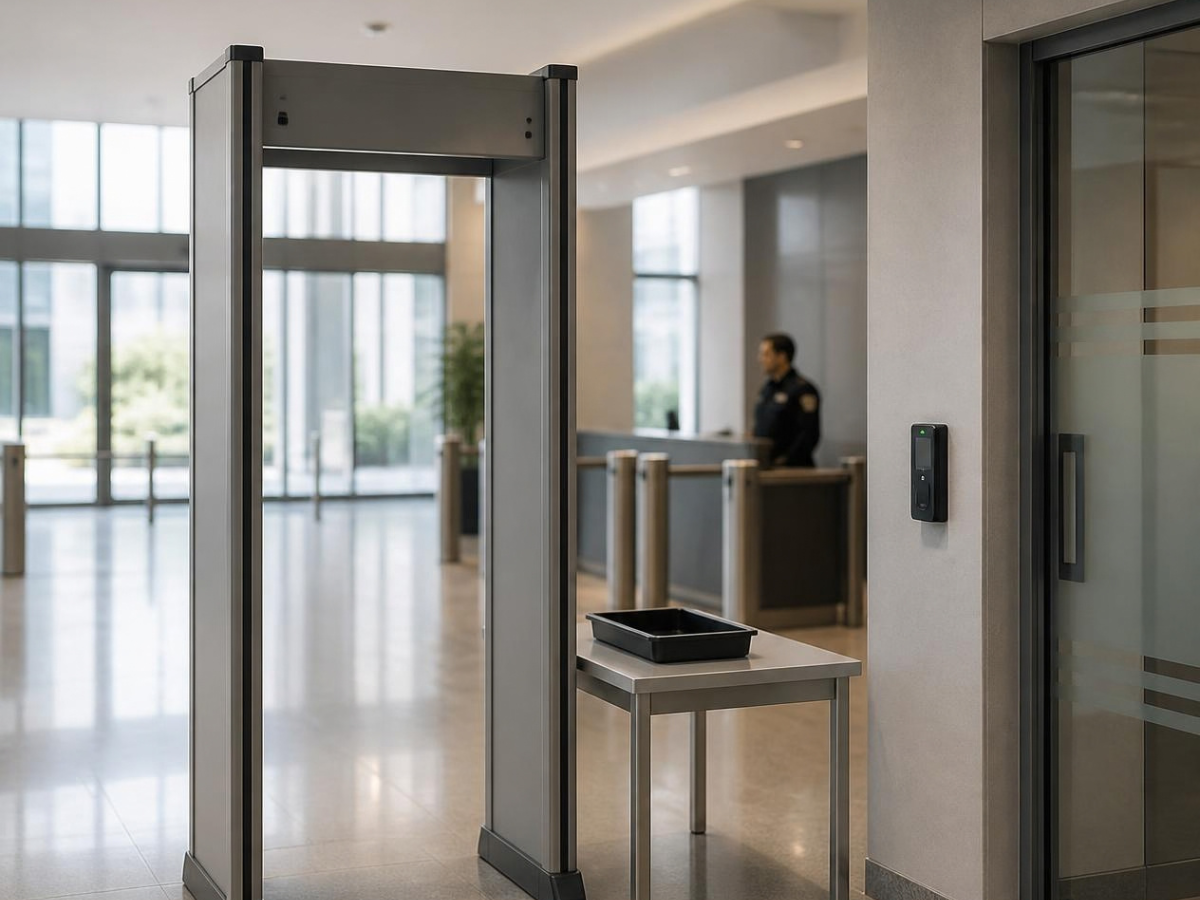
Walk-through screening with a divest area ahead of each unit and a clear line between unscreened and screened space.
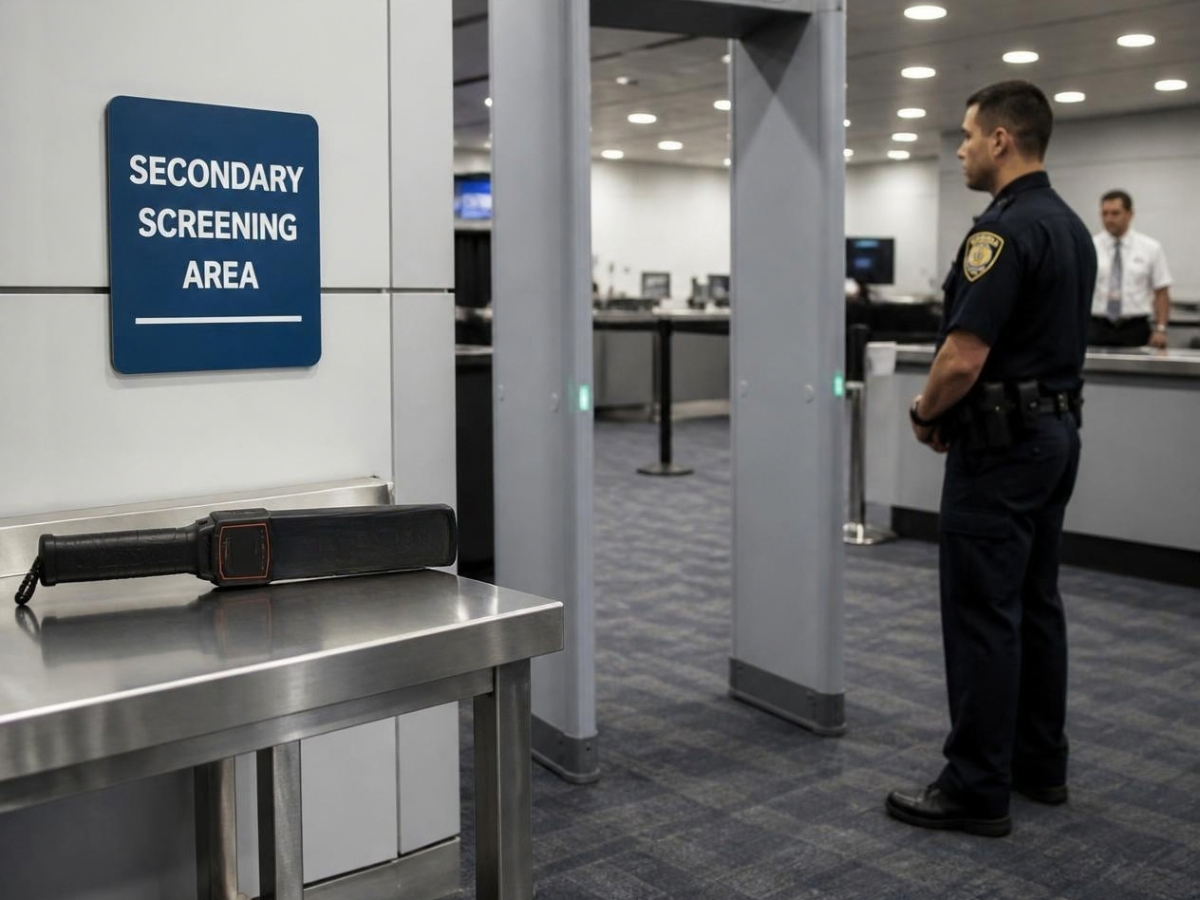
A space beside each lane for handheld checks: visible to supervisors, out of the main flow, and covered by cameras.
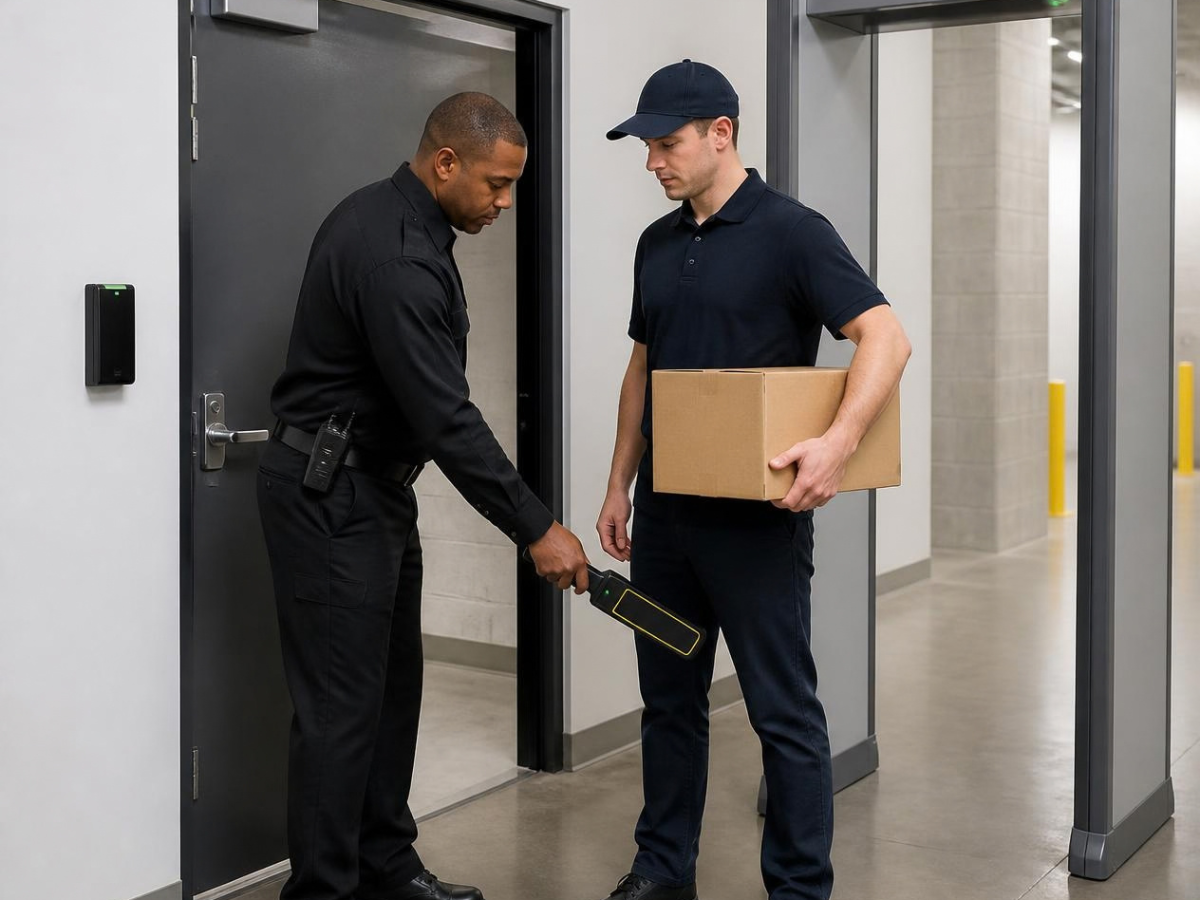
Credentialed doors with a clear policy on who is screened, supported by access control schedules.
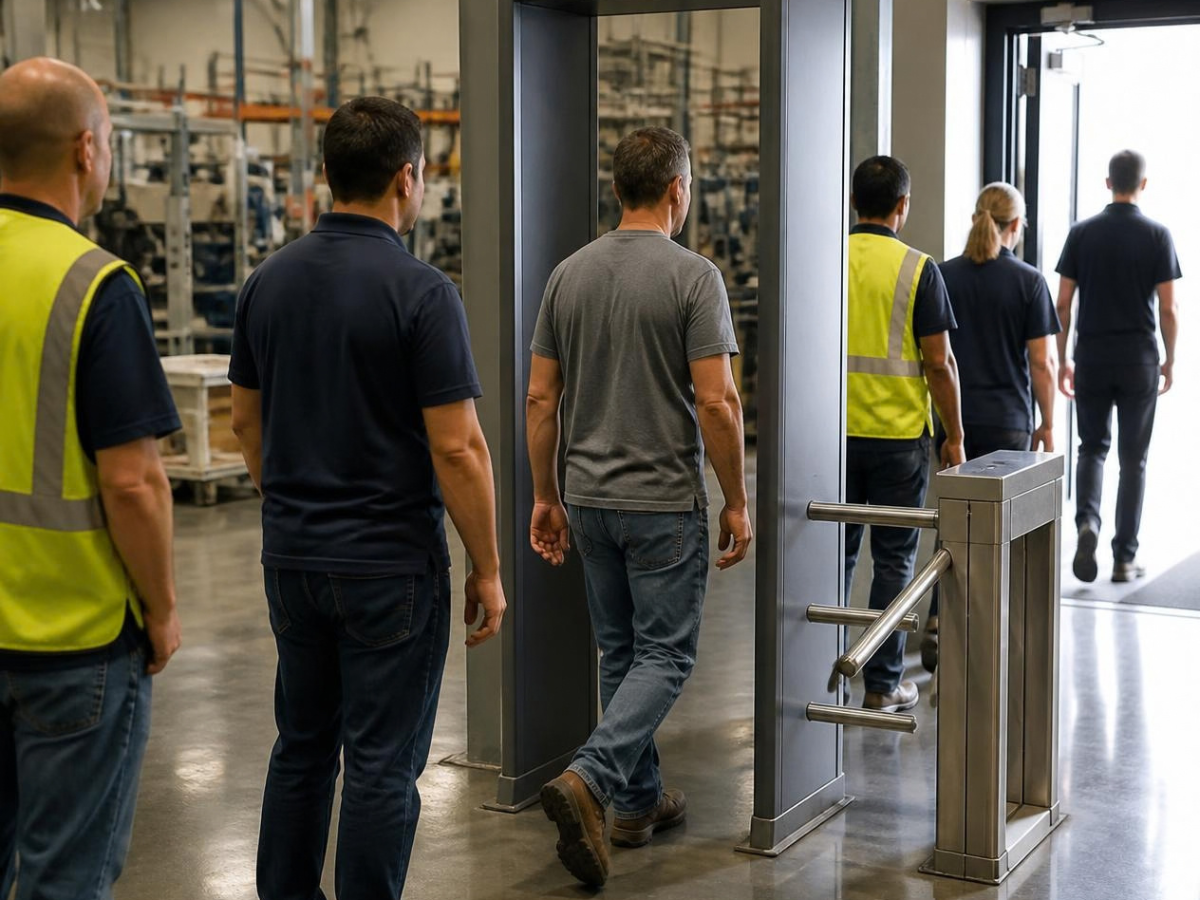
Screening at employee exits in manufacturing and distribution sites, planned with camera coverage of the exit area.
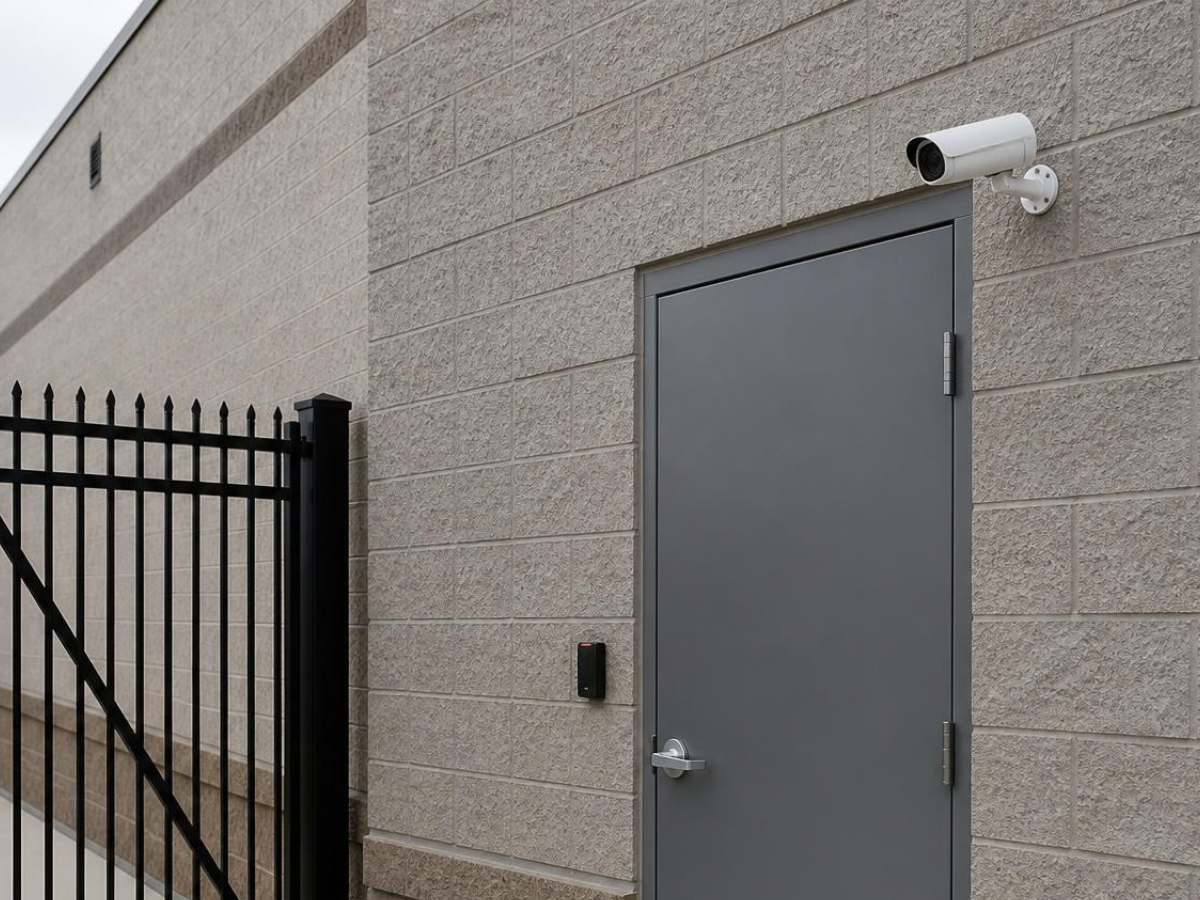
Side doors, service entrances, loading areas, and re-entry points can undermine a screening plan.
CAM's guide to camera placement mistakes that create blind spots covers common gaps.
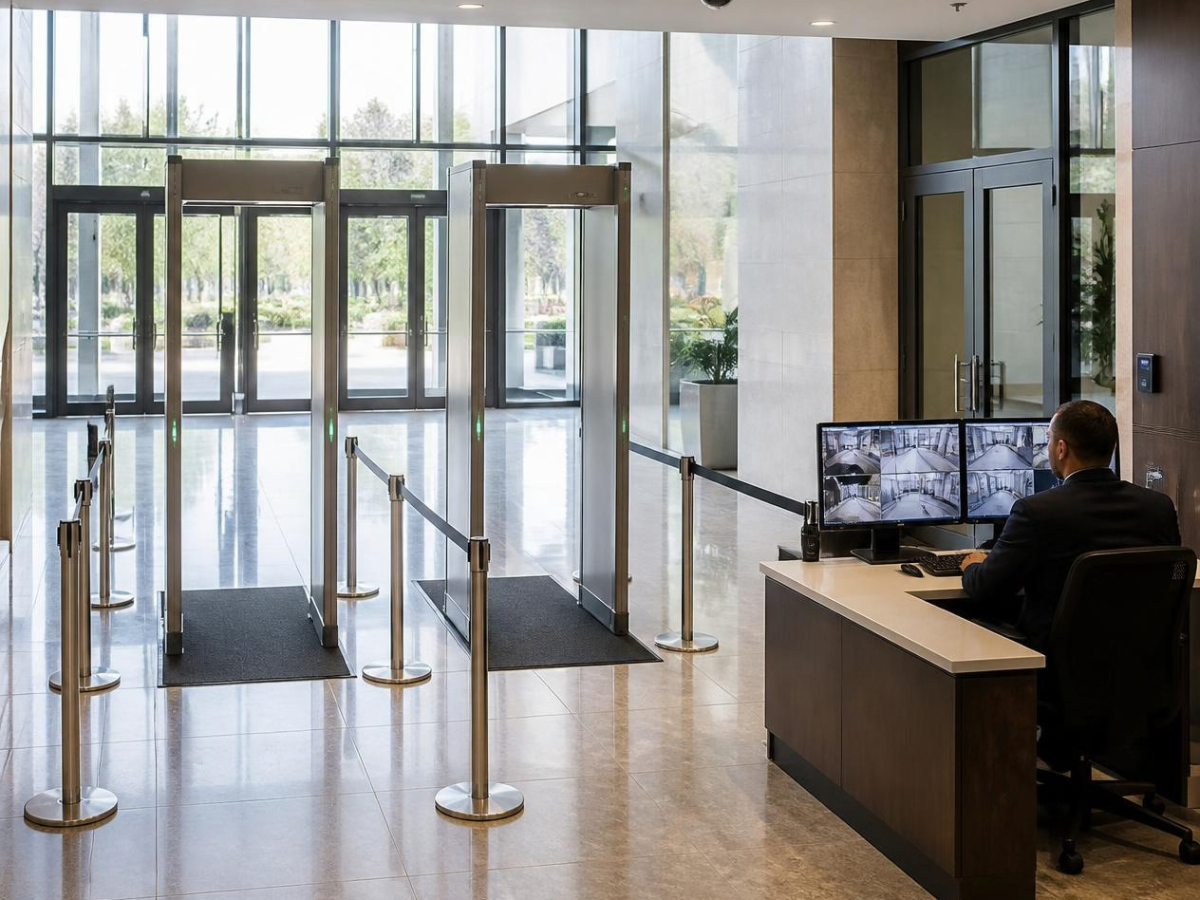
Pairing screening with camera views and door control lets teams review entry activity more clearly and adjust the layout over time.
Metal detector projects need more planning than choosing a unit.
Share the property type, the entrances that matter most, and whether screening is everyday or event-based.
We help you think through detector type, layout, staffing, camera coverage, door control, and who on your team should be involved.
You get a clearer path for the entrance instead of piecing it together as you go.
For purchased systems, we help align permanent installation with your cameras and access control through our nationwide installer network. For rentals, delivery and setup details are confirmed with your quote.
Metal detection is relevant anywhere an organization wants to screen people at a limited number of entrances.

Screen visitors at public entrances while keeping staff and secure areas on credentialed doors.
Explore Security Solutions →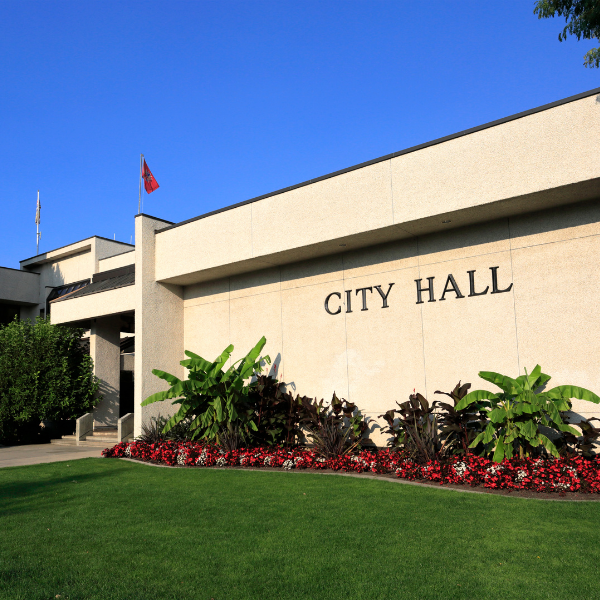
Support screening for public meetings, services, and events at a single, well-watched entrance.
Explore Security Solutions →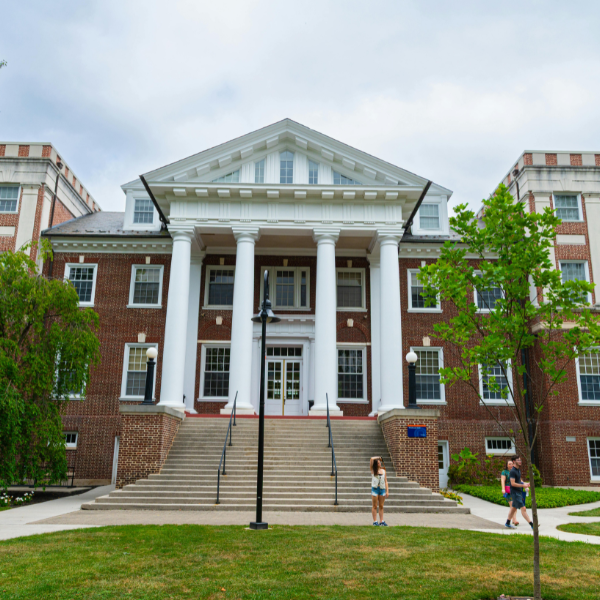
Plan screening at main entrances, athletic facilities, and event spaces alongside existing campus access control.
Explore Security Solutions →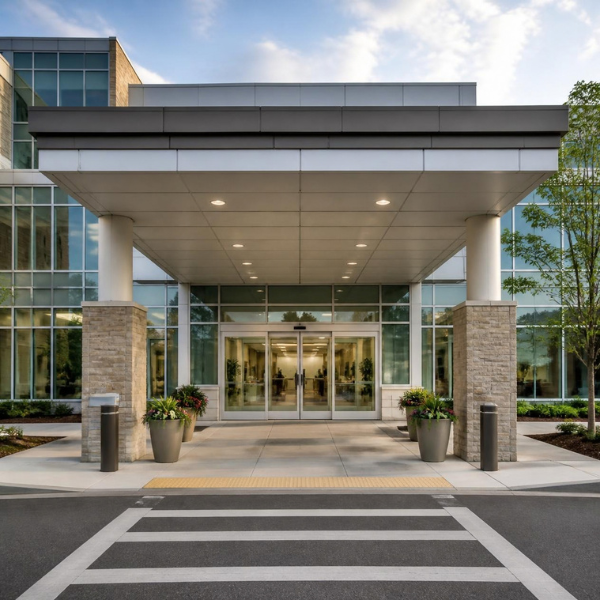
Screen at emergency department, visitor, or intake entrances while keeping staff-only areas credentialed.
Explore Security Solutions →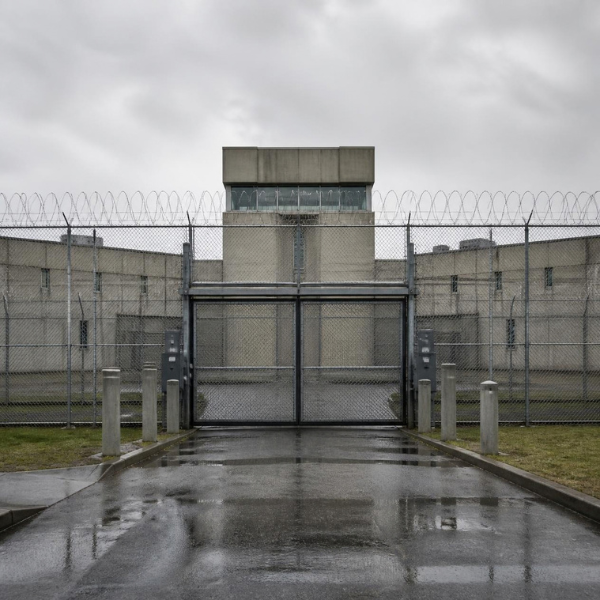
Screen staff, visitors, and deliveries at entry points, with camera coverage of screening positions.
Explore Security Solutions →
Add screening at lobbies and secure-area entrances as part of layered visitor and credential control.
Explore Security Solutions →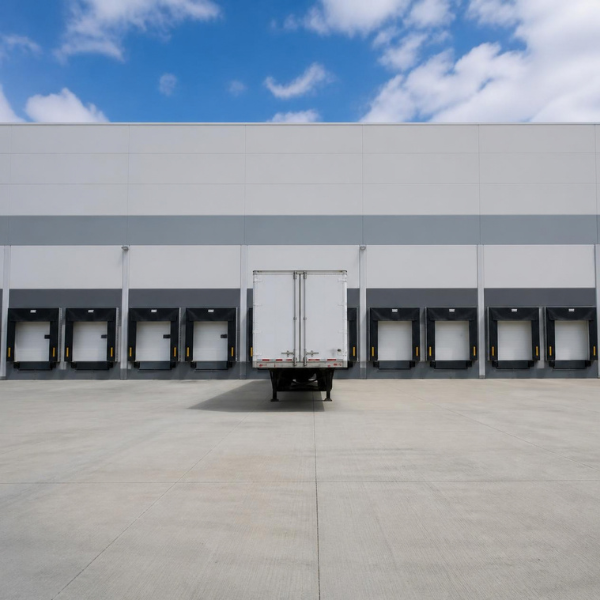
Use screening at employee entrances and exits as part of a loss-prevention program.
Explore Security Solutions →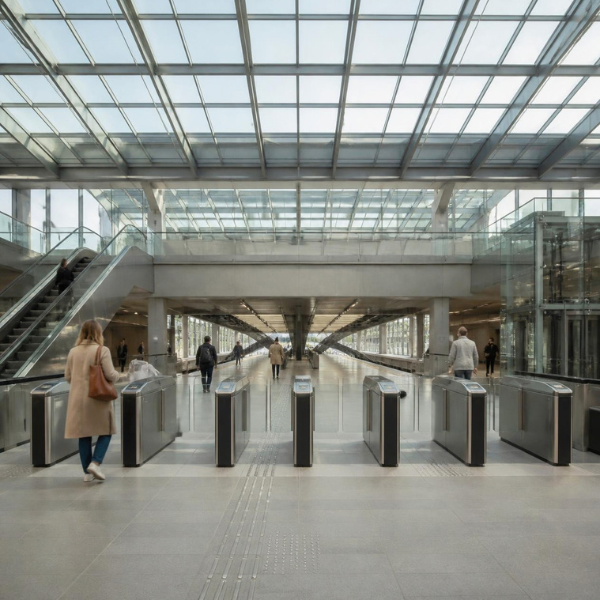
Screen at entrances to operations buildings, terminals, and support facilities with clear door control.
Explore Security Solutions →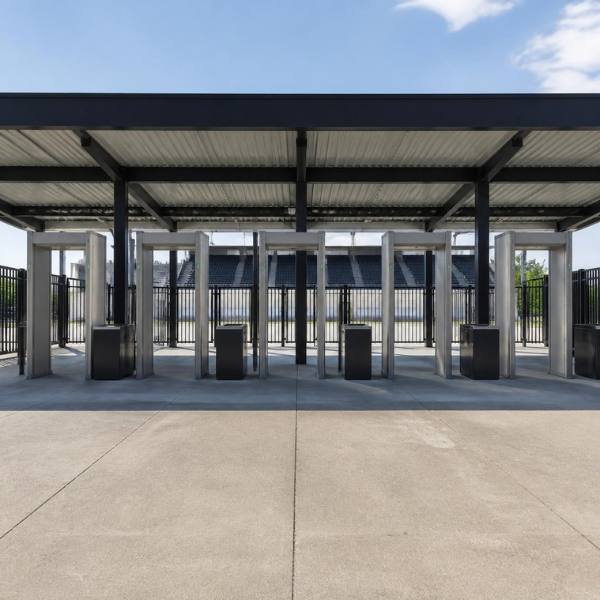
Install permanent screening at main gates, with cameras and access control covering re-entry and back-of-house doors.
Explore Security Solutions →
Screen at main entrances for services or large gatherings while keeping side doors controlled.

Screen at the door every night with handheld and walk-through units, backed by camera coverage of the entrance.
Explore Security Solutions →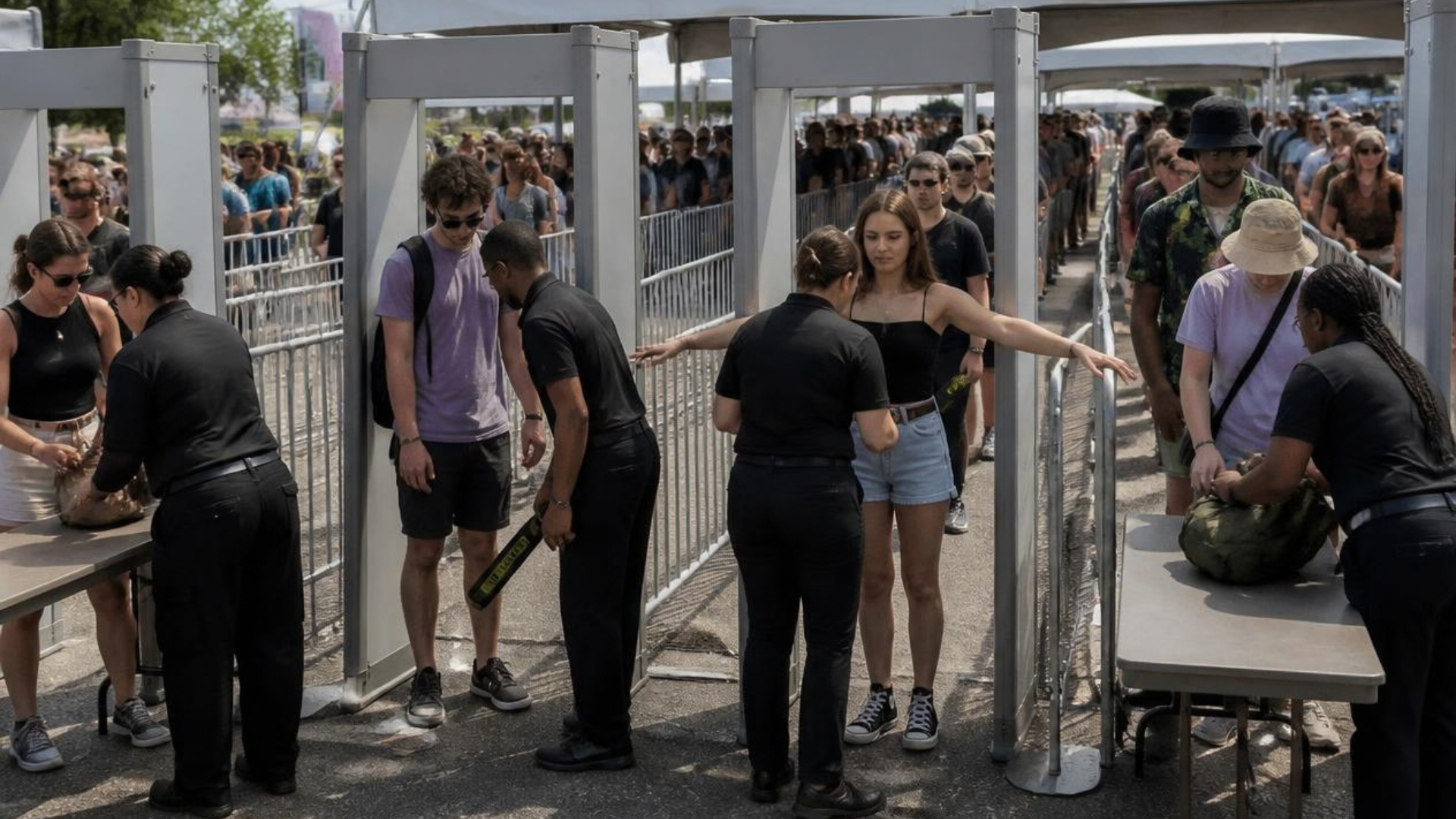
Screening works best when the plan reflects the building's real entrances, traffic, and staffing.
A courthouse, a school, a distribution center, and an arena will not have the same screening needs. Some need one permanently installed walk-through at a main lobby. Some need several screening points, credentialed staff doors, and camera coverage across multiple buildings. Others only screen on event days and are better served by rentals.
That is why the best decision usually starts with the environment: which entrances are screened, how often, where equipment fits, how bypass points are covered, and whether the existing camera system is ready. If it isn't, see our guide to upgrading an older camera system, and review our NDAA compliance post if your organization has procurement rules on manufacturers. Smaller venues face the same questions on tighter budgets, as our ballpark camera installation shows.
CAM has helped organizations plan and install commercial security cameras and access control since 1998, and helps buyers move toward metal detector screening, purchased or rented, that fits the real property instead of generic assumptions.
Common questions from organizations planning metal detector screening, cameras, and access control.
Yes. CAM offers both. Purchase with permanent installation suits ongoing, everyday screening; rentals suit events, temporary needs, or trying screening before you buy.
If you screen regularly, such as every business day or every event at the same venue, purchase with permanent installation is usually worth evaluating. If screening is occasional or temporary, a rental is often the simpler path. We can help you talk through the project.
Yes. CAM helps with permanent installations wherever they're needed, such as government buildings, and can plan them together with cameras and access control through our nationwide installer network.
Walk-through detectors handle primary screening for each person in a lane. Handheld detectors handle secondary screening, such as resolving alarms, screening people who can't use a walk-through, and covering low-volume staff or vendor doors. Most plans use both.
Yes. CAM plans and installs commercial security cameras and access control, including coverage of screening areas, bypass points, and non-public doors.
No single measure can promise that. Screening is one layer in a broader plan that includes staffing, access control, camera coverage, and coordination with local public safety.
Tell us about your building or venue, your entrances, how often you need to screen, and how screening should work with your cameras and doors. We'll help you talk through the project, rent or purchase, and who needs to be involved.
146 N Breiel Blvd, Middletown, OH 45042