
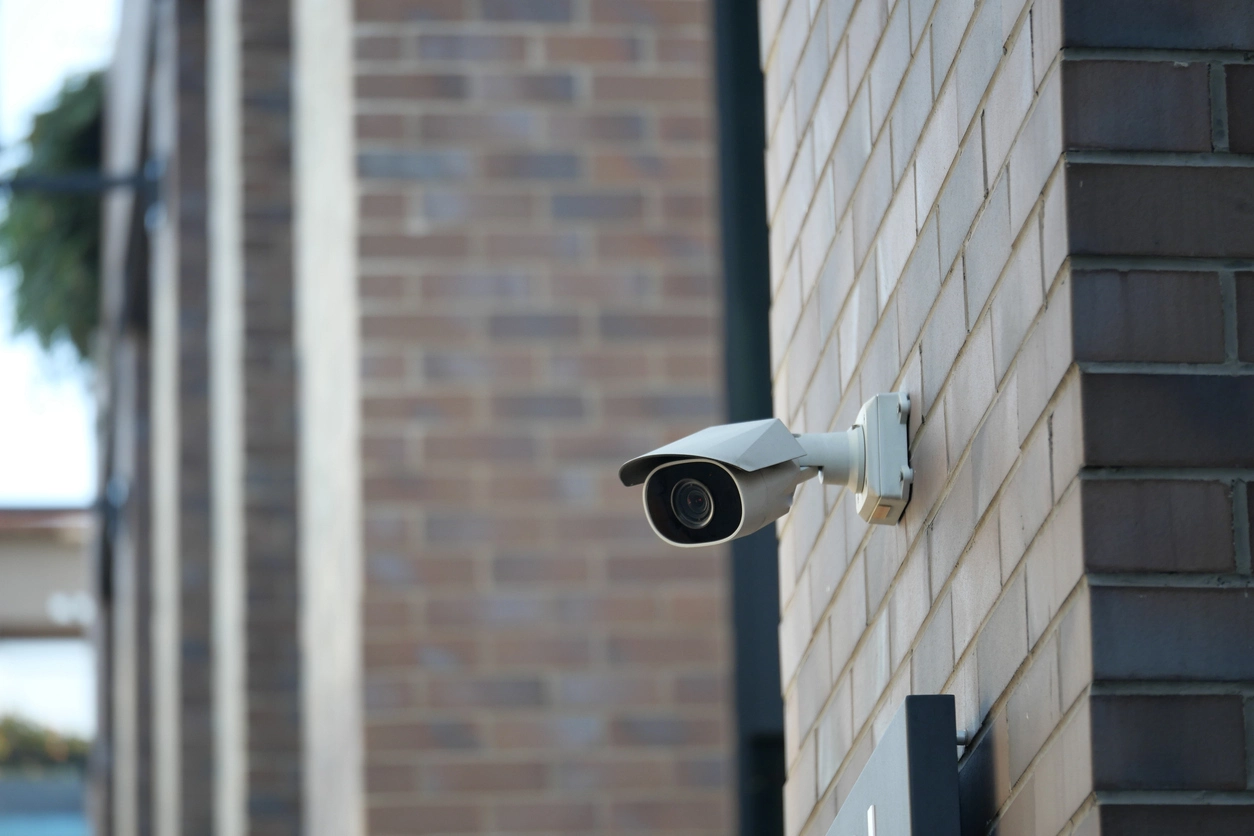
Restricted Commercial Entrances
Evaluate biometric verification as part of controlled access to staff-only, high-security, or sensitive areas.
Biometric Video Identification
Camera Security Now helps organizations evaluate facial recognition as a specialized biometric security capability for selected access, identity verification, investigation, and alerting workflows.
Facial recognition is different from ordinary person detection. Person detection can identify that a person is present, while facial recognition attempts to compare visible facial features with enrolled identity records or configured watchlists.
That can support selected commercial workflows such as controlled employee access, identity verification, restricted facilities, or investigative review, but it also introduces significant privacy, legal, security, and governance responsibilities.
Camera Security Now helps organizations evaluate the camera coverage and system integration required for compatible facial-recognition platforms while keeping accuracy, human review, privacy obligations, and acceptable-use policies part of the design conversation.
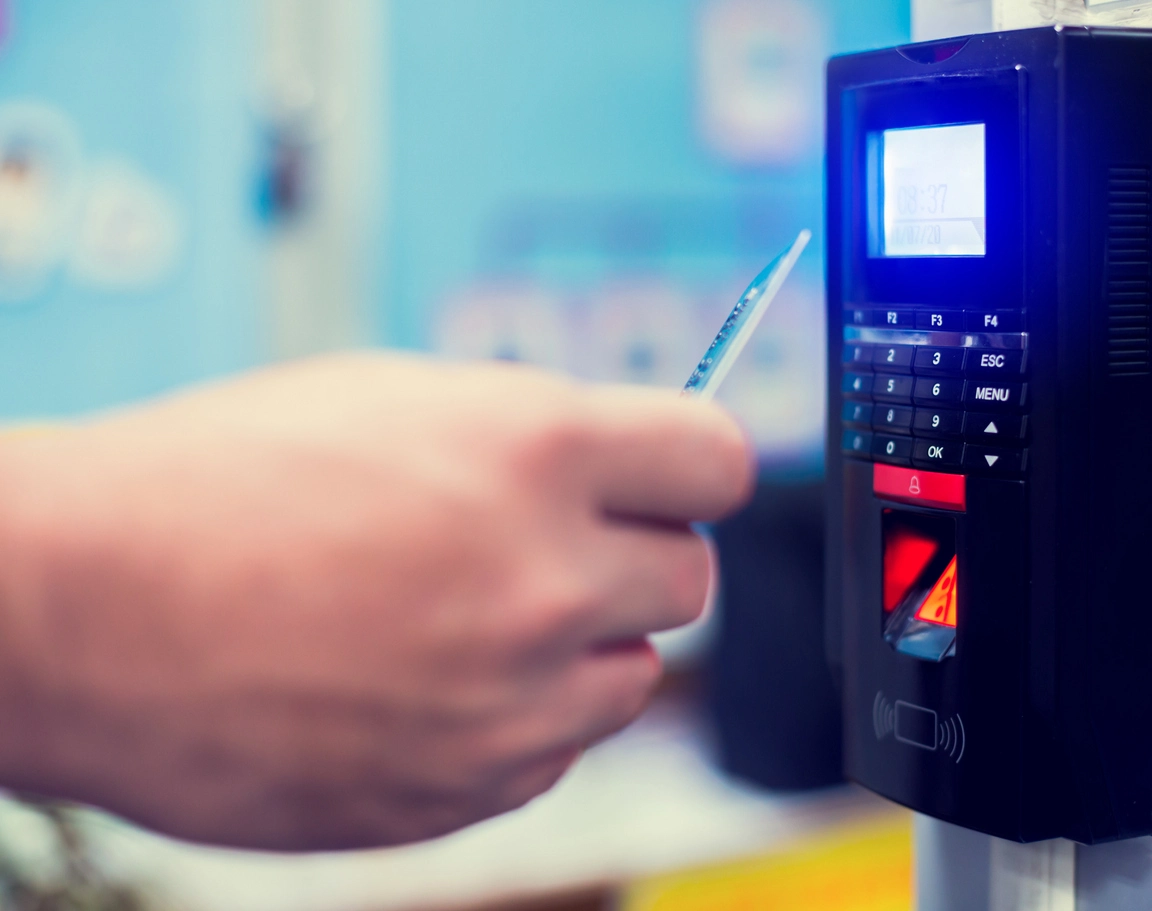
Facial recognition is best suited to narrowly defined workflows where identity matching serves a legitimate security or access-control purpose.
Some systems can use enrolled identities as one factor in employee or restricted-area access workflows.
Compatible platforms may help authorized staff confirm whether a visible face matches an enrolled identity record.
Selected systems may support searches or alerts based on enrolled lists, subject to policy, legal requirements, and human review.
Use cases should be narrowly scoped, documented, and appropriate for the legal and operational environment.
Evaluate biometric verification as part of controlled access to staff-only, high-security, or sensitive areas.
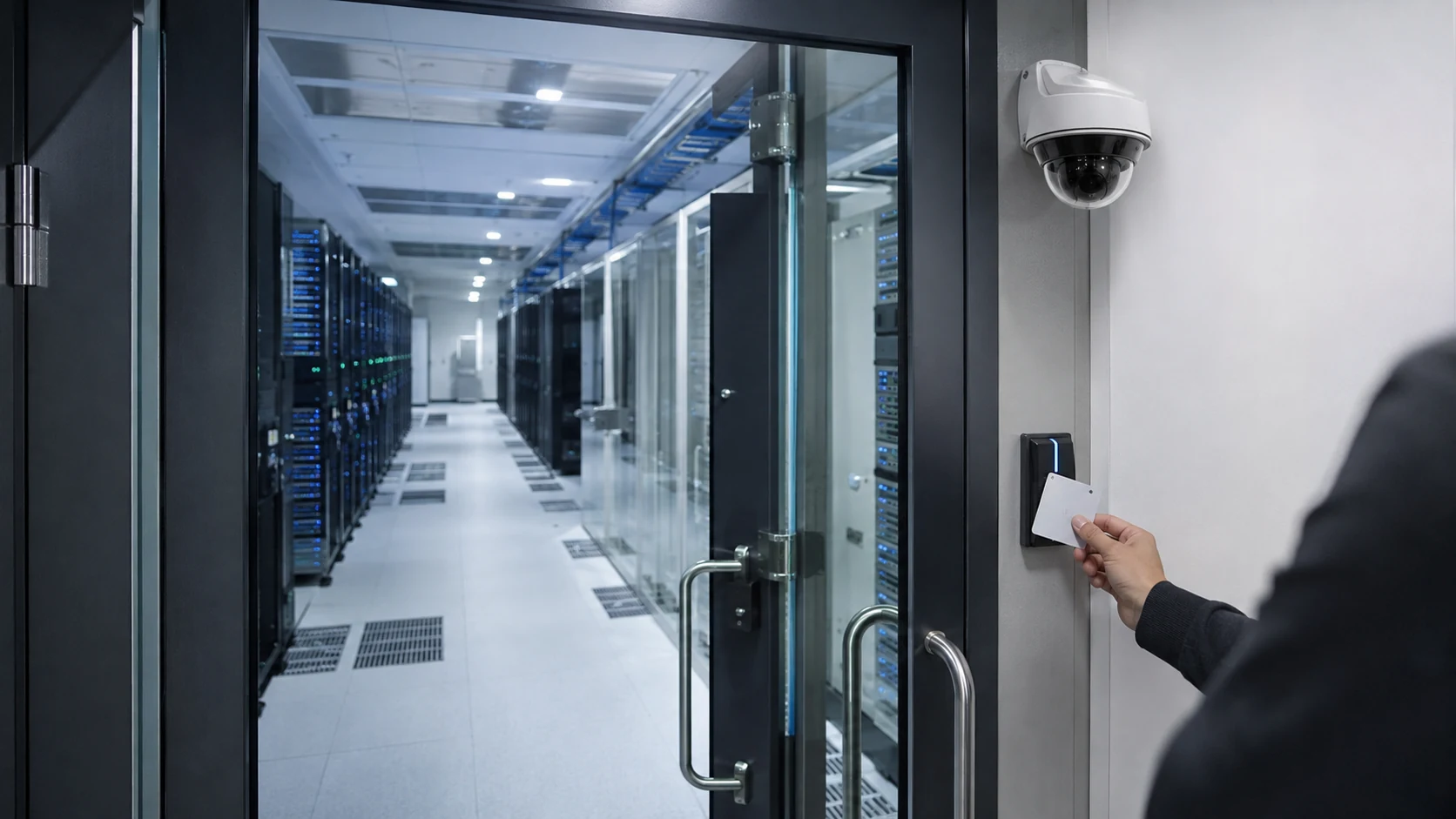
Consider additional identity-verification layers around controlled entrances where strong access governance is required.
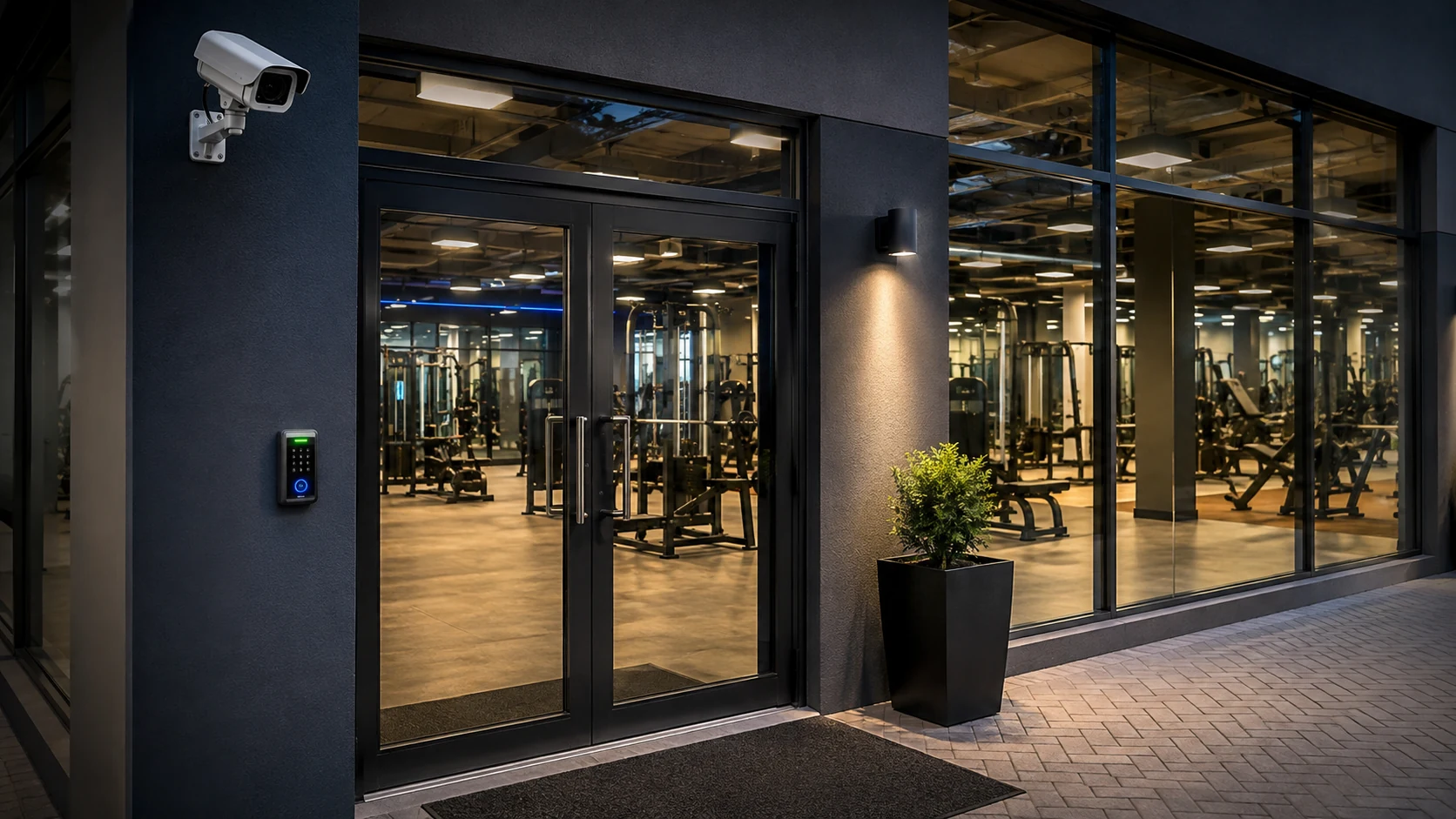
Use compatible identity workflows at controlled entrances where employees or members access a facility outside normal staffed hours.
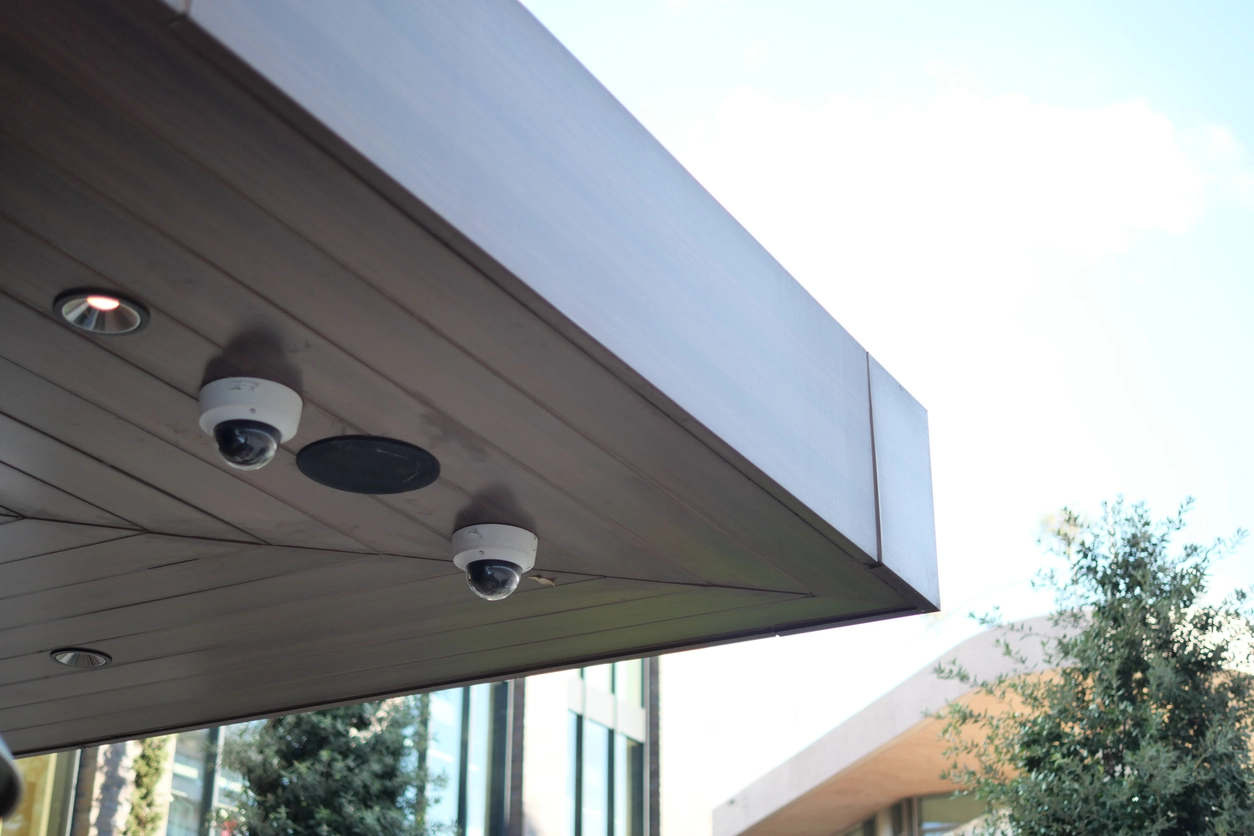
Evaluate narrowly scoped biometric access or review workflows where policy, law, and security requirements support the use case.
Planning Considerations
Detecting a face in an image is a different task from identifying whose face it is.
A camera or analytics platform may detect that a face is visible without attempting to identify the person. Facial recognition adds a biometric comparison step against enrolled templates or identity records.
Because that comparison involves biometric data, organizations should apply stronger governance than they would for ordinary motion, person, vehicle, or object analytics. That includes limiting access, defining retention, securing enrollment data, documenting purpose, and maintaining human review for consequential decisions.

A technically compatible system is only one part of a responsible facial-recognition deployment.
Biometric privacy, consent, notice, employment, surveillance, and sector-specific requirements can vary by jurisdiction and use case.
Face size, angle, lighting, motion, occlusion, camera placement, and environmental conditions affect match quality.
Organizations should understand false-match and false-nonmatch risks and avoid treating an automated match as unquestionable proof.
Define enrollment, storage, security, retention, access, deletion, auditing, and acceptable-use procedures before deployment.
Facial recognition may be evaluated alongside person detection, access control, centralized management, remote access, and broader AI video analytics.
Facial recognition can add identity matching to selected commercial security workflows, but it requires more governance than general video analytics.
Commercial facial recognition systems compare facial features visible in compatible camera footage with enrolled biometric templates or configured identity records. The technology may be used for controlled access, identity verification, selected investigations, or alert workflows where the organization has a legitimate and lawful reason to perform identity matching.
Real-world performance depends on the camera view and the analytics platform. Lighting, face angle, distance, motion, occlusion, masks, hats, image quality, demographic performance differences, and enrollment quality can affect matching results.
Organizations considering facial recognition should evaluate legal requirements and biometric-data governance before deployment. Camera Security Now can help plan the surveillance, access-control, recording, networking, and integration portions of a compatible commercial system while the customer addresses applicable legal, privacy, and policy obligations.
Get answers to common questions about this security camera solution.
Facial recognition is a biometric analytics capability that compares facial features captured by a compatible camera with enrolled identity records or configured watchlists.
No. Person detection identifies that a person is present. Facial recognition attempts to associate a visible face with an enrolled identity record or watchlist entry.
Potential uses include controlled employee access, restricted facilities, identity verification, selected investigative workflows, and alerting based on enrolled lists, subject to applicable laws, policies, and platform capabilities.
Organizations should evaluate applicable biometric privacy laws, consent and notice requirements, data retention, access controls, accuracy, bias testing, security of biometric data, human review, and documented acceptable-use policies.
Tell us about the access, identity, or investigation workflow you are considering. We’ll help you evaluate compatible cameras and system architecture while keeping privacy, governance, and human review requirements in view.