
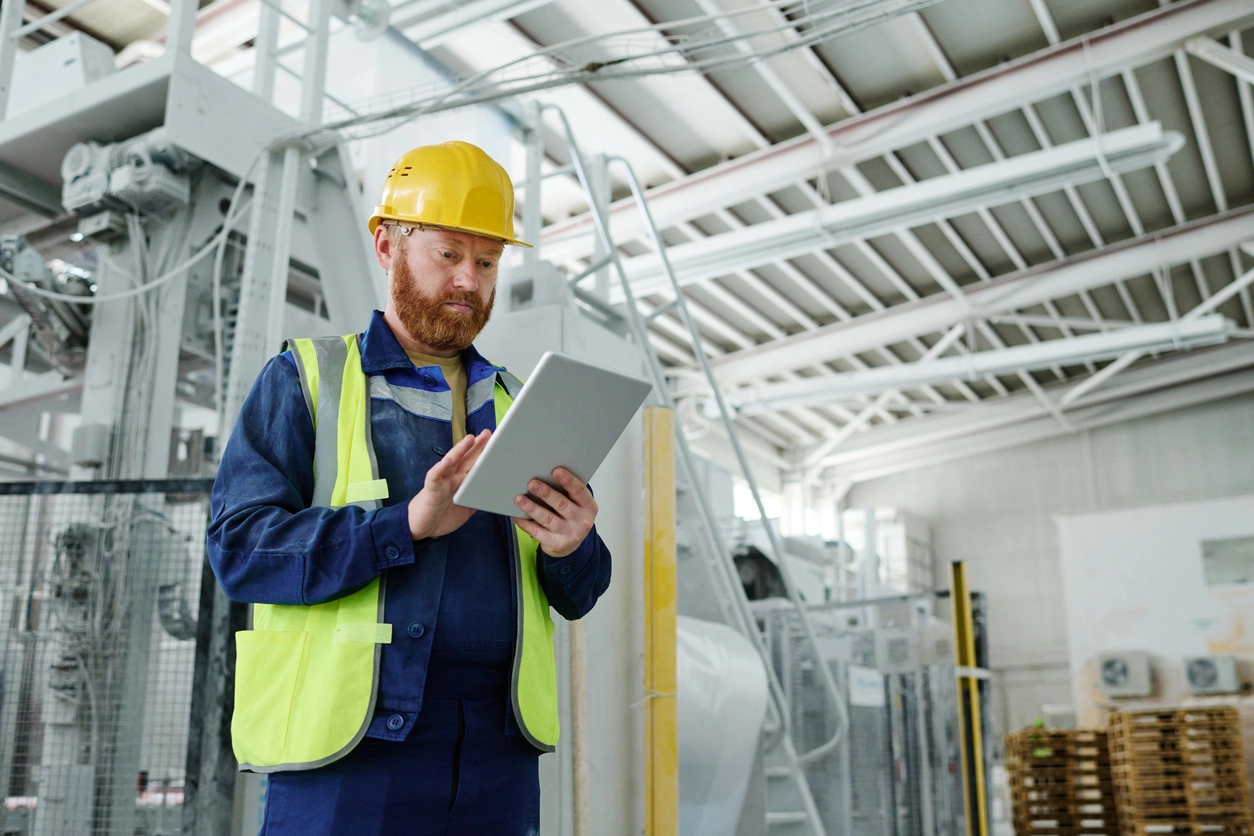
Industrial Work Areas
Use video to support review of potential falls and safety events around active production zones.
AI-Assisted Fall Detection
Camera Security Now helps organizations evaluate video analytics that may identify supported fall-like events and create alerts or searchable incidents for authorized review.
Some AI video analytics platforms can identify body-position changes or motion patterns associated with a possible fall and create an event for review.
Fall detection may support workplace safety, healthcare operations, industrial incident review, public-area monitoring, and other applications where faster awareness of a potential incident is useful.
The technology should be treated as an assistive alerting tool rather than a medical diagnosis or guarantee. Camera placement, visibility, occlusion, scene complexity, and platform capabilities all affect performance.
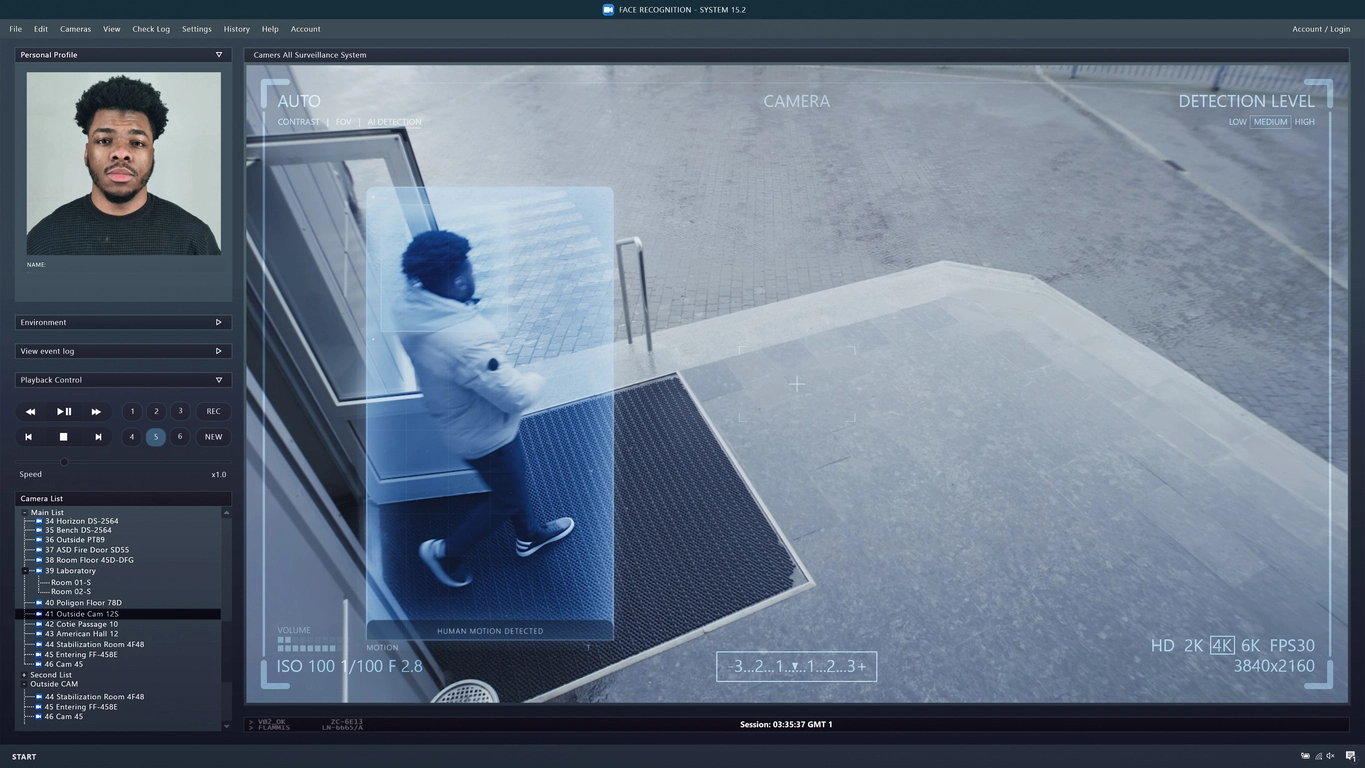
Fall-related analytics may help teams find and review potential incidents faster.
Supported systems may create an alert or event when a fall-like pattern is detected.
Recorded footage can help authorized teams understand what happened before, during, and after a potential incident.
Fall events may complement broader workplace or facility safety monitoring.
The value of fall analytics depends on camera visibility, privacy requirements, and the operating environment.
Use video to support review of potential falls and safety events around active production zones.
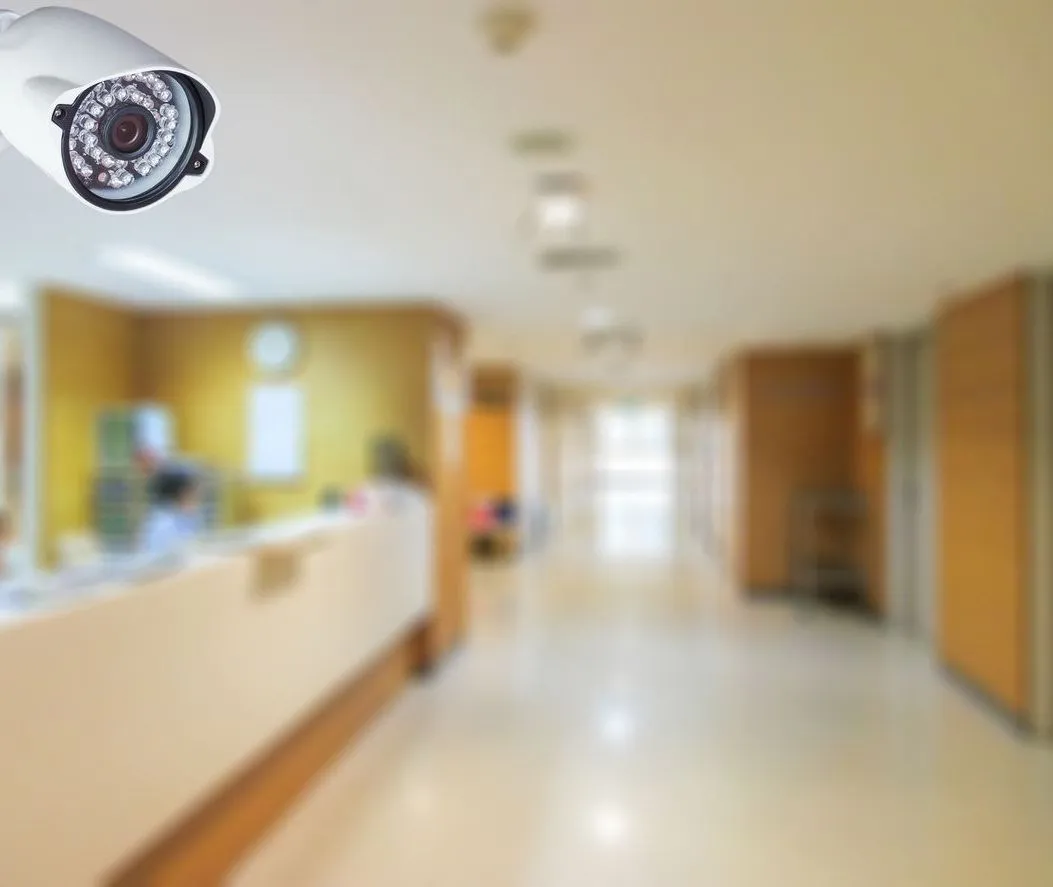
Evaluate supported analytics in appropriate public, operational, or non-private areas where incident awareness is useful.
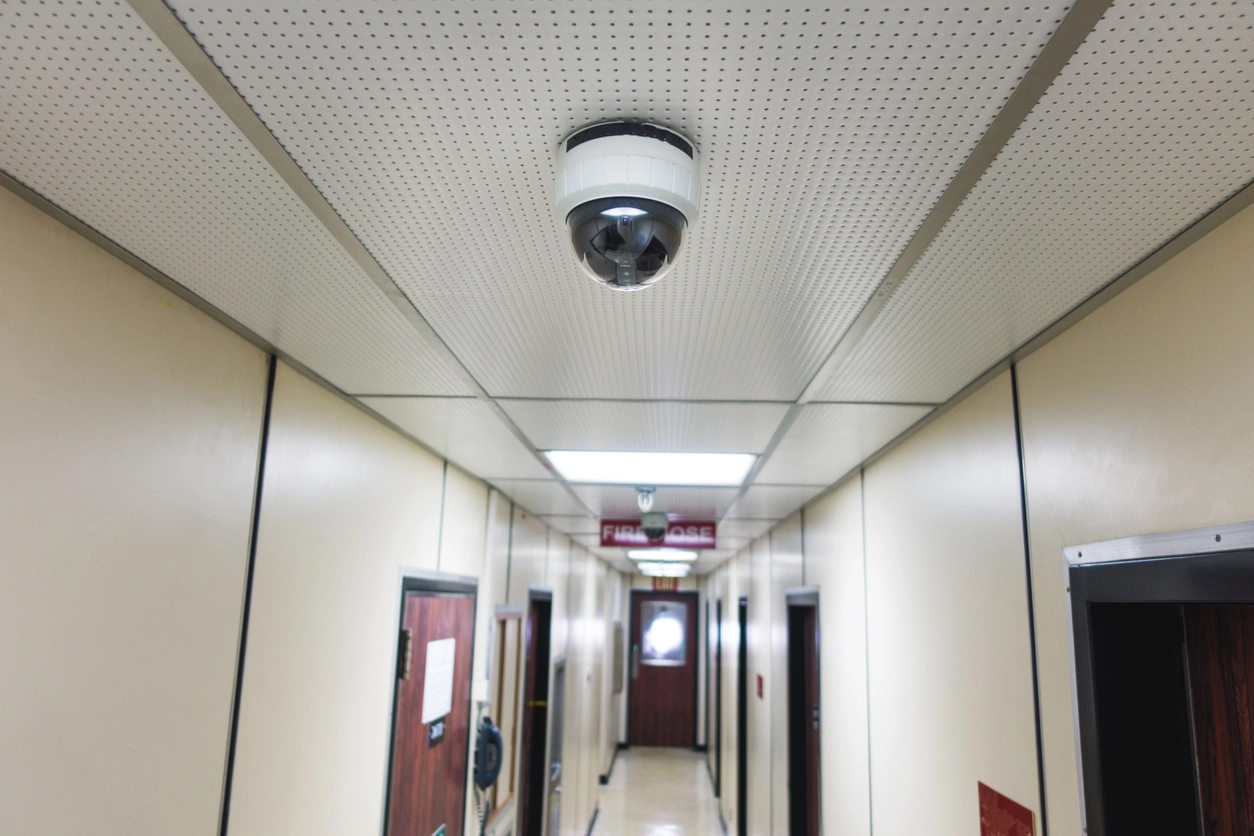
Monitor selected corridors, lobbies, or public areas where rapid incident review may help operations.
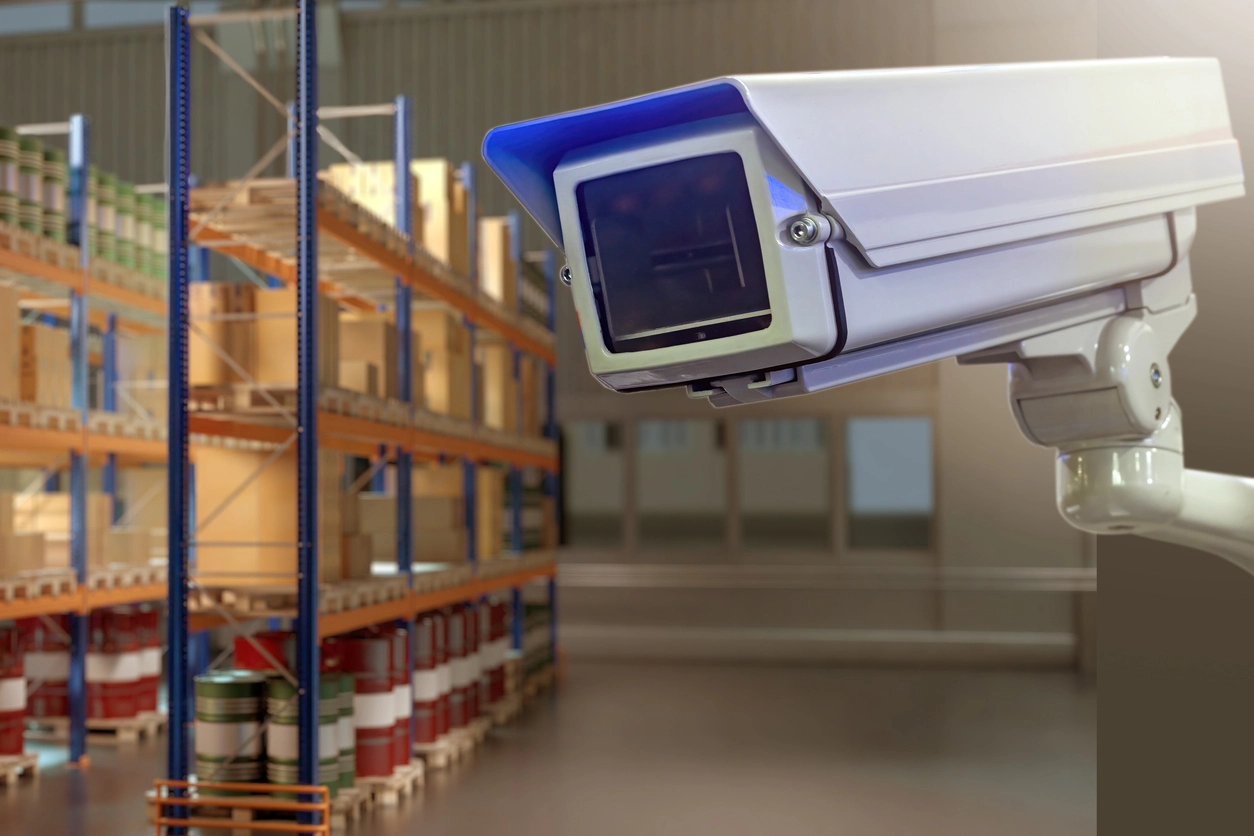
Support incident review around aisles, staging areas, and material-handling zones.
Planning Considerations
Analytics cannot reliably evaluate an event the camera cannot see.
Obstructions, shelving, machinery, crowds, furniture, poor lighting, distance, and unusual camera angles can limit the ability of a video system to recognize a fall-like event.
Organizations should also consider privacy, camera placement policies, response procedures, and whether the monitored area is appropriate for video surveillance.
Fall analytics should be evaluated as part of a broader safety and incident-response workflow.
The person must remain sufficiently visible in the scene for the analytics to evaluate body position and movement.
Crowds, machinery, furniture, shelving, and obstructions may affect detection.
Define who receives a potential fall event and how quickly it should be reviewed.
Use video only in appropriate areas and establish clear access, retention, and incident-review practices.
Fall detection may complement AI video analytics, remote access, incident review, person detection, and workplace-safety surveillance.
AI-assisted fall detection may help organizations identify and review possible fall events more quickly in appropriate monitored environments.
Fall detection uses video analytics to evaluate supported body-position and motion patterns. When the platform identifies a possible fall, it may create an alert, bookmark, or searchable event.
Performance depends heavily on the camera view and scene. A person obscured by shelving, equipment, furniture, or other people may not provide enough visual information for reliable analytics.
Camera Security Now helps organizations evaluate fall detection as one part of a broader camera, recording, safety, remote-monitoring, and incident-review strategy.
Get answers to common questions about this security camera solution.
AI fall detection is a video analytics capability that may identify supported body-position or movement patterns associated with a possible fall and create an event for review.
No. General security-camera analytics should not be treated as a medical diagnosis or a guarantee that every fall will be detected.
Potential applications include workplaces, industrial facilities, selected healthcare areas, public spaces, warehouses, and other environments where camera coverage is appropriate.
Yes. Shelving, machinery, furniture, crowds, poor lighting, distance, and difficult camera angles can reduce performance.
Tell us about the environment, camera coverage, and incident-response goals. We’ll help you evaluate realistic video analytics options.