

4K and High-Resolution Cameras
Reduce storage and bandwidth pressure created by higher-resolution streams while preserving the detail the system was selected to capture.
Efficient Surveillance Video Encoding
Camera Security Now helps businesses evaluate H.265/HEVC video compression as part of security camera, NVR, storage, bandwidth, and retention planning.
Security camera video must be compressed before it can be stored and transmitted efficiently. H.265, also called HEVC, is a video compression standard used by many modern IP cameras and recorders.
Compared with older H.264 implementations, H.265 can reduce the bitrate required for comparable video quality in many situations, which can help lower storage consumption and network bandwidth.
Actual savings vary by camera, scene complexity, resolution, frame rate, motion, encoder implementation, quality settings, and manufacturer-specific smart-codec features. H.265 should therefore be treated as one part of system sizing rather than a guaranteed fixed percentage of savings.
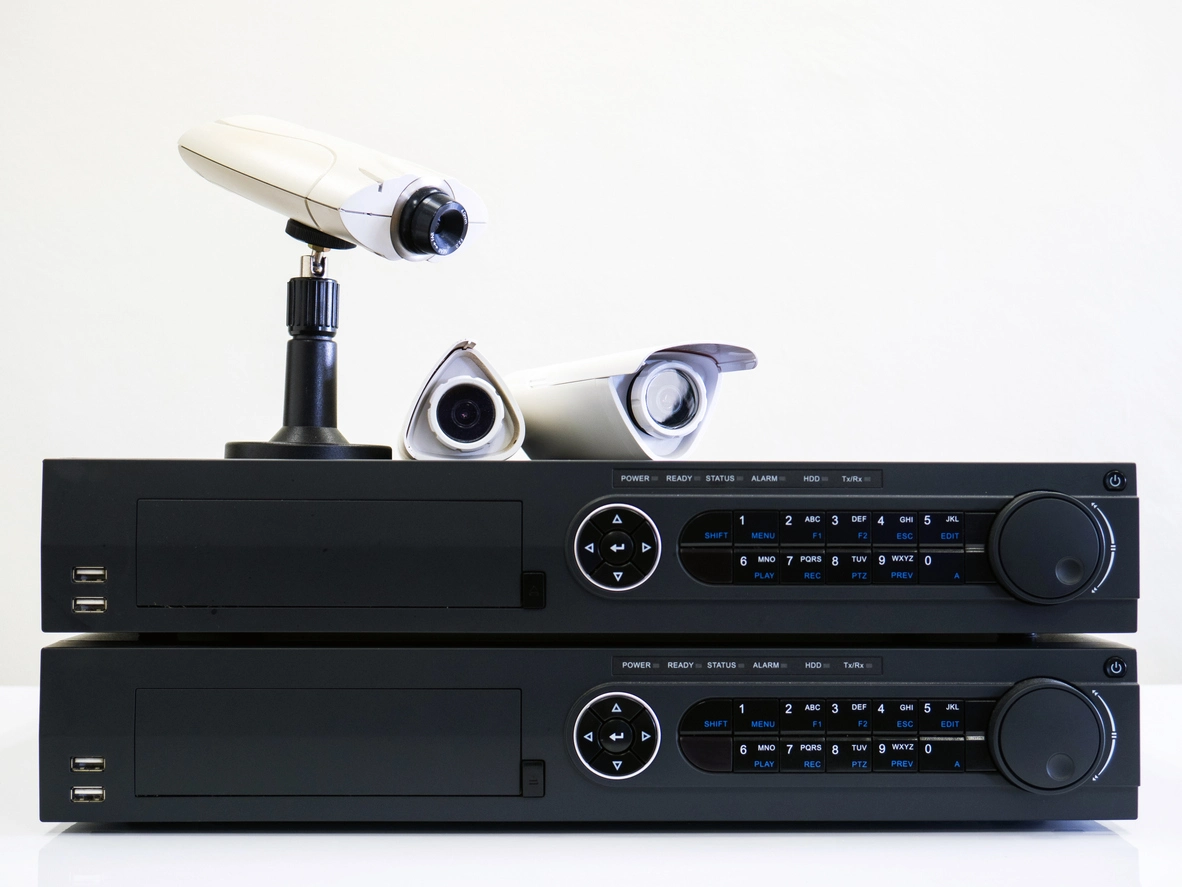
Efficient compression becomes more important as resolution, camera count, retention, and remote viewing requirements increase.
More efficient encoding can reduce the amount of storage required for a given recording configuration compared with less efficient codecs.
Lower bitrates can make high-resolution camera streams easier to transport across properly designed networks.
When storage capacity stays the same, more efficient compression may help keep footage available longer, depending on recording settings and scene activity.
Compression efficiency matters most when the system generates large amounts of video.
Reduce storage and bandwidth pressure created by higher-resolution streams while preserving the detail the system was selected to capture.
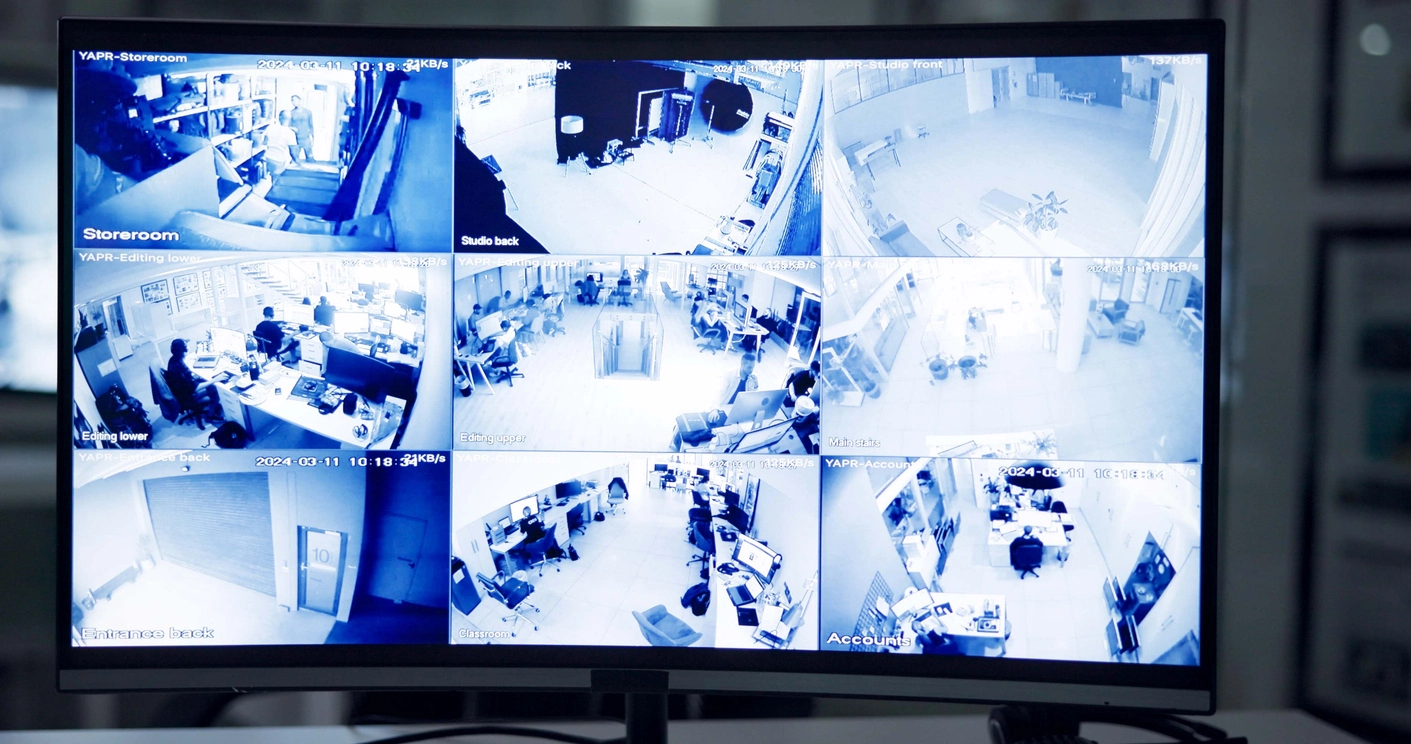
Use compatible cameras and recorders to make limited local storage capacity more efficient.

Improve storage and network efficiency when many cameras record across large facilities.

Include codec compatibility in larger NVR, server, VMS, remote-access, and long-retention architecture decisions.
Planning Considerations
A camera supporting H.265 is only useful if the rest of the system can receive, record, decode, search, export, and display that stream correctly.
Compatibility should be confirmed across the camera, NVR, VMS, client software, mobile app, browser, analytics workflow, export tools, and any third-party integrations. Older hardware or software may have limited H.265 support.
Scene complexity also matters. A quiet hallway can compress very differently from trees blowing in the wind, heavy rain, crowds, traffic, machinery, or other constant motion. Resolution, frame rate, bitrate mode, image noise, and analytics overlays can also affect storage use.
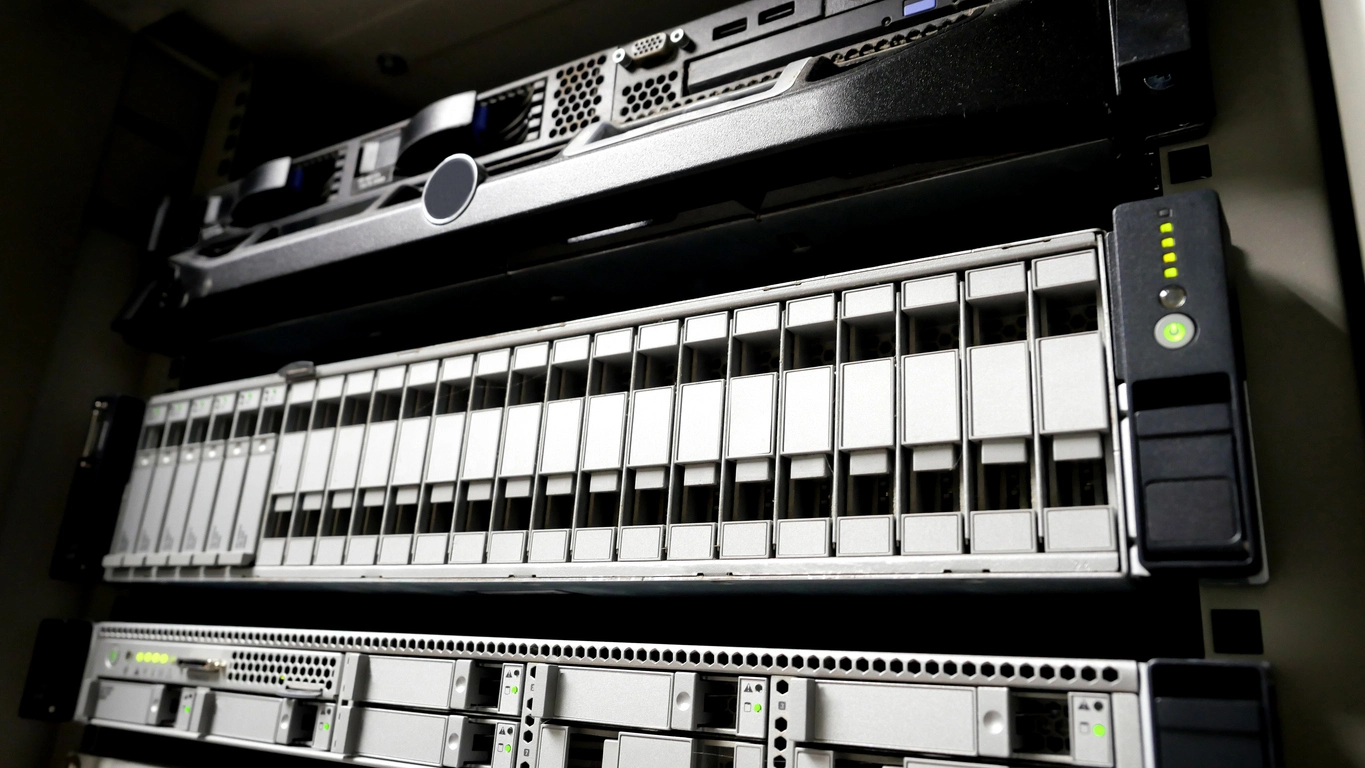
Codec selection should be made alongside camera resolution, recording quality, storage, bandwidth, retention, and playback requirements.
Confirm H.265 support on the exact cameras, NVRs, VMS platforms, clients, integrations, and export workflows.
Compression still requires sensible bitrate, frame rate, quality, GOP, and recording settings for the surveillance goal.
Decoding many H.265 streams may require capable viewing workstations, mobile devices, servers, or graphics hardware.
Use realistic scene activity and recording settings rather than assuming a fixed storage-savings percentage.
H.265 compression connects directly to megapixel and 4K cameras, NVRs, video storage, edge recording, VMS software, PoE networks, and remote access.
H.265 can help modern IP surveillance systems manage the storage and bandwidth demands created by high-resolution video.
Commercial camera systems produce continuous streams of video that must be encoded before they are stored or transmitted. H.265/HEVC is widely used in modern surveillance equipment because it can encode video more efficiently than older H.264 implementations in many scenarios.
The benefit becomes increasingly important with 4K cameras, larger camera counts, long retention requirements, remote viewing, and distributed systems. However, compression efficiency depends on the scene and settings, and every component in the video path needs appropriate codec support.
Camera Security Now helps organizations evaluate camera resolution, H.265 compatibility, NVR throughput, storage capacity, network bandwidth, remote access, and retention together instead of treating compression as an isolated specification.
Get answers to common questions about this security camera solution.
H.265, also called HEVC, is a video compression standard used to encode security camera footage so it can require less storage and bandwidth than less efficient encoding approaches in many situations.
H.265 can provide better compression efficiency, especially for high-resolution video, but compatibility, processing requirements, scene complexity, and system design still matter.
Not necessarily. Actual storage savings depend on the camera, scene, resolution, frame rate, bitrate settings, motion, encoder implementation, and recording schedule.
For an NVR to record and manage an H.265 stream properly, the recorder and related viewing or management software need compatible codec support.
Tell us your camera count, resolution, retention goal, recorder, and network constraints. We’ll help you evaluate H.265 compatibility as part of the complete surveillance design.