
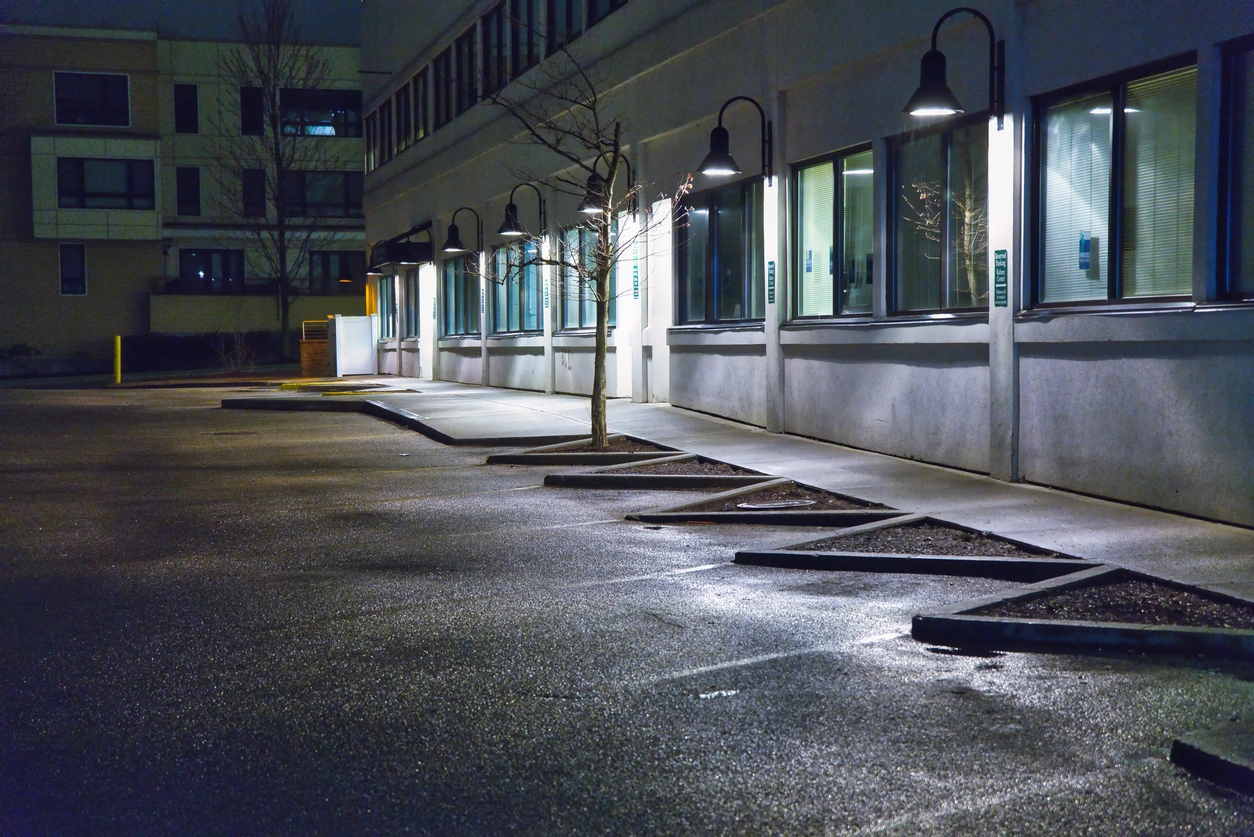
Building Entrances
Maintain more balanced illumination as people approach exterior doors and vestibules.
Adaptive Infrared Night Vision
Camera Security Now helps businesses evaluate intelligent infrared camera features that automatically adjust IR illumination to improve nighttime image balance as subjects move closer to or farther from the camera.
Conventional infrared cameras illuminate dark scenes with IR light, but a fixed level of illumination can create problems when a person or object moves very close to the camera. The nearby subject may become overexposed while distant areas remain darker.
Intelligent IR, sometimes called Smart IR or adaptive IR, adjusts infrared illumination based on scene conditions and subject distance when supported by the camera.
This can help preserve more usable detail around entrances, corridors, gates, loading areas, and other locations where subjects move through different distances from the lens.
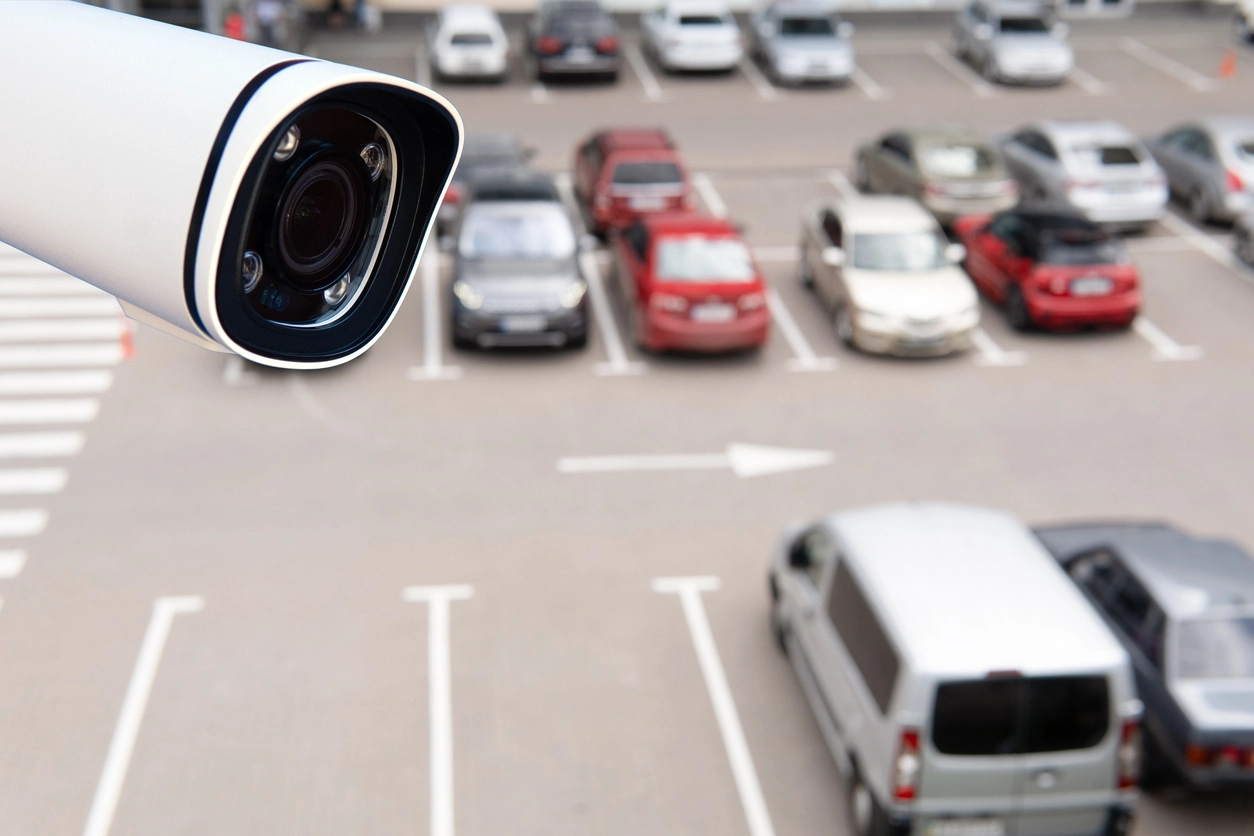
Adaptive illumination can make infrared footage more consistent across changing subject distances.
Lower IR intensity when subjects move close to the camera so faces, clothing, and objects are less likely to wash out.
Adjust illumination to better balance nearby and more distant portions of the monitored scene.
Supported cameras can manage IR output without requiring an operator to manually change illumination as activity moves.
Adaptive IR is especially useful where people or vehicles can move from the far edge of a scene toward the camera.
Maintain more balanced illumination as people approach exterior doors and vestibules.
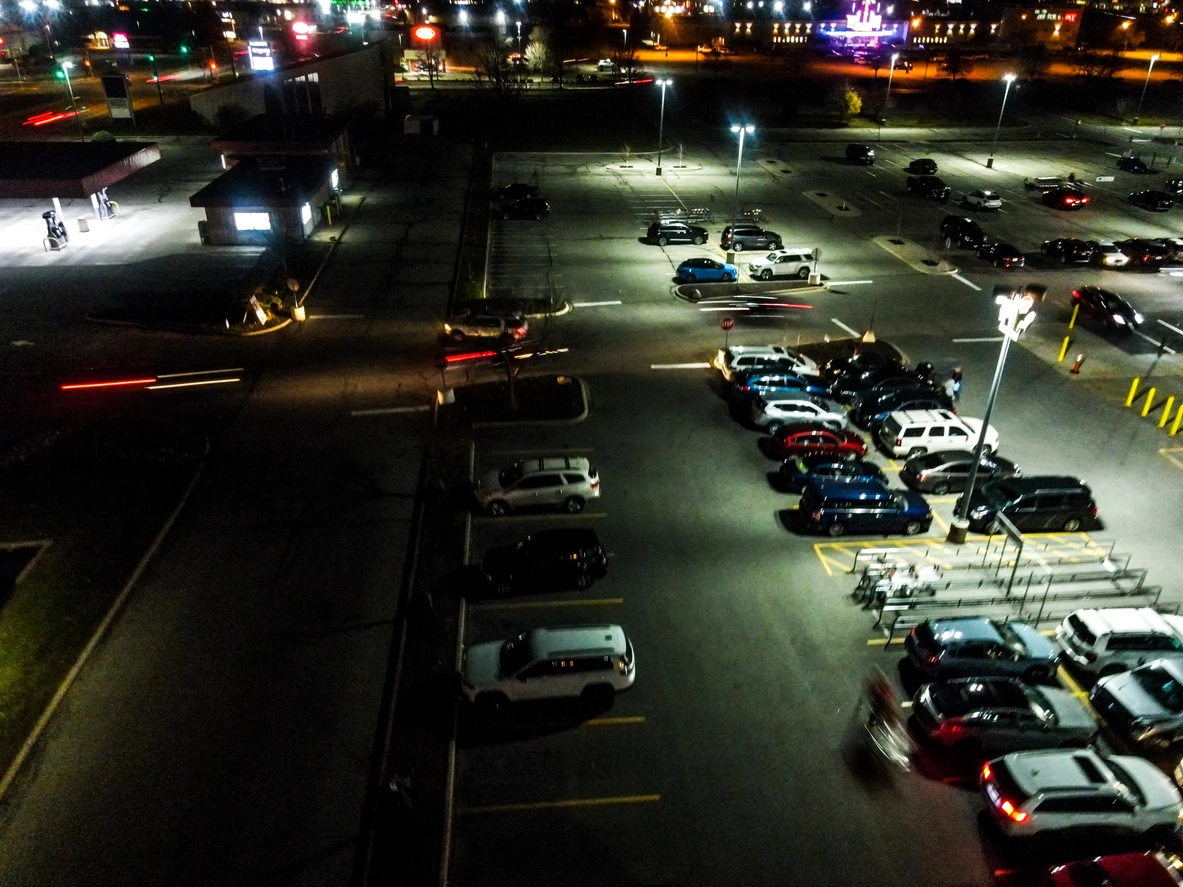
Support nighttime vehicle and pedestrian review across changing distances.
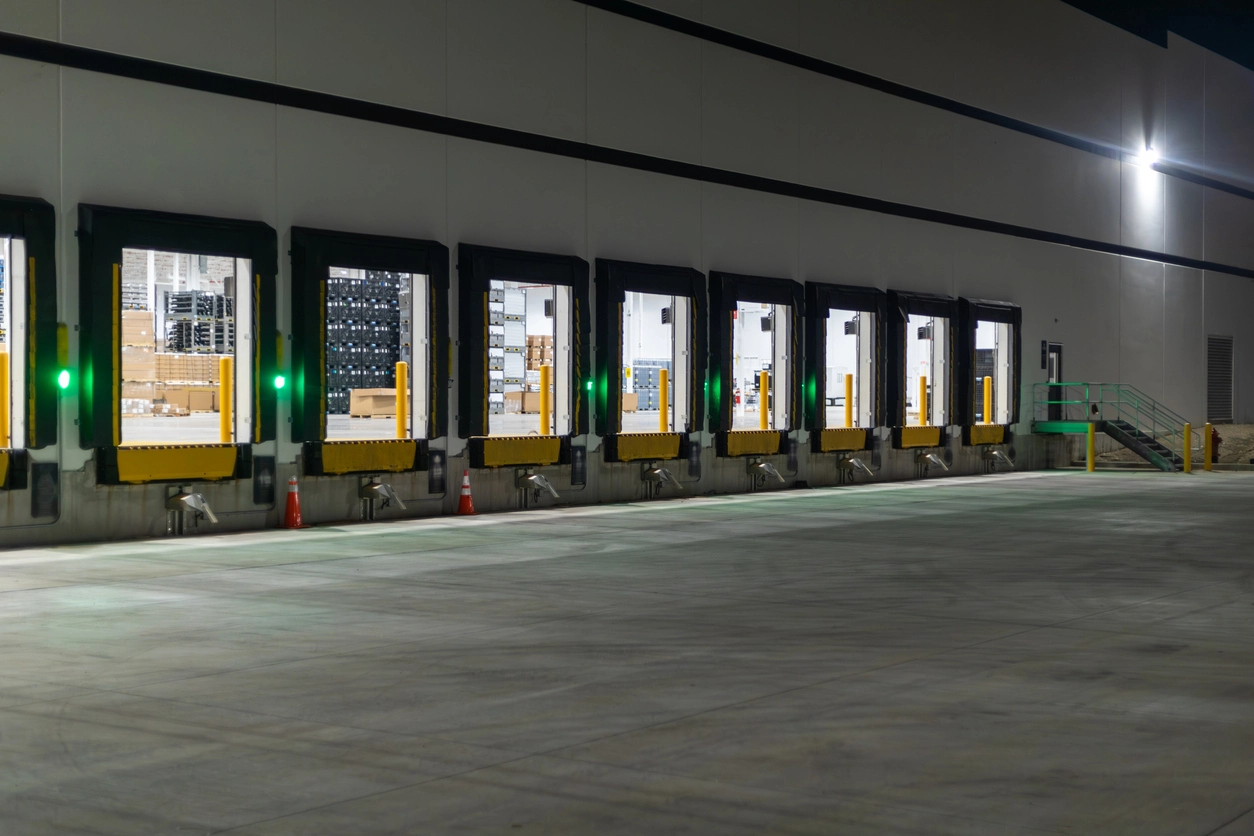
Manage IR illumination around dock approaches, trailers, doors, and exterior work areas.
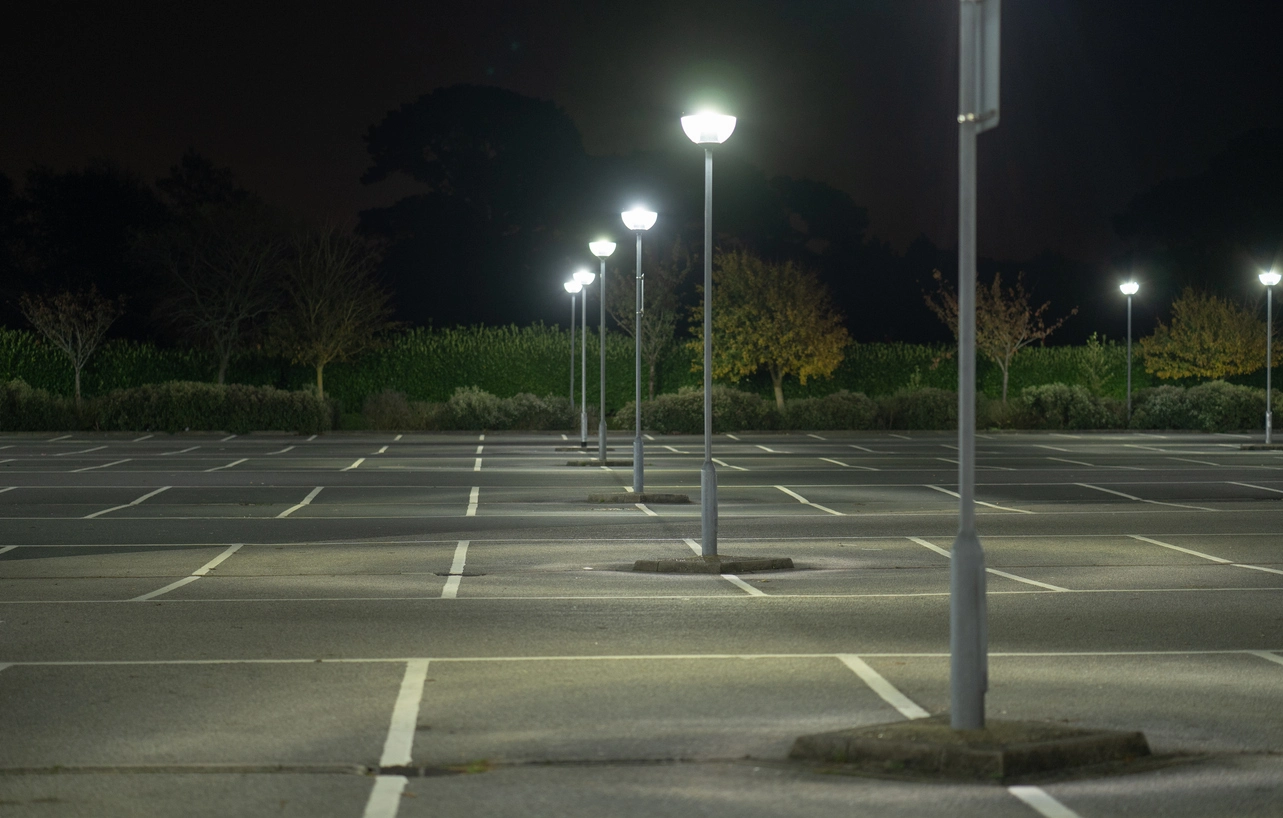
Improve nighttime visibility along walkways, courtyards, parking areas, and building approaches.
Planning Considerations
The camera still uses infrared illumination, but the light output can adapt more intelligently to the scene.
Adaptive IR does not turn black-and-white infrared footage into full-color video. Businesses that need color detail after dark may also consider full-color night imaging or supplemental visible lighting.
Performance still depends on IR range, lens choice, mounting height, reflective surfaces, weather, distance, and the camera model's specific implementation.
Adaptive illumination improves one part of nighttime performance but does not replace good camera placement.
Choose a camera whose usable IR range fits the actual target distance.
Walls, glass, signs, metal, and nearby objects can bounce IR light back toward the camera.
Adaptive IR is most useful where subjects frequently move between near and far portions of the scene.
If color evidence is important, compare intelligent IR with full-color low-light technology.
Intelligent IR builds on standard infrared night vision and can be compared with full-color night cameras, thermal cameras, and AI analytics.
Intelligent IR improves traditional infrared night vision by adapting illumination to changing scene conditions.
Adaptive IR can be valuable at entrances, gates, corridors, loading areas, and other scenes where subjects may approach the camera and become overexposed under fixed infrared illumination.
Manufacturers use different names and implementations for adaptive infrared control, so supported behavior should be confirmed for the selected model.
Camera Security Now helps organizations compare standard IR, intelligent IR, full-color night imaging, thermal cameras, lens selection, mounting, and recording requirements.
Get answers to common questions about this security camera solution.
Intelligent IR is an adaptive infrared feature that can adjust IR illumination to improve image balance as scene conditions or subject distance change.
It is an enhancement to infrared night vision. Standard IR provides illumination, while intelligent or adaptive IR can adjust the intensity when supported by the camera.
No. It can help reduce overexposure, but camera angle, reflections, subject distance, weather, and scene conditions still affect results.
Usually no. Infrared night vision commonly produces black-and-white footage. Full-color night technologies use different imaging and lighting approaches.
Tell us how subjects approach the camera and how dark the area becomes. We’ll help you compare adaptive IR with other nighttime imaging options.