Vehicle Access Lanes
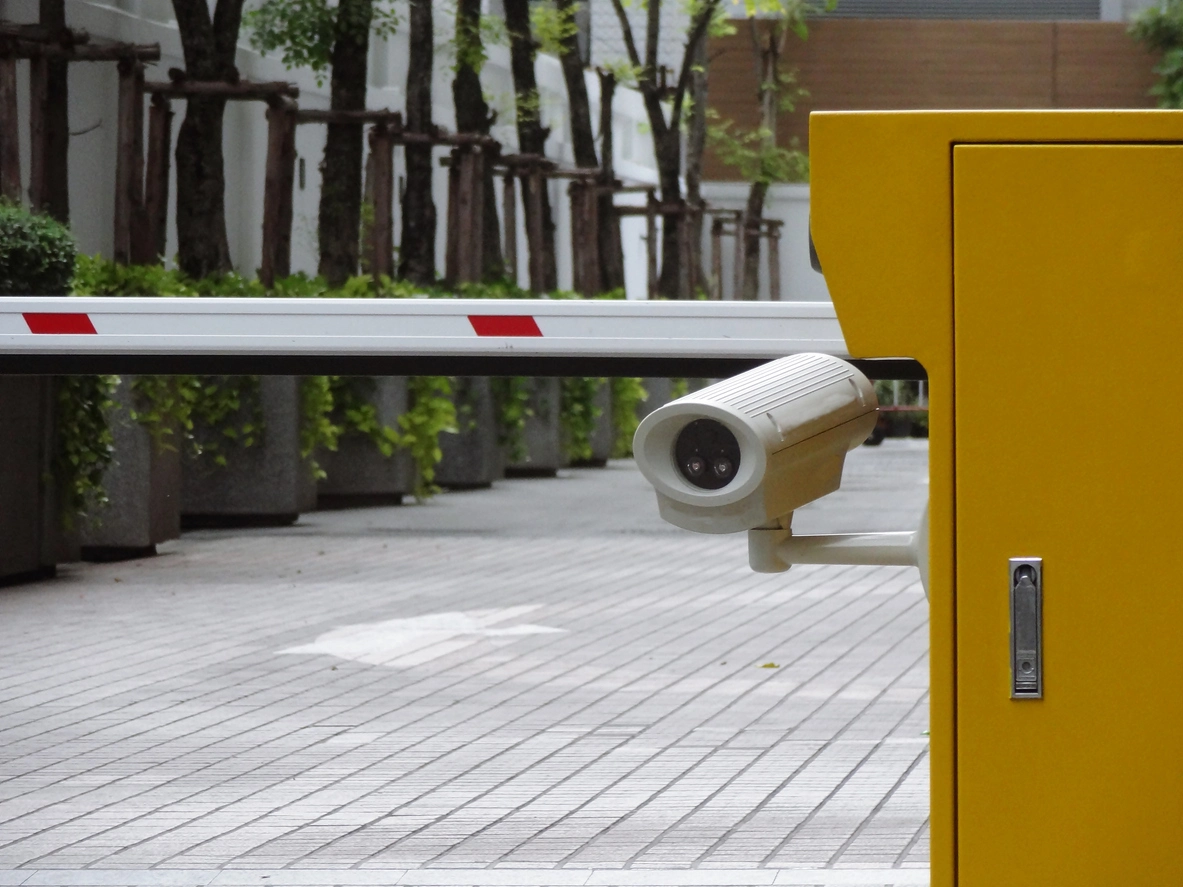
Monitor vehicles crossing into or out of a controlled property entrance.
AI Line-Crossing Detection
Camera Security Now helps organizations evaluate AI line-crossing detection security cameras for entrances, exits, gates, loading docks, fence lines, vehicle lanes, and restricted areas.
Line-crossing analytics place a virtual line within the camera view and create an event when a supported object crosses that boundary.
Depending on the platform, rules may distinguish people from vehicles, monitor one direction or both directions, operate on schedules, and trigger alerts or searchable bookmarks.
Line crossing is useful when a clear boundary matters more than general movement—for example, a person entering a restricted corridor or a vehicle crossing a controlled access lane.
A simple virtual boundary can provide clear event logic for entrances, exits, lanes, and perimeters.
Supported systems may distinguish entry from exit by monitoring crossing direction.
Apply line-crossing rules to people, vehicles, or other supported classes.
Generate events only when the defined boundary is crossed instead of reacting to unrelated activity elsewhere in the scene.
Virtual lines work best where people or vehicles pass through predictable paths.
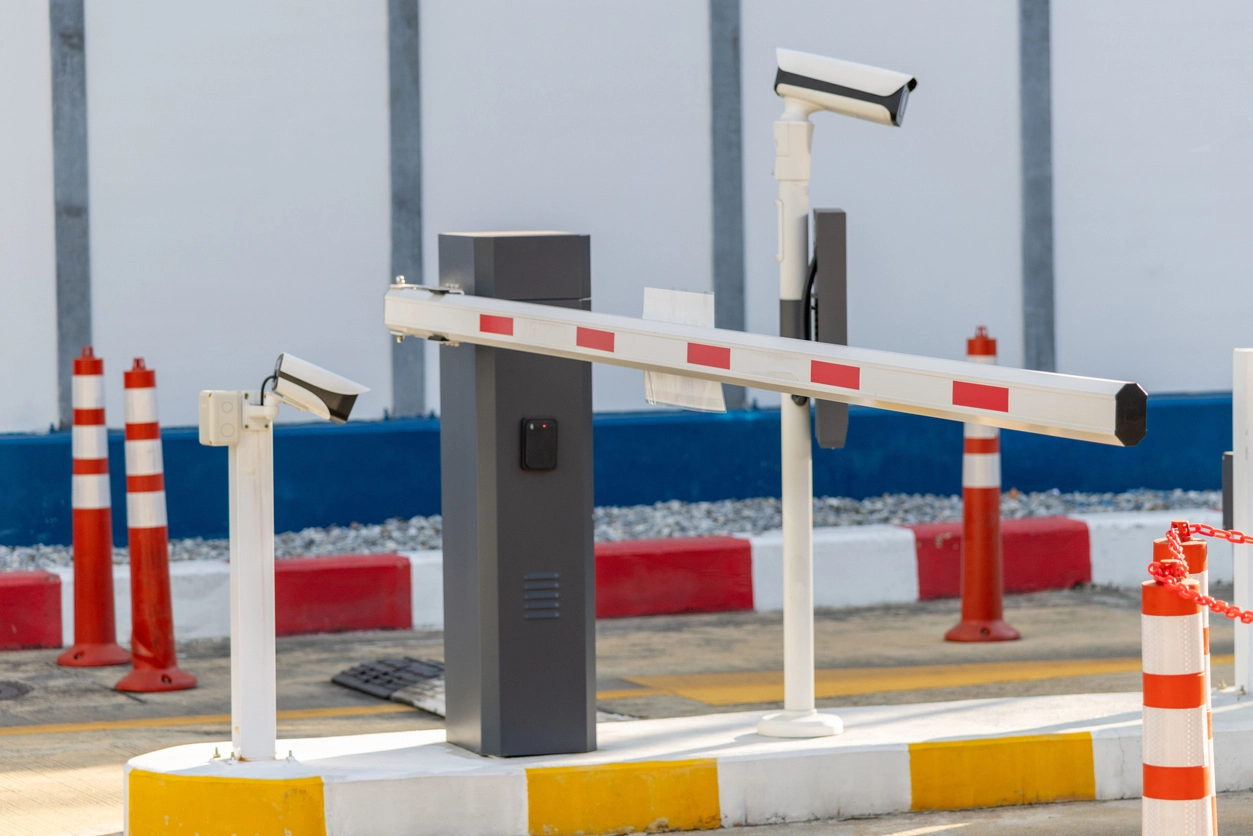
Monitor vehicles crossing into or out of a controlled property entrance.
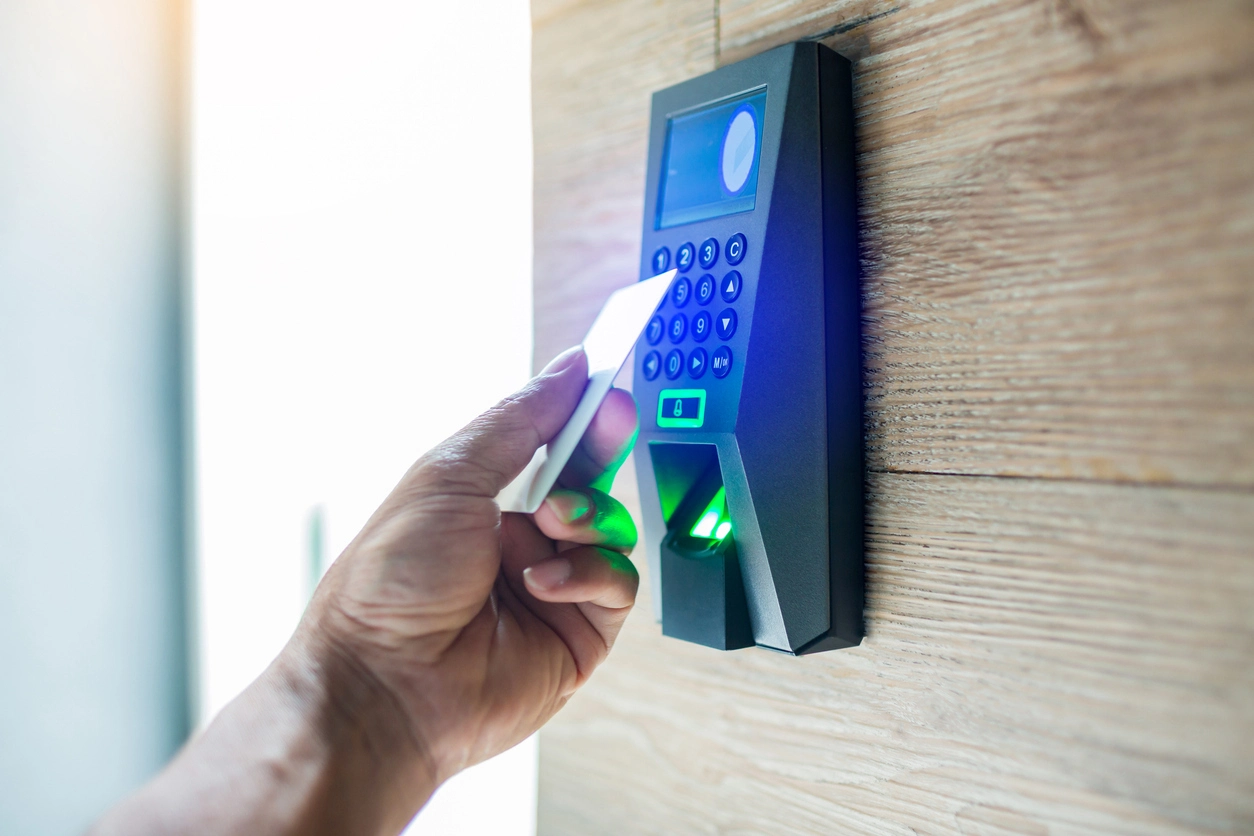
Create crossing events at controlled doors, vestibules, and employee entry points.
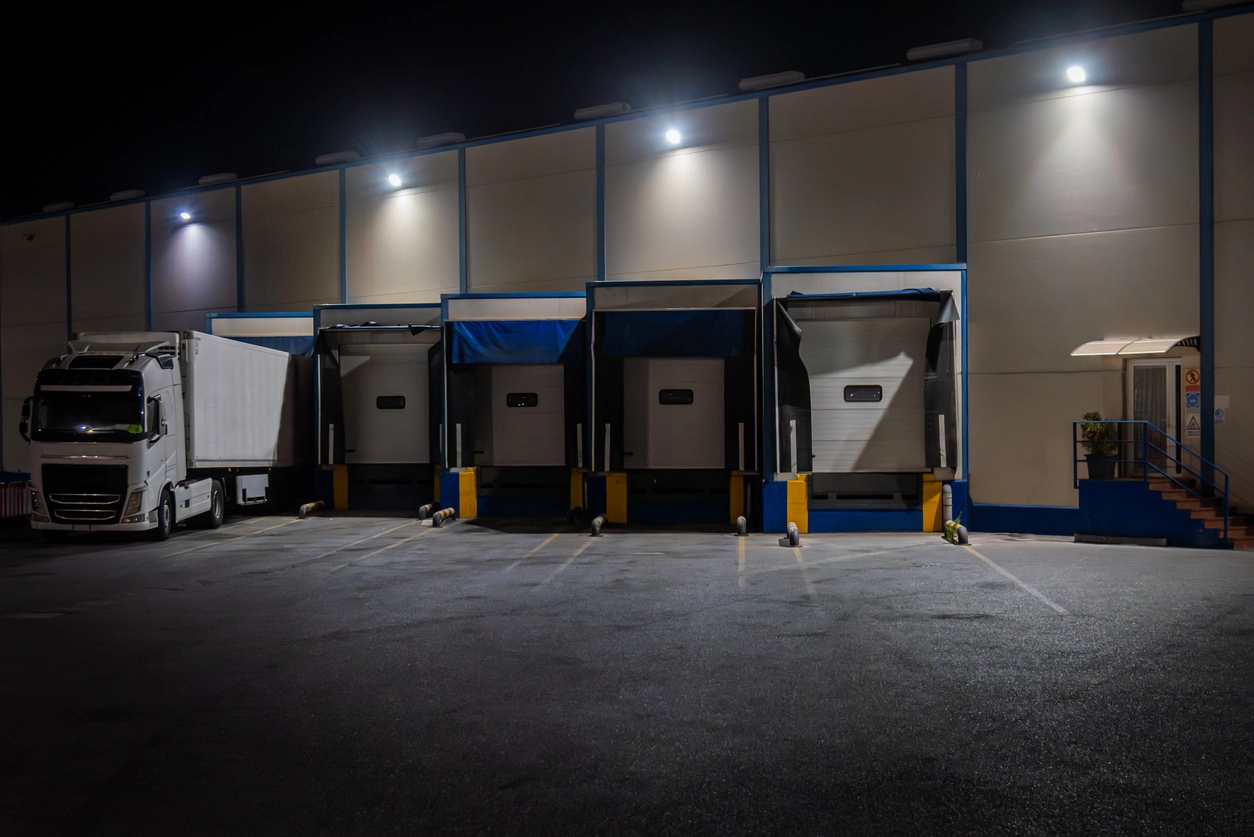
Monitor people or vehicles moving across dock boundaries, service lanes, and shipping areas.
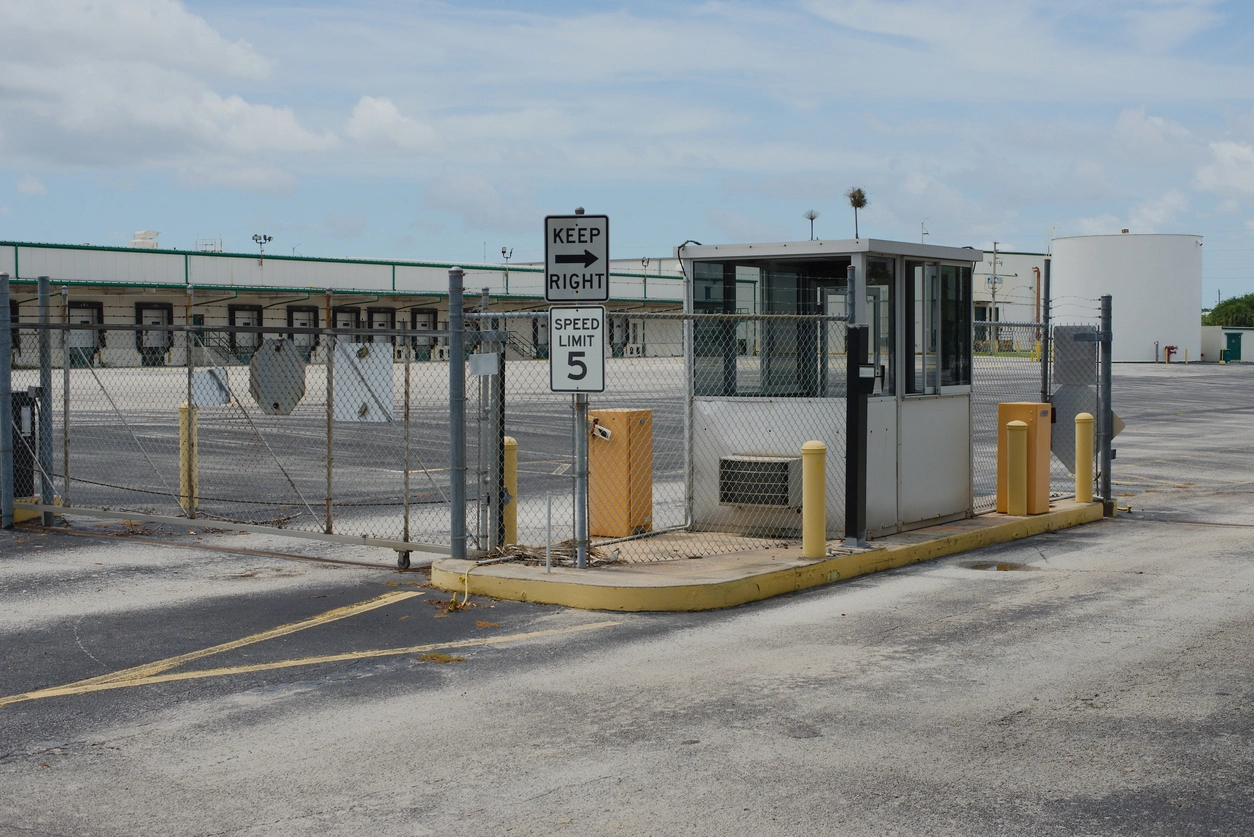
Create boundary events where vehicles or people pass through secured exterior access points.
Planning Considerations
Line crossing watches for movement across a boundary; intrusion detection watches for entry into or presence within an area.
A line can be useful at a doorway, gate, lane, corridor, or fence opening where the crossing itself is the important event. A larger intrusion zone is often better when the goal is to know whether someone entered or remained inside a restricted area.
Many commercial platforms support both rule types, allowing each camera view to use the analytics that best match the physical layout.
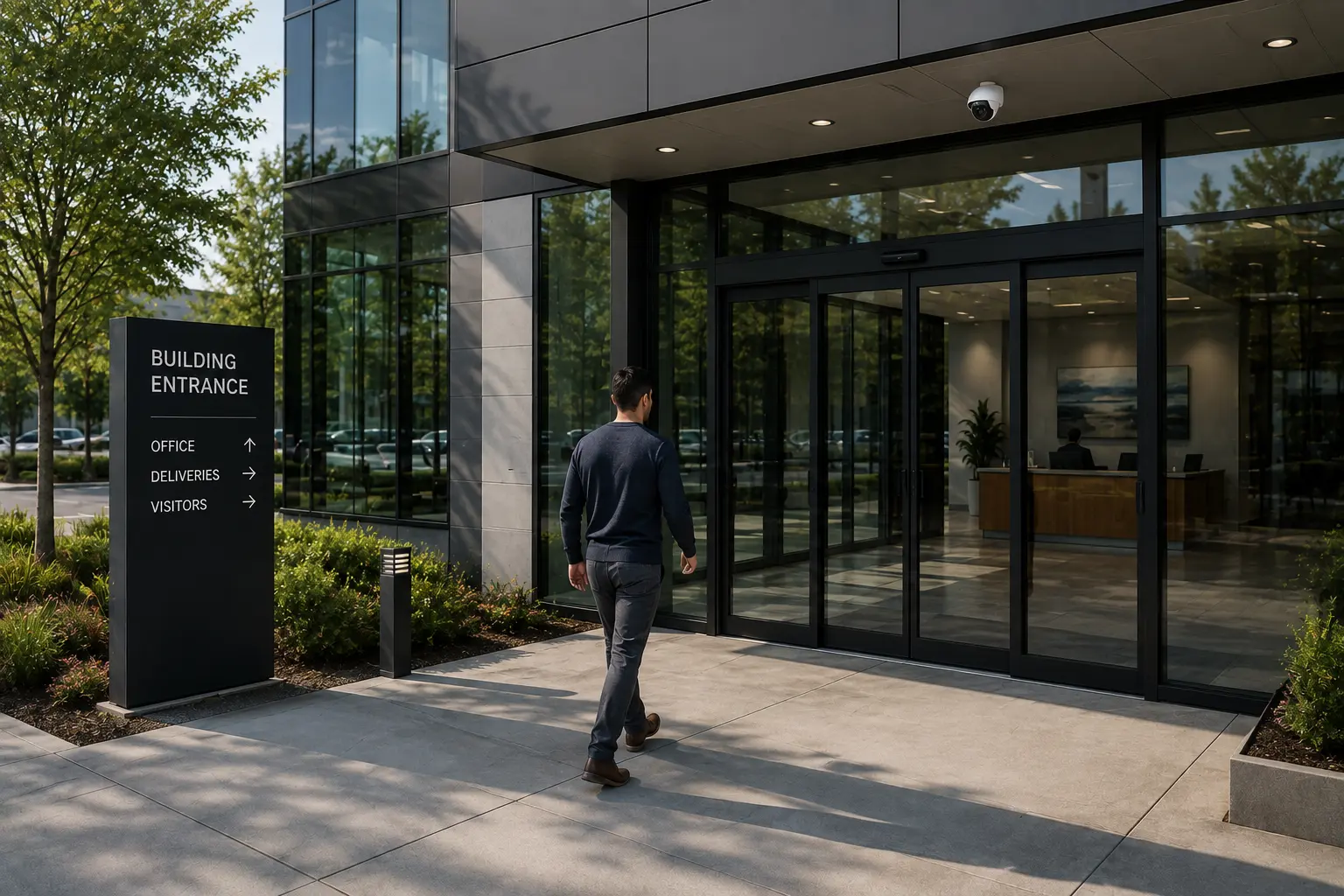
The virtual line should correspond to a real path people or vehicles are expected to cross.
A clear view across the path helps the analytics determine when an object actually crosses the line.
Decide whether entry, exit, or both directions should create events.
Confirm whether the rule can be limited to people, vehicles, or other supported classes.
Busy areas may require careful line placement and schedules to avoid excessive events.
Line crossing often works alongside intrusion detection, person detection, vehicle detection, access control, and perimeter cameras.
Line-crossing analytics create clear, searchable events when supported people or vehicles move across a defined virtual boundary.
Line crossing is one of the most practical AI video analytics rules because it maps directly to common security questions: Did someone enter this corridor? Did a vehicle cross this gate? Did a person move past this boundary after hours?
Accurate performance still depends on placement, object size, lighting, direction of travel, and the selected analytics platform. A line placed across an ambiguous or heavily trafficked scene may create more events than the organization can use.
Camera Security Now helps businesses select cameras and analytics rules that match real entrances, exits, perimeters, docks, lanes, and restricted pathways.
Get answers to common questions about this security camera solution.
Line-crossing detection is a video analytics rule that creates an event when a supported object crosses a virtual line drawn within the camera view.
Many commercial platforms can distinguish crossing direction, allowing rules for entry, exit, or both directions.
Line crossing watches for an object crossing a boundary. Intrusion detection monitors entry into or presence within a larger defined zone.
Some AI-enabled systems can apply line-crossing rules to specific object classes such as people or vehicles. Capabilities vary by manufacturer.
Tell us which doors, gates, lanes, corridors, or fence lines matter. We’ll help you evaluate line-crossing analytics for the site.