
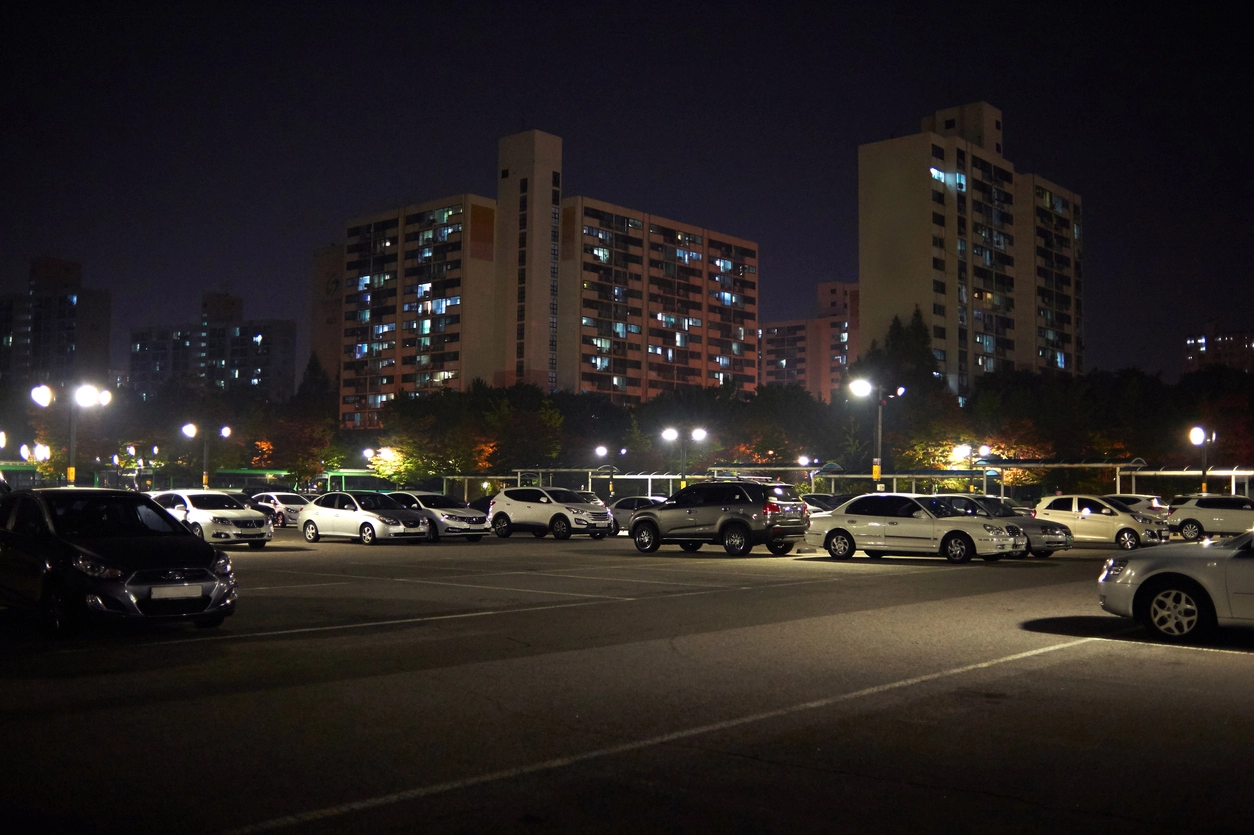
Parking Lots
Focus on people or vehicles instead of every headlight, shadow, or weather-related motion event.
AI-Enhanced Motion Detection
Camera Security Now helps businesses evaluate smart motion detection that goes beyond basic pixel-change motion by using supported analytics to classify people, vehicles, or other meaningful activity.
Traditional motion detection reacts whenever enough pixels change in the camera view. That can be useful for recording, but trees, shadows, headlights, rain, insects, reflections, and other environmental movement may create large numbers of events.
Smart motion detection adds supported object classification so the system can focus on events involving people, vehicles, or other configured classes instead of treating every visual change the same way.
This can make alerts easier to manage, improve event-based recording, reduce time spent reviewing nuisance clips, and provide a more practical bridge between basic motion activation and advanced AI video analytics.
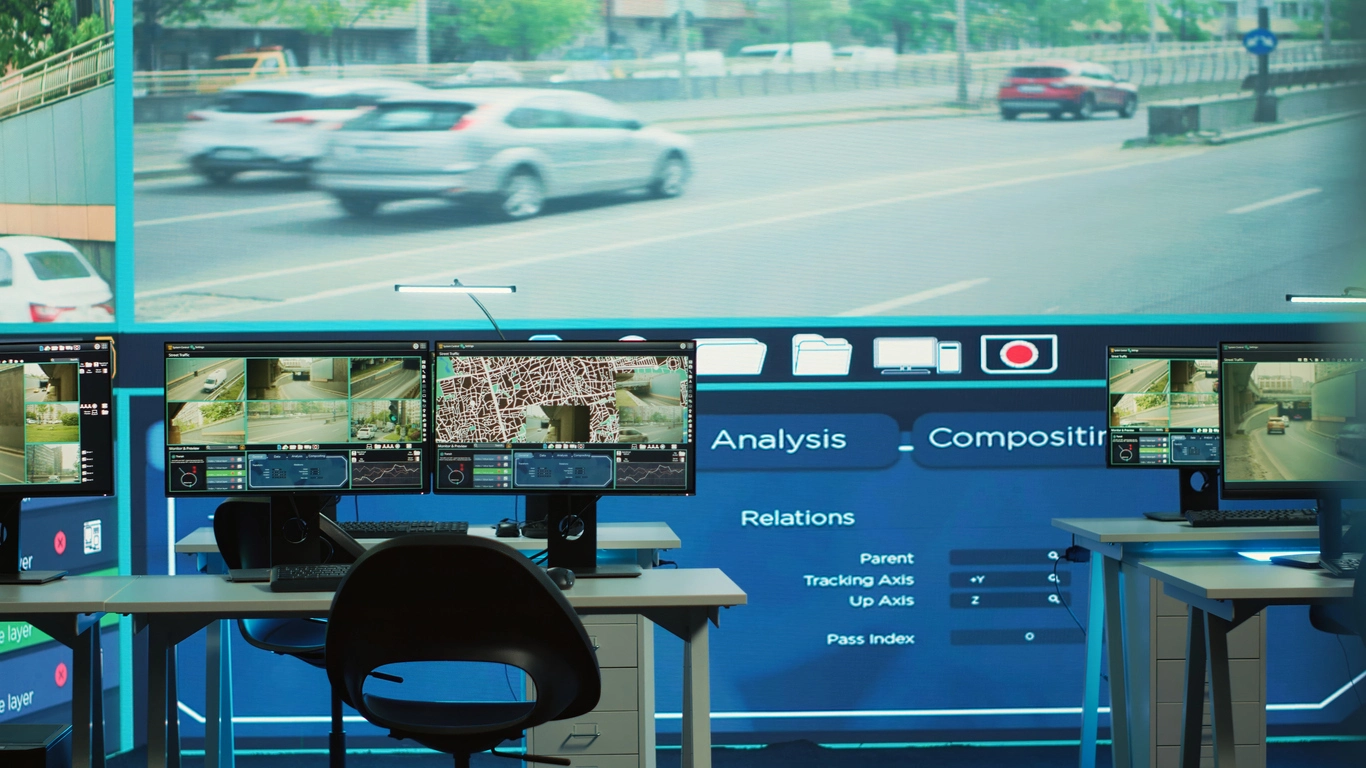
AI-supported classification can make motion events more relevant without requiring every camera to generate a complex analytics workflow.
Focus selected events on supported people and vehicles rather than every change in the image.
Reduce notifications caused by environmental motion so teams can pay attention to events that are more likely to matter.
Use classified events to support event-based recording and faster playback review.
Smart motion detection is useful where ordinary motion is common but only certain types of activity deserve attention.
Focus on people or vehicles instead of every headlight, shadow, or weather-related motion event.
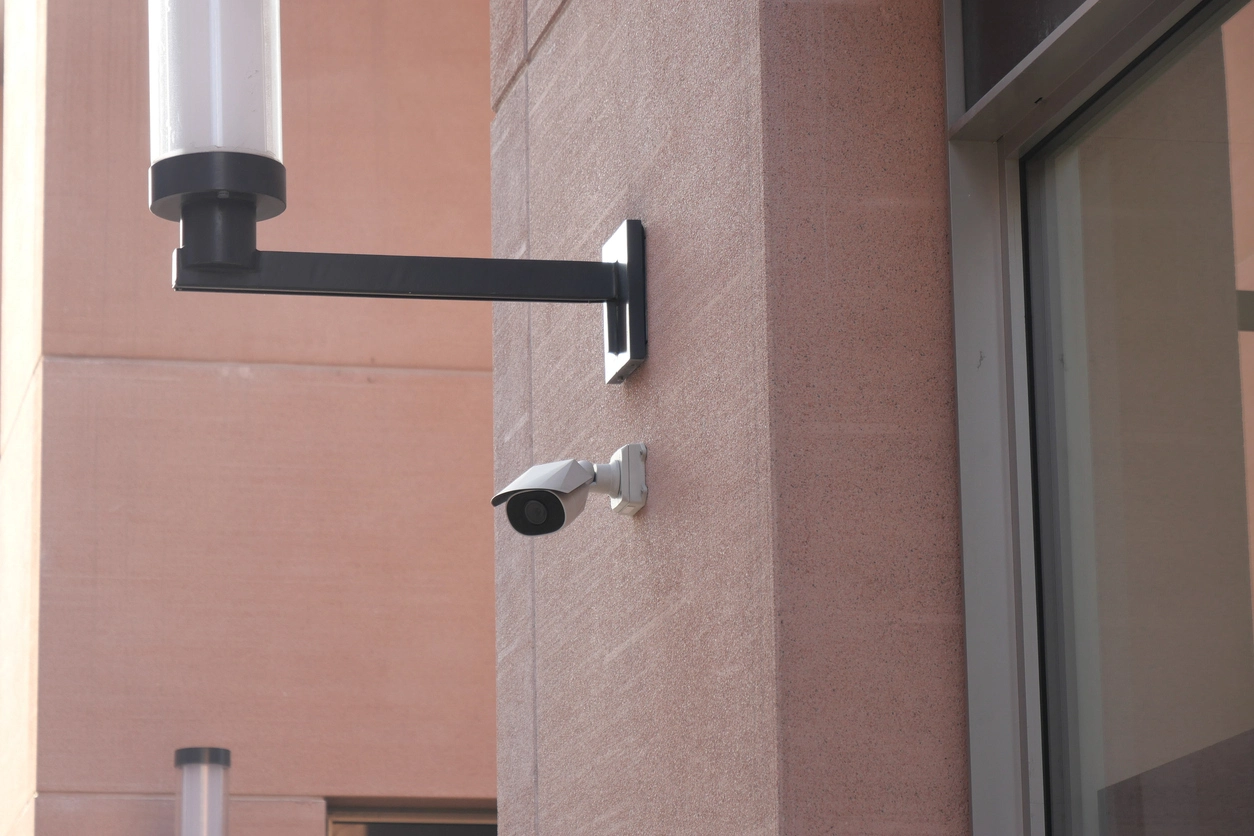
Create more relevant person events around doors, vestibules, and access points.
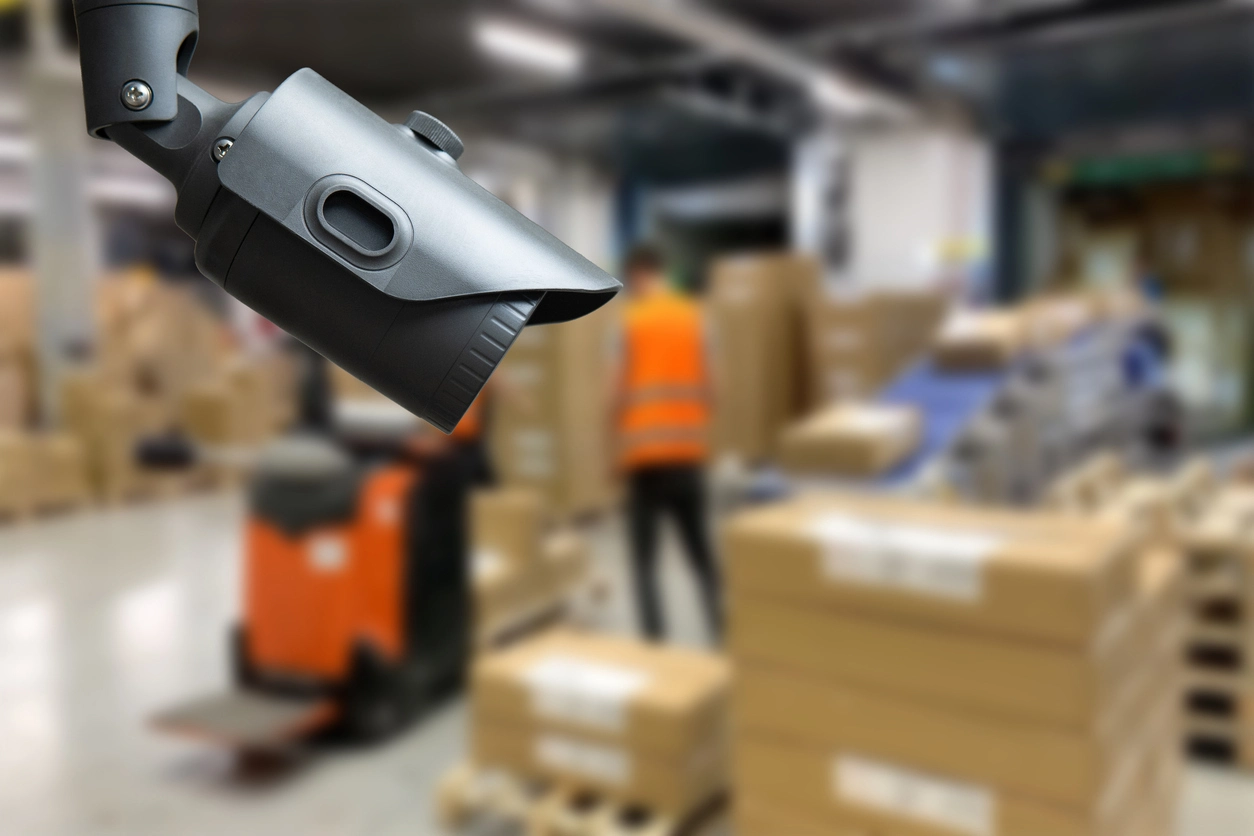
Use classification to make aisle, dock, storage, and after-hours events easier to review.
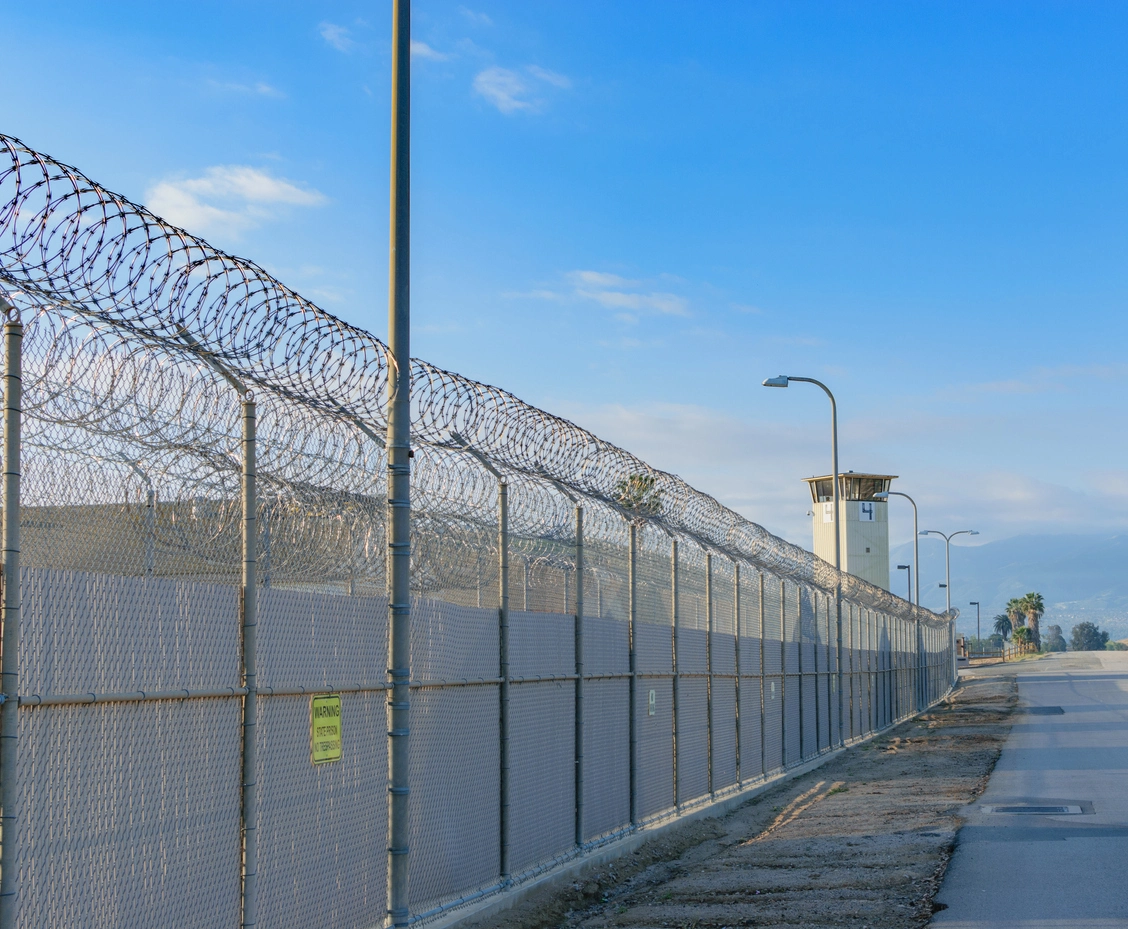
Combine smart motion with defined zones around yards, fences, gates, and other outdoor areas.
Planning Considerations
Basic motion activation decides when movement occurred. Smart motion detection can add classification to help determine what caused it.
A camera may still use motion to trigger recording, but supported AI can label or filter the event based on whether a person, vehicle, or other supported class is present.
Capabilities vary by manufacturer and model. Camera placement, object size, distance, lighting, scene complexity, and analytics licensing can all affect real-world performance.
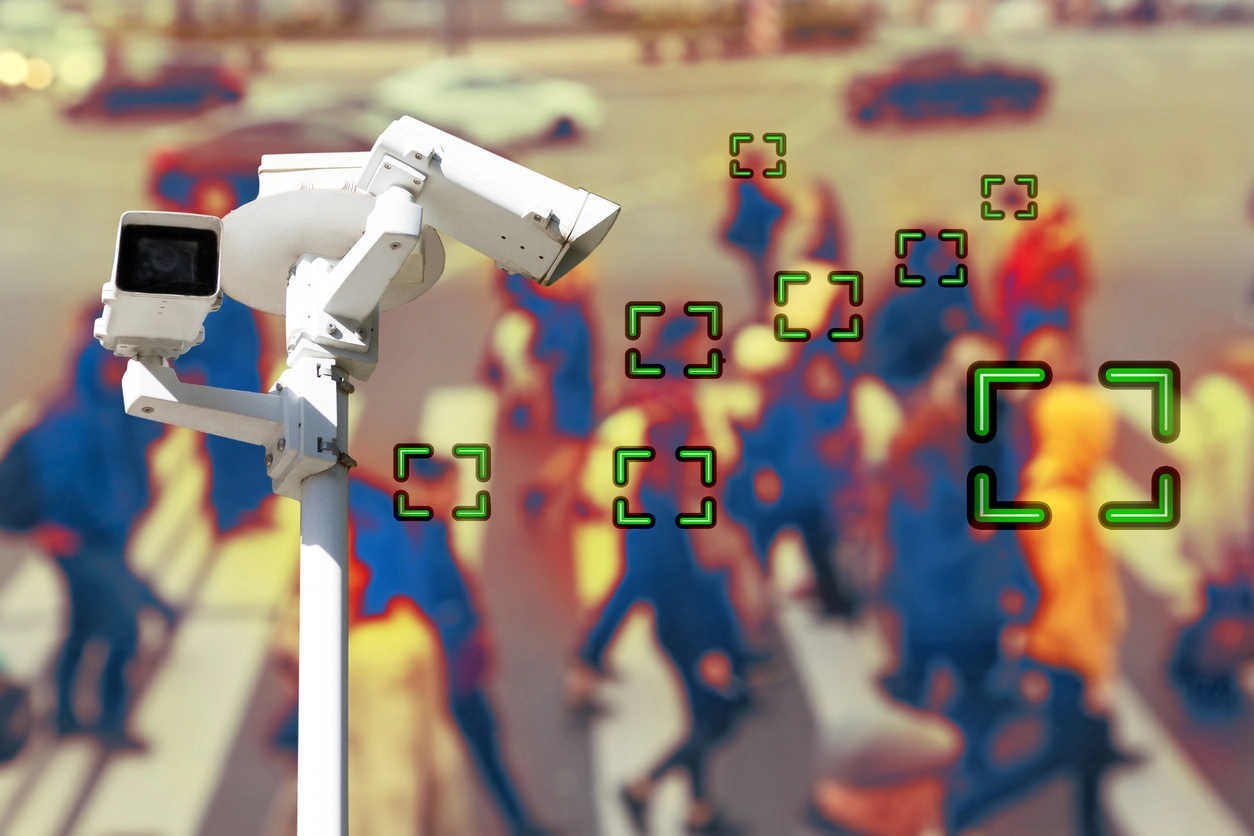
Good results depend on selecting meaningful detection zones and realistic classification rules.
Focus analytics on doors, lanes, aisles, yards, or other areas where classified motion matters.
People or vehicles that are too small or distant in the image may not classify reliably.
Different motion rules may be appropriate during business hours and after hours.
Decide whether classified events trigger recording, alerts, bookmarks, or simply searchable metadata.
Smart motion detection works alongside motion activation, person detection, vehicle detection, event filtering, and false alarm reduction.
Smart motion detection makes conventional motion events more useful by adding supported AI classification.
Basic motion detection remains valuable for recording efficiency, but modern commercial systems can often classify the object responsible for the motion. This helps separate people and vehicles from many nuisance events.
Businesses may use smart motion detection around entrances, parking lots, warehouses, yards, campuses, and after-hours areas where frequent environmental motion would otherwise create excessive event volume.
Camera Security Now helps organizations compare basic motion activation, smart motion detection, person and vehicle analytics, recording rules, storage, and alert workflows.
Get answers to common questions about this security camera solution.
Smart motion detection uses supported video analytics to classify meaningful motion events, such as people or vehicles, instead of reacting only to pixel changes.
Basic motion detection looks for image changes. Smart motion detection can add object classification so selected people, vehicles, or other supported classes are easier to separate from nuisance motion.
It can reduce many nuisance events when the scene and analytics are configured correctly, but no analytics system eliminates every false alert.
No. It is often a simpler layer of classification. More advanced analytics may add intrusion zones, loitering, line crossing, counting, tracking, or other specialized rules.
Tell us where basic motion alerts are creating too much noise. We’ll help you evaluate smart motion detection, recording, and alert settings for the property.