
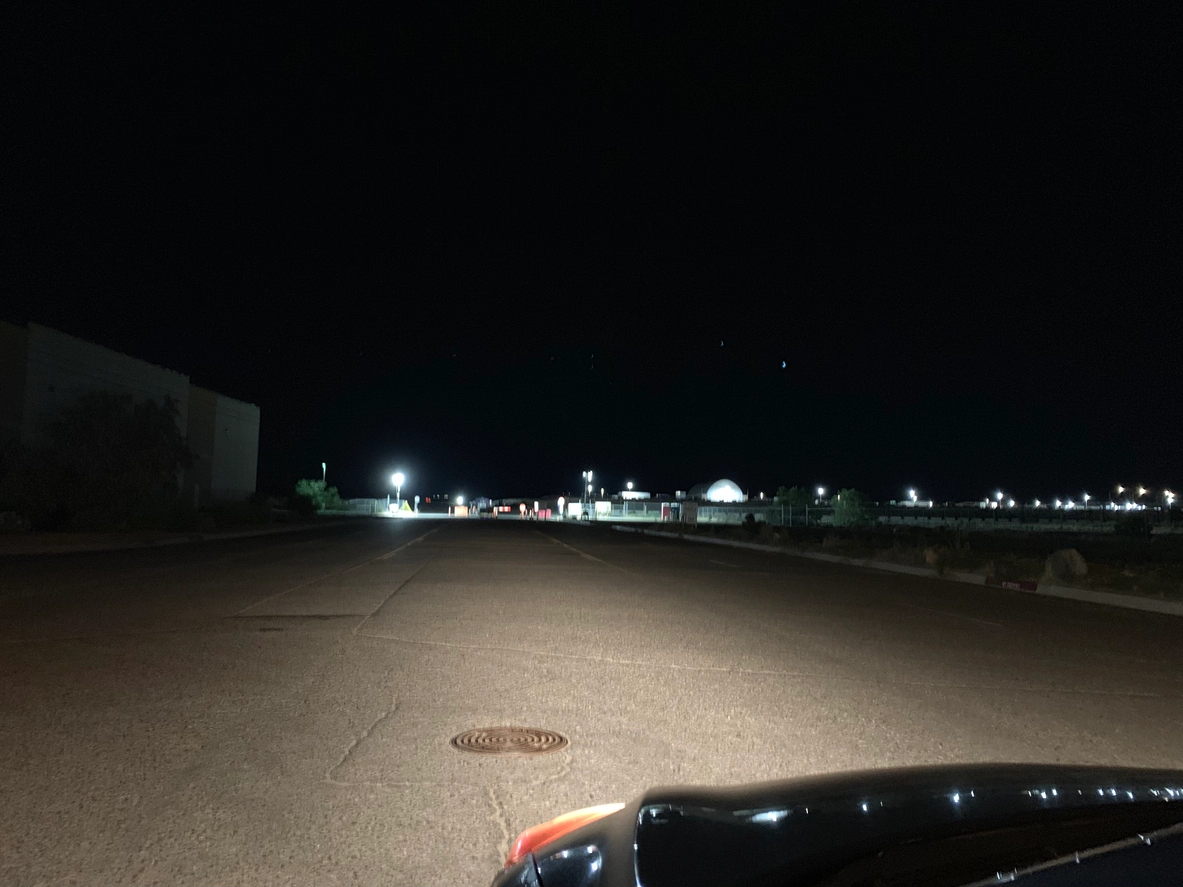
Outdoor Perimeters
Reduce events caused by vegetation, weather, distant traffic, or environmental motion around property boundaries.
Smarter Camera Alert Quality
Camera Security Now helps businesses reduce nuisance camera events by combining supported AI classification with better detection zones, schedules, sensitivity, event filtering, and camera placement.
Traditional motion detection can react to leaves, rain, shadows, insects, headlights, reflections, moving signs, animals, and other scene changes that may not represent a real security concern.
AI-supported person and vehicle classification can reduce many of those nuisance events by focusing selected rules on the object types that matter. Detection zones, schedules, object-size thresholds, and event filtering can further improve alert quality.
No camera analytics system eliminates every false event. The goal is to make the event stream useful enough that people continue to trust and review it.
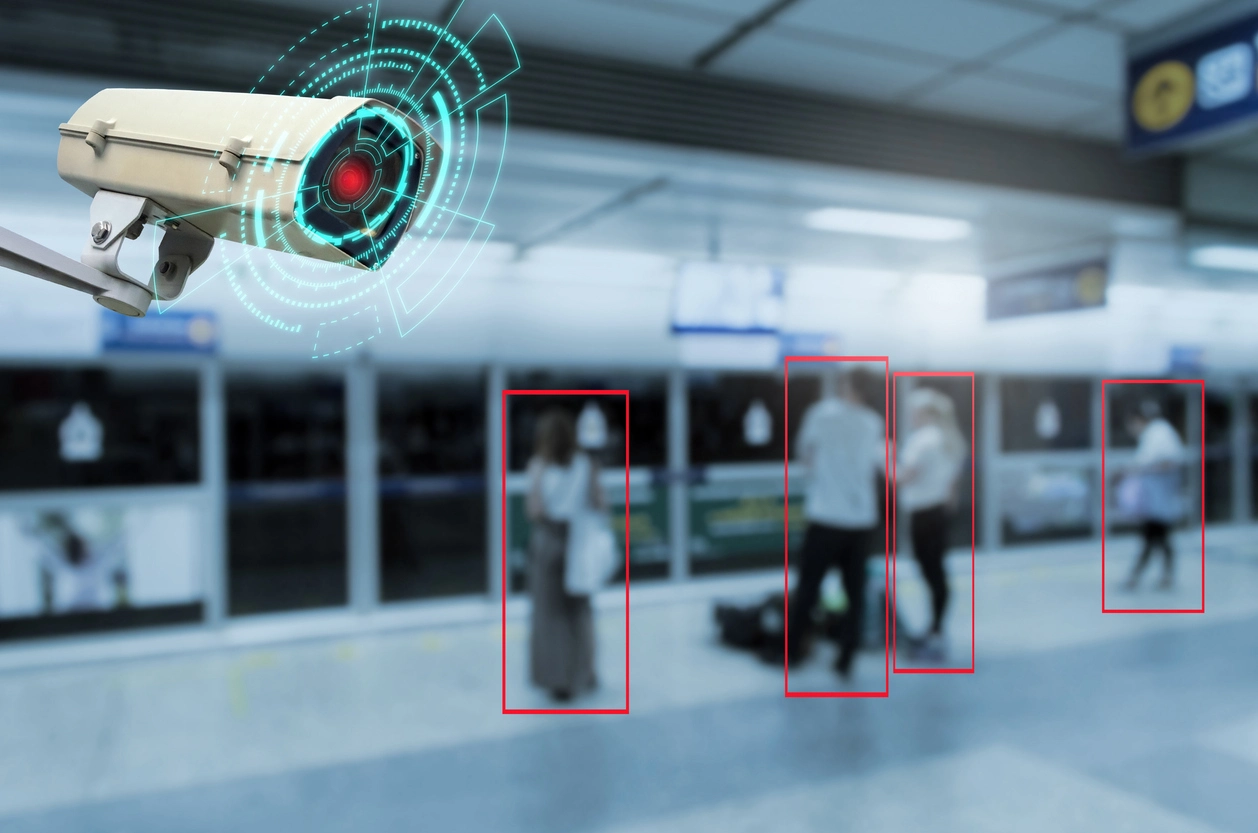
False alarm reduction usually comes from combining several configuration tools instead of relying on one setting.
Use supported person and vehicle analytics to ignore many motion events caused by irrelevant objects.
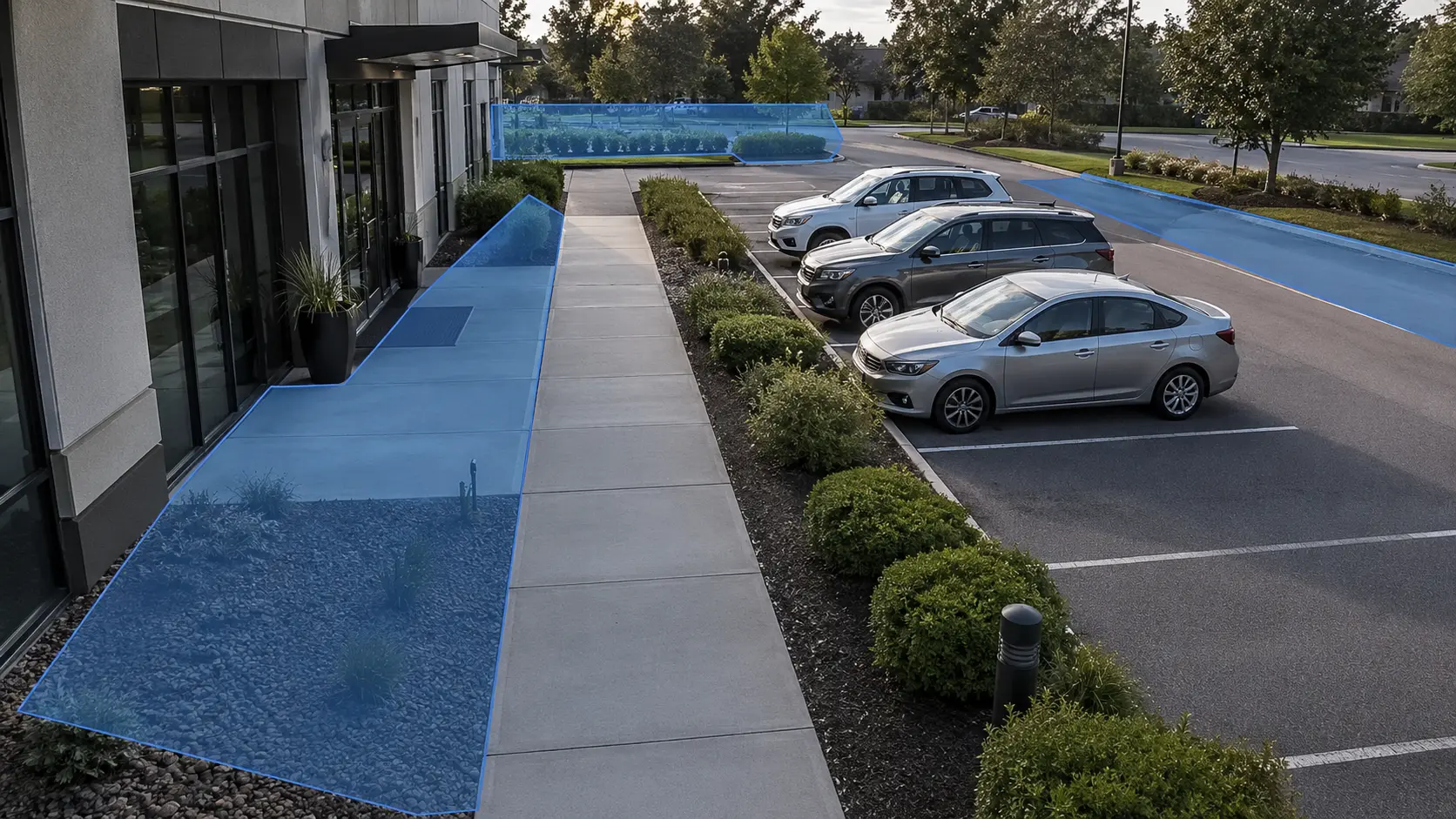
Exclude roads, trees, reflective surfaces, busy sidewalks, or other areas that do not need the same alert rules.
Apply different rules based on time of day, object size, dwell time, or other supported conditions.
Different environments create different nuisance-event patterns, so configuration should match the actual scene.
Reduce events caused by vegetation, weather, distant traffic, or environmental motion around property boundaries.
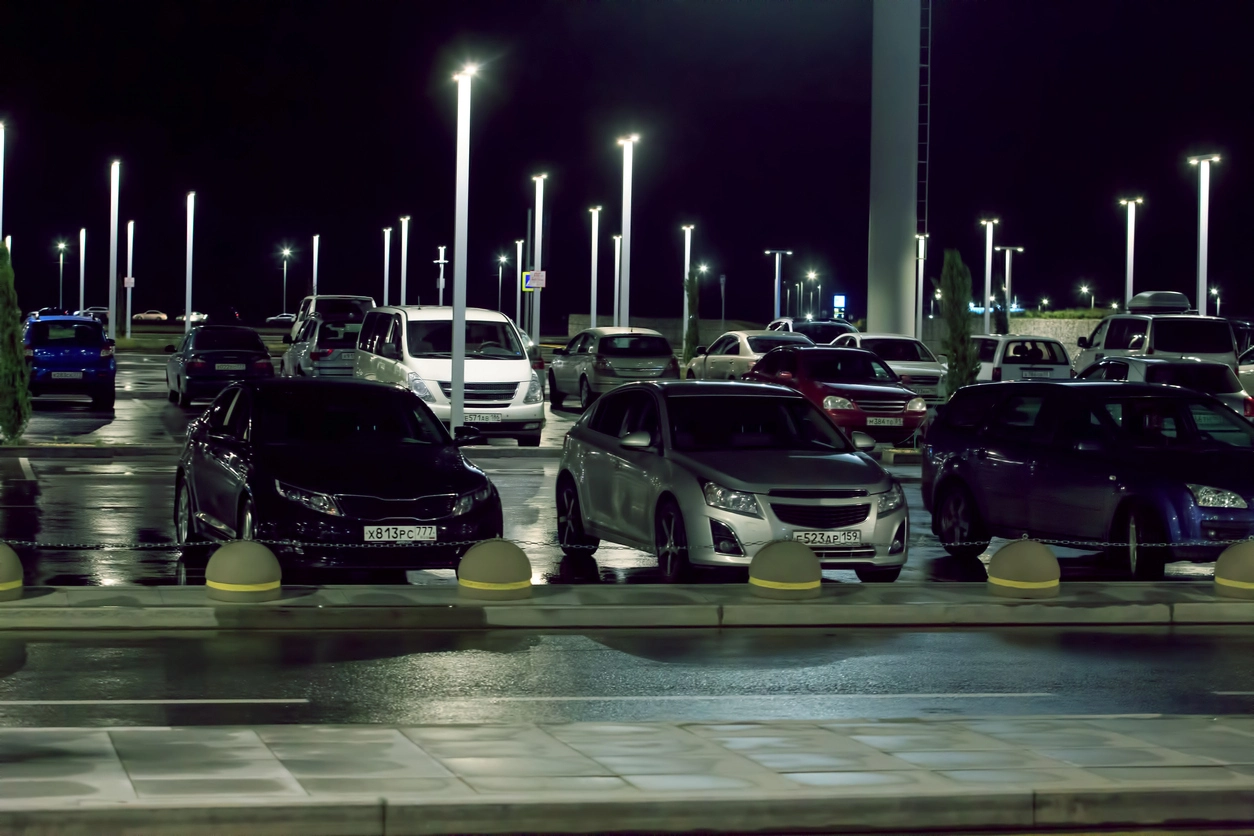
Separate meaningful people or vehicle activity from headlights, shadows, weather, and distant roadway movement.
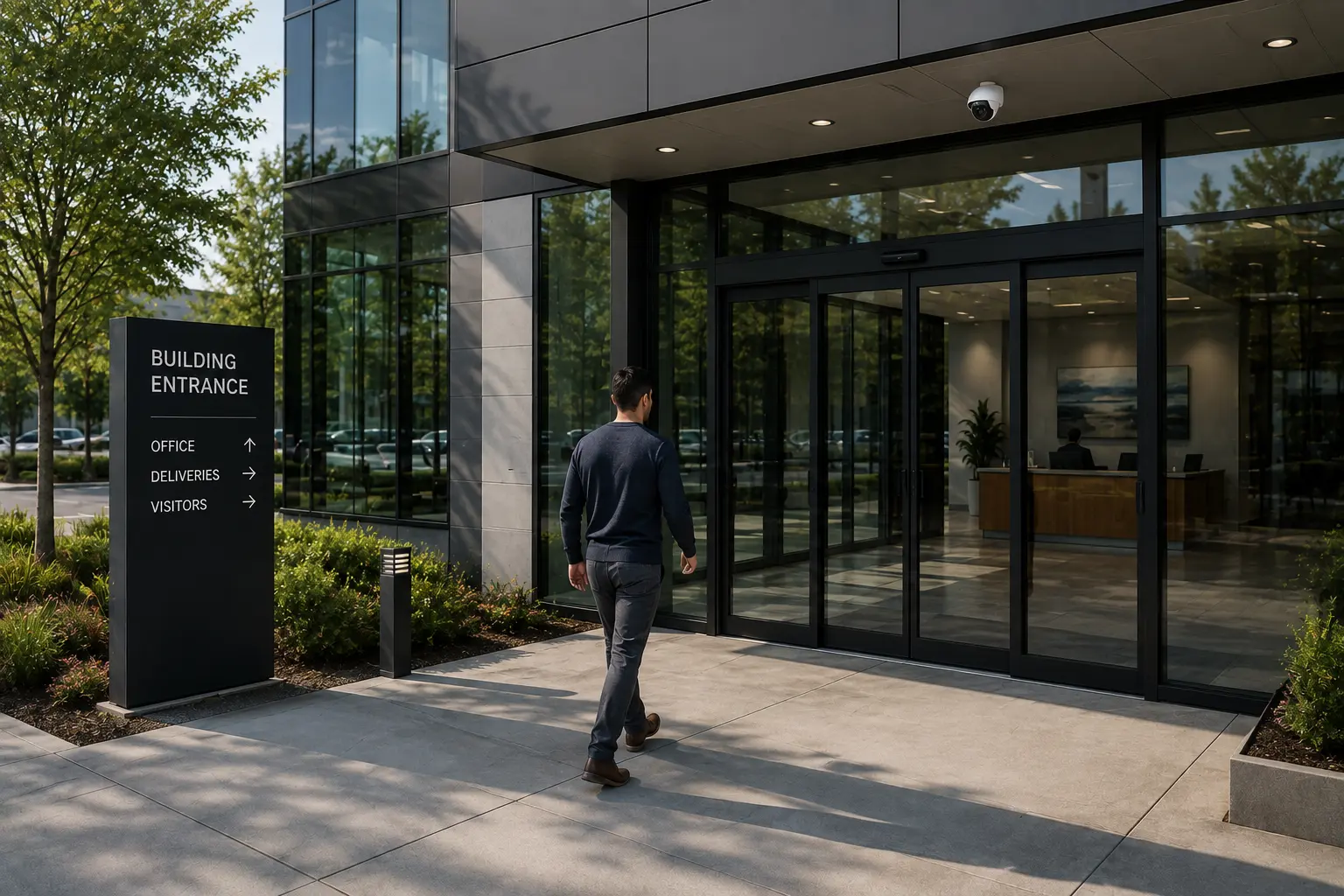
Focus alerts on selected approach zones rather than every change across the full camera view.
Use classification and zones to make events more manageable around machinery, yards, docks, and outdoor operations.
Planning Considerations
AI cannot fully compensate for a badly positioned camera or a scene filled with unnecessary motion.
Camera angle, target size, lighting, reflections, vegetation, weather, object distance, and scene complexity all affect the quality of analytics events.
A strong design combines appropriate placement with person and vehicle classification, intrusion or line-crossing rules, detection zones, schedules, event filtering, and realistic sensitivity settings.
The goal is not zero events; it is a trustworthy event stream that captures meaningful activity without overwhelming users.
Identify whether unwanted events come from weather, vegetation, traffic, animals, shadows, reflections, or camera placement.
Use person, vehicle, or other supported object filters where they fit the security goal.
Intrusion zones or line crossing may be more useful than generic motion in some areas.
Periodically review false and missed events and adjust the configuration as site conditions change.
False alarm reduction works alongside smart motion detection, event filtering, real-time alerts, intrusion detection, and person/vehicle classification.
False alarm reduction helps keep camera analytics useful by reducing nuisance events from activity that does not match the intended security rule.
Modern AI-enabled camera systems can classify supported people and vehicles, helping businesses move beyond simple pixel-change motion detection.
False alarm reduction also depends on scene design, detection zones, schedules, object-size thresholds, analytics rules, and event filtering.
Camera Security Now helps organizations evaluate the full event workflow so cameras produce alerts and searchable events that users can realistically manage.
Get answers to common questions about this security camera solution.
Common causes include trees, rain, snow, insects, shadows, headlights, reflections, animals, distant traffic, busy backgrounds, and poorly configured motion zones.
No. AI can reduce many nuisance events, especially when it can classify people or vehicles, but real-world conditions can still produce false or missed events.
It depends on the scene. Intrusion zones, line crossing, and object classification may provide more specific rules than generic motion in many security applications.
Often yes. Seasonal vegetation, lighting, construction, camera changes, and operational changes can alter the scene and affect analytics performance.
Tell us which cameras and conditions are creating nuisance events. We’ll help you evaluate better analytics rules, zones, schedules, and classification settings.