
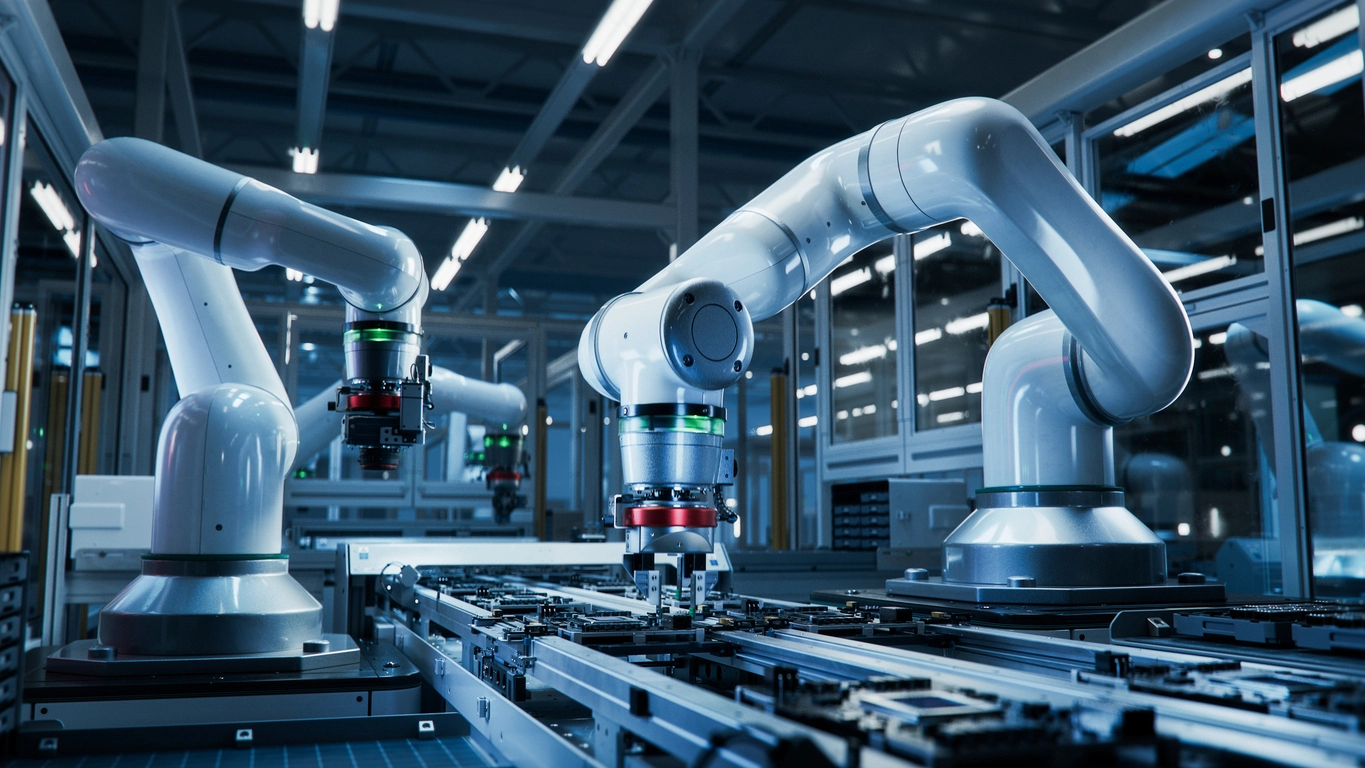
Industrial Facilities
Monitor broad operational areas where visual smoke or flame events may be visible to cameras.
AI Smoke & Fire Video Analytics
Camera Security Now helps organizations evaluate video analytics that may identify supported visible smoke or flame patterns in compatible security camera footage as a supplemental monitoring layer.
Some commercial video analytics platforms can analyze camera images for patterns associated with visible smoke or flame and create an event for authorized review.
Camera-based analytics can be useful in large, remote, open, or operational spaces where visual verification may add context to other safety systems.
Video analytics should not be presented as a replacement for code-required fire alarms, smoke detectors, sprinklers, emergency systems, or professional life-safety design. Camera Security Now focuses on the surveillance and visual-monitoring layer.
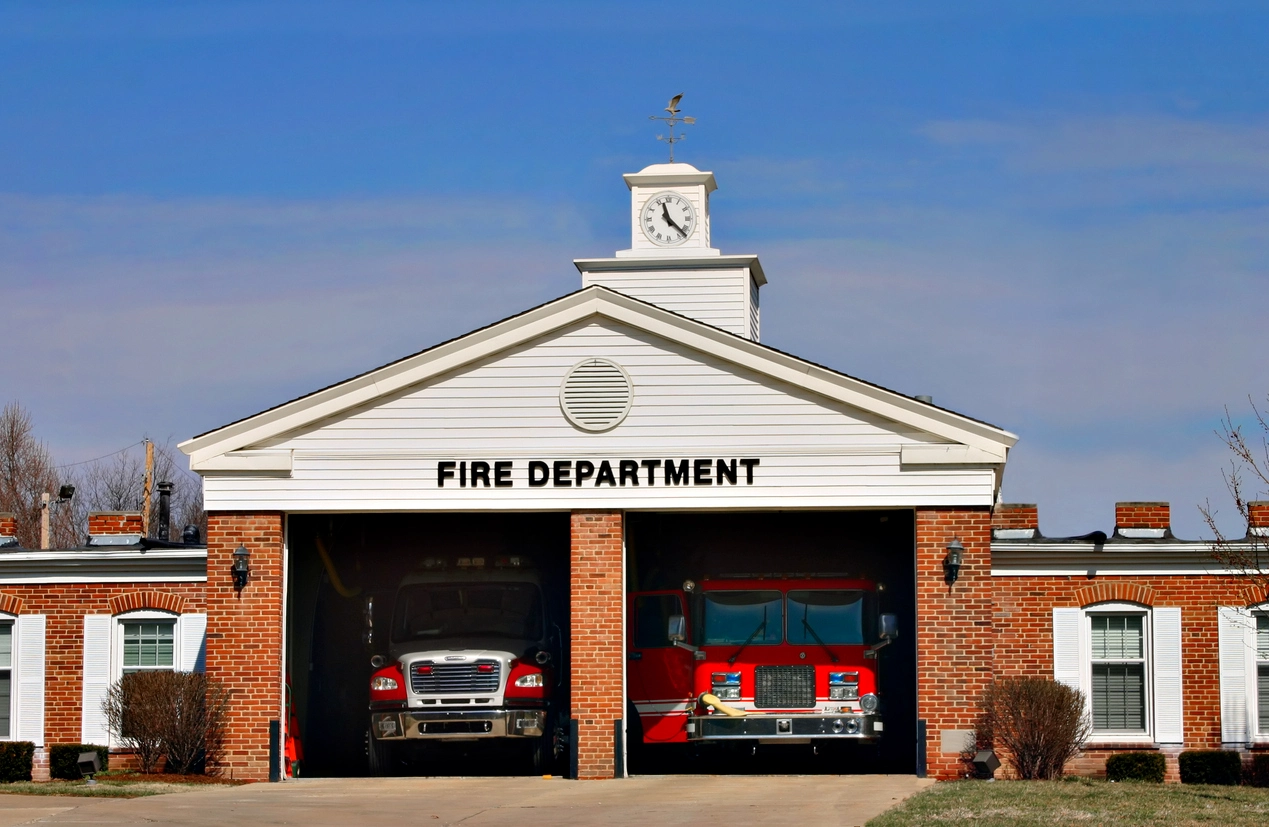
Camera analytics can add visual context and remote awareness when the selected platform supports the application.
Supported analytics may flag image patterns associated with smoke or flame for review.
Camera footage can provide visual context to authorized personnel evaluating an event.
Video may complement other systems in open yards, warehouses, industrial areas, or remote properties.
The camera view and analytics should be evaluated as supplemental monitoring, not as a substitute for required life-safety systems.
Monitor broad operational areas where visual smoke or flame events may be visible to cameras.
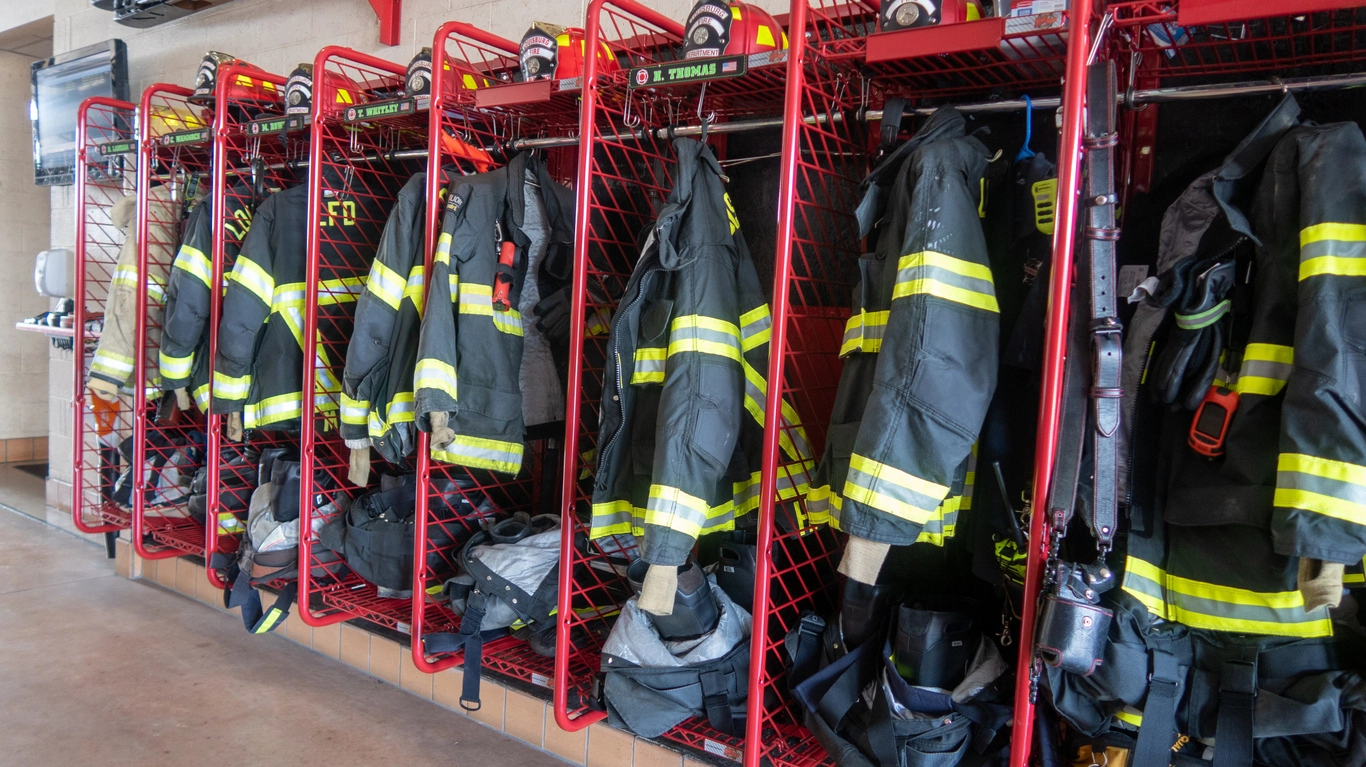
Use cameras to provide visual context around equipment rooms, apparatus areas, and operational spaces.
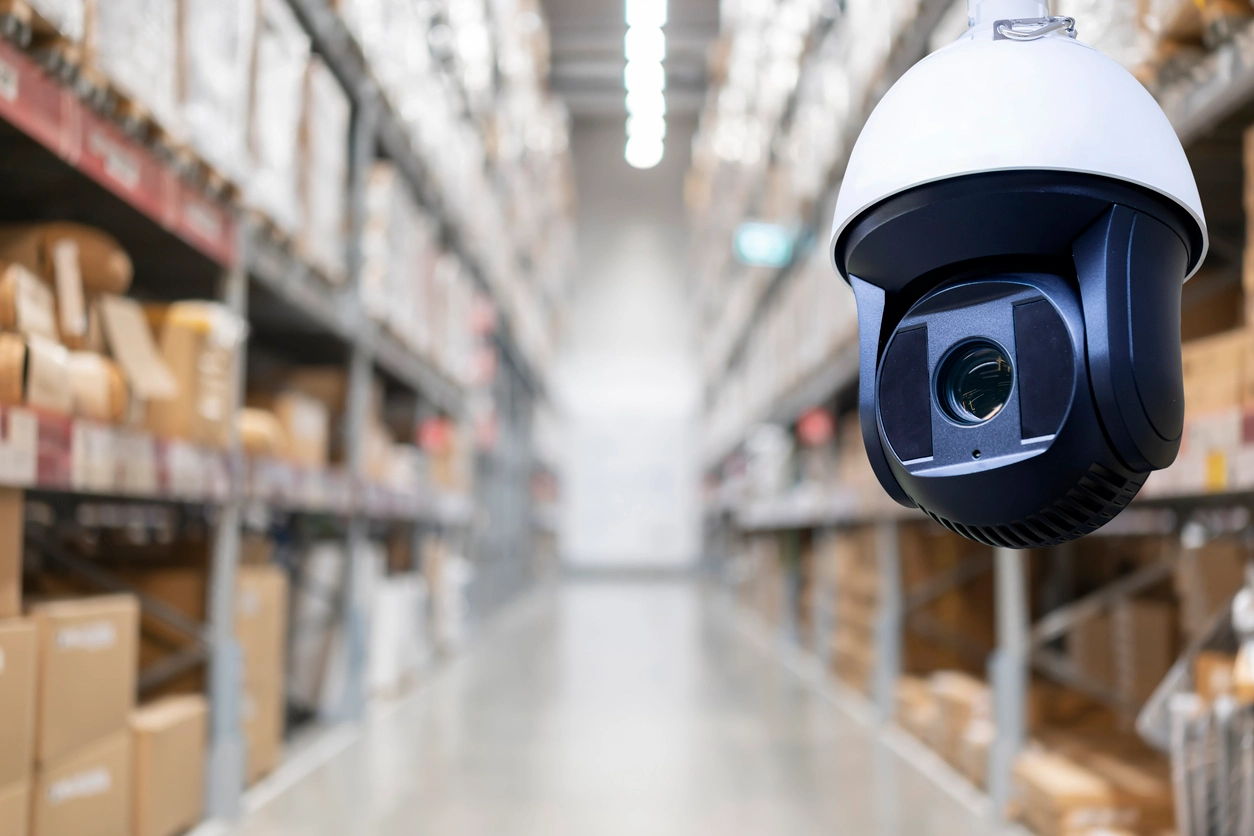
Provide wide-area video coverage around inventory, storage, and material-handling spaces.
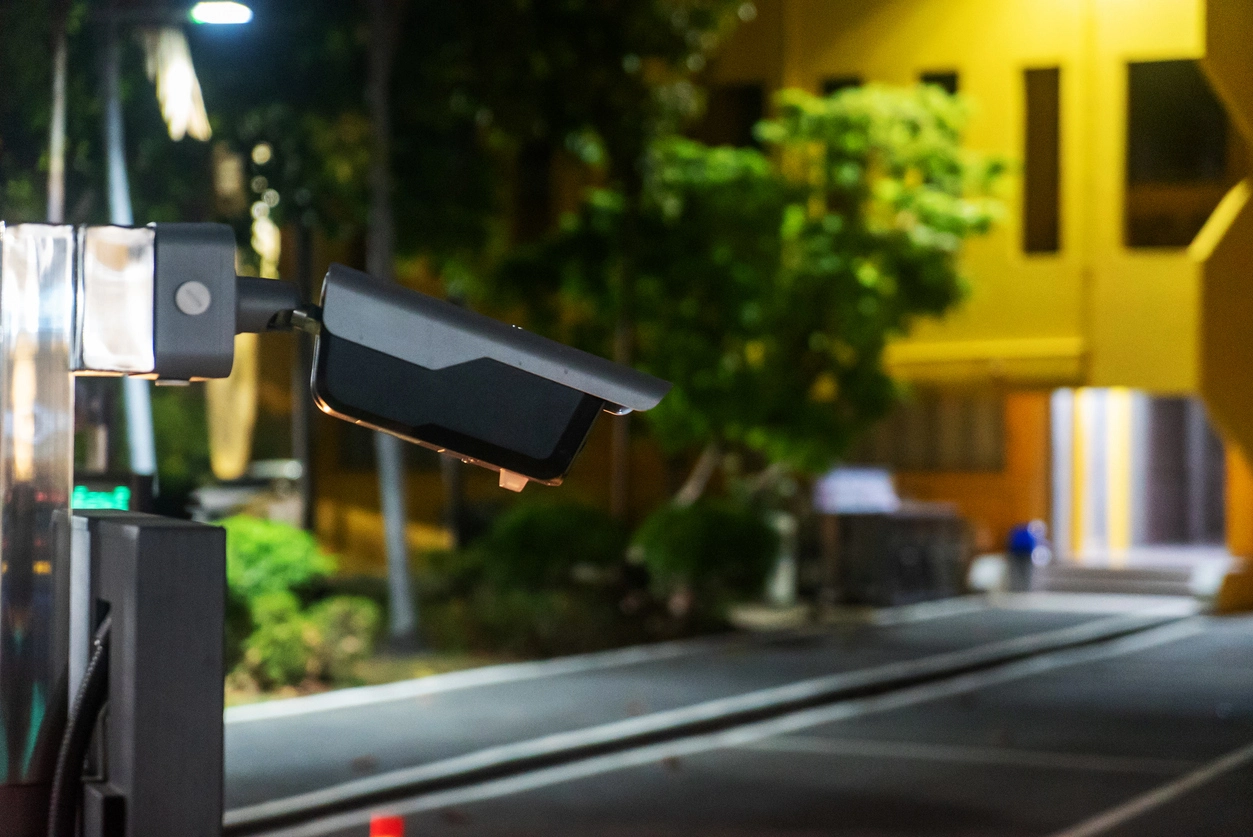
Use outdoor cameras for visual monitoring of yards, utility areas, or low-traffic property zones.
Planning Considerations
Fire detection and notification are life-safety functions with requirements beyond what general security cameras provide.
Organizations should continue to rely on properly designed and maintained fire alarms, smoke detectors, heat detectors, suppression systems, and emergency procedures required for the facility.
Camera-based smoke or flame analytics can provide additional visual information, especially for remote review, but capabilities and limitations must be validated with the manufacturer and integrated responsibly.
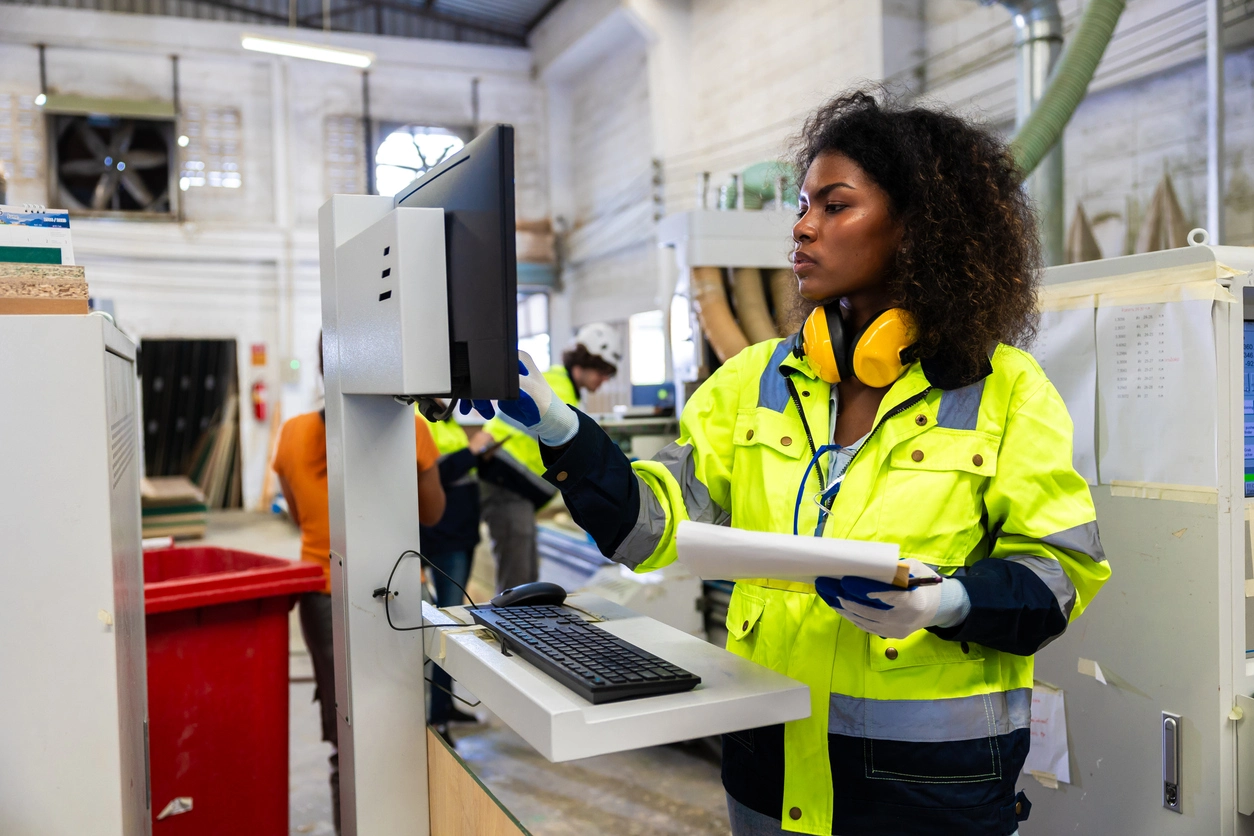
Visible-event analytics depend on the scene and should be integrated with appropriate life-safety procedures.
Confirm whether the platform is designed for visible smoke, flame, heat-related imagery, or another specific event type.
Obstructions, distance, lighting, weather, steam, dust, glare, and process conditions may affect analytics.
Define who reviews a flagged event and how that information relates to existing alarm and emergency procedures.
Do not assume a video-analytics feature satisfies building-code or fire-code requirements for life-safety detection.
Smoke and fire video analytics may be evaluated alongside thermal cameras, remote monitoring, industrial surveillance, and AI video analytics.
Camera-based smoke and fire analytics can add visual event awareness to commercial surveillance systems when used as a supplemental monitoring layer.
Visual analytics may help identify supported smoke or flame patterns in camera footage, particularly in large or remote environments where a camera already provides broad visibility.
These systems have important limitations. Steam, dust, lighting, distance, weather, process emissions, and obstructed views can affect performance, and general security cameras do not replace required life-safety detection systems.
Camera Security Now helps organizations evaluate compatible surveillance cameras, analytics, recording, and remote monitoring while keeping life-safety responsibilities clearly separated.
Get answers to common questions about this security camera solution.
Some commercial video analytics platforms are designed to flag supported visual patterns associated with smoke or flame in compatible camera footage.
No. Video analytics should be treated as supplemental monitoring and do not replace required life-safety detection, alarm, suppression, or emergency systems.
Potential applications include industrial areas, warehouses, outdoor yards, remote sites, or other spaces where broad camera views can provide useful visual context.
Yes. Steam, dust, glare, weather, lighting, process emissions, and other visual conditions may create challenges depending on the platform.
Tell us about the camera environment and monitoring goals. We’ll help you evaluate whether compatible video analytics make sense alongside your existing safety systems.