
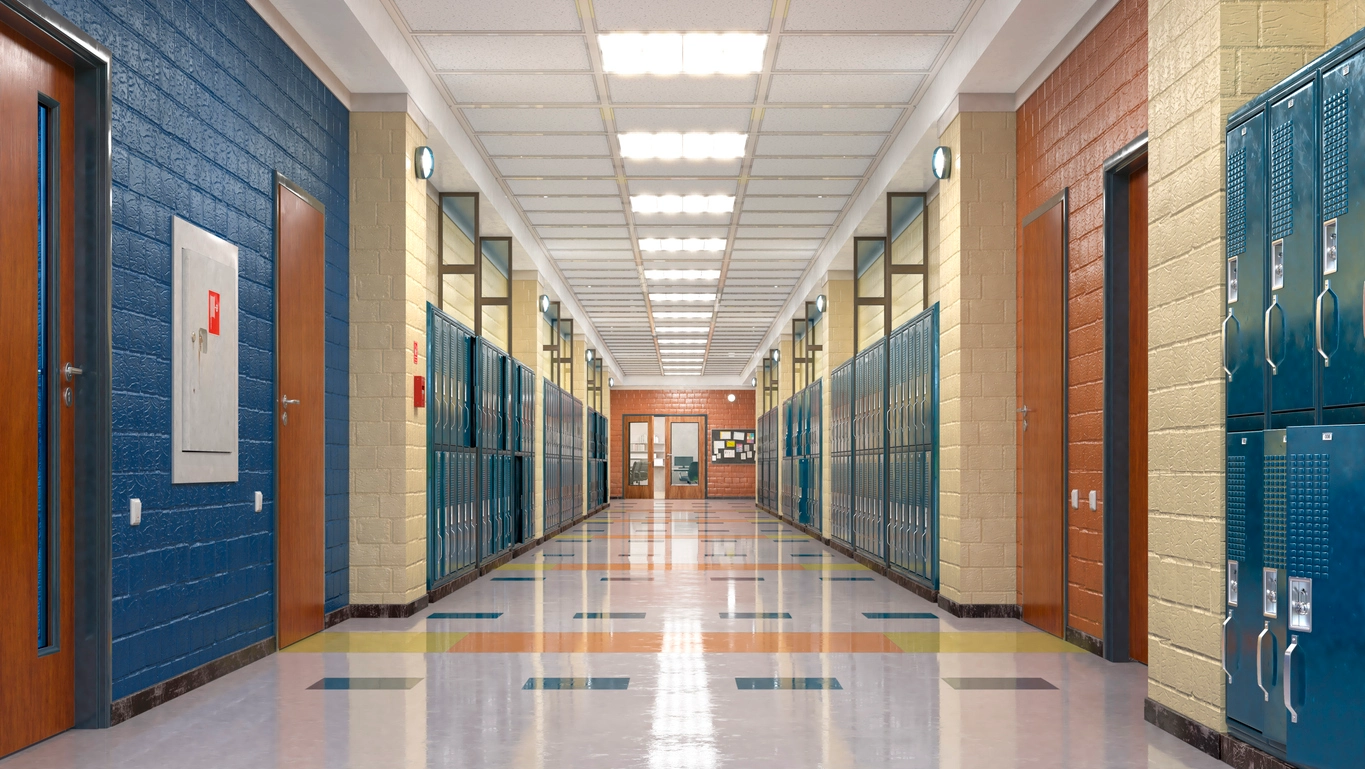
Schools and Campuses
Evaluate coverage around entrances, corridors, common areas, and other selected spaces within an overall school security plan.
AI-Assisted Weapon Detection
Camera Security Now helps organizations evaluate AI-assisted video analytics that may flag supported visible weapon-like objects for authorized review as part of a broader commercial security strategy.
Some commercial video analytics platforms are designed to identify supported visible weapon-like objects in camera footage and create an event for review.
These systems should be treated as one layer of a broader security program rather than a guarantee of detection. Performance can vary with camera angle, object visibility, distance, lighting, occlusion, movement, and the analytics model.
Camera Security Now helps organizations evaluate camera coverage, compatible analytics, notification workflows, recording, access control, and response planning without assuming that AI can replace trained personnel or established emergency procedures.
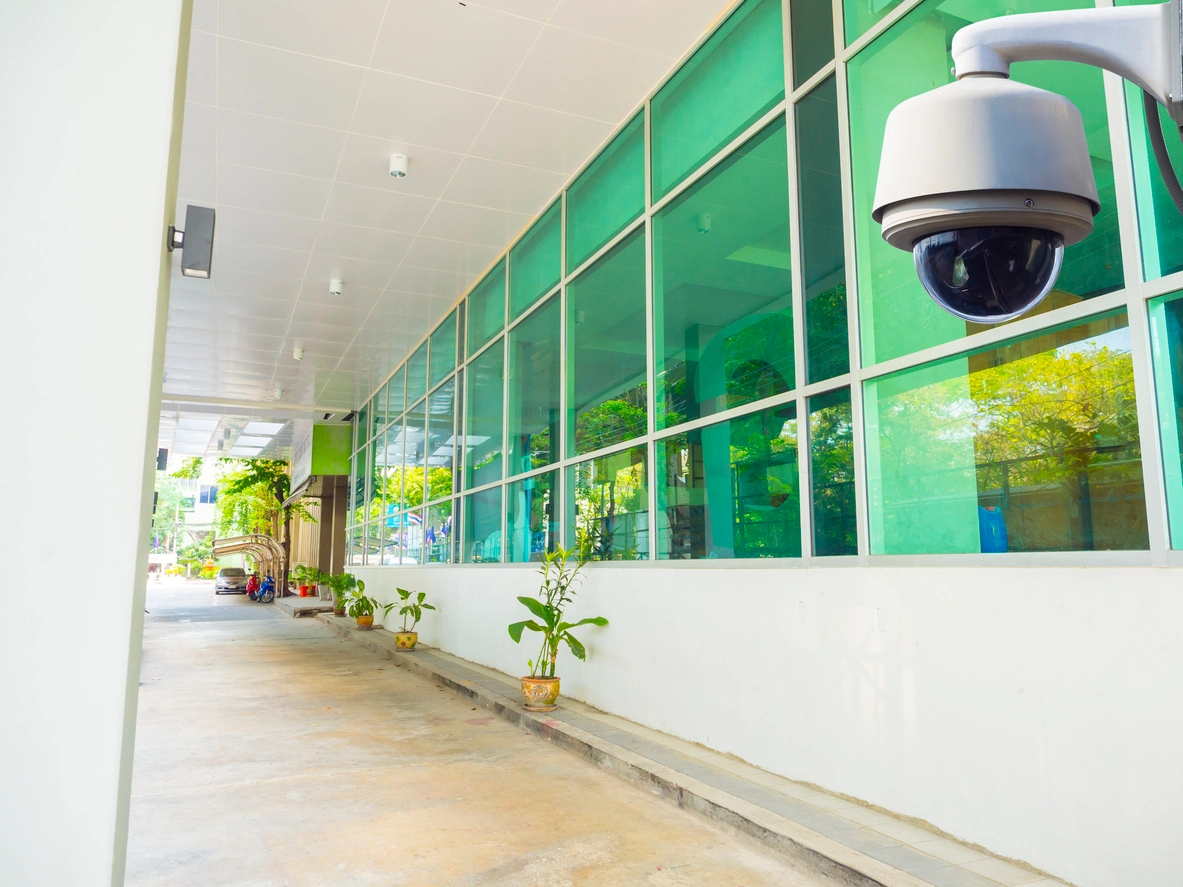
The goal is faster awareness of a potential event, not automatic certainty about what the camera sees.
Supported analytics may create a reviewable event when a visible object matches the platform's trained weapon classes.
Integrated workflows may help authorized personnel review a flagged camera scene sooner.
The associated camera footage can provide context for investigation and post-event review.
Organizations considering this technology should evaluate coverage, privacy, policy, response procedures, and manufacturer limitations.
Evaluate coverage around entrances, corridors, common areas, and other selected spaces within an overall school security plan.
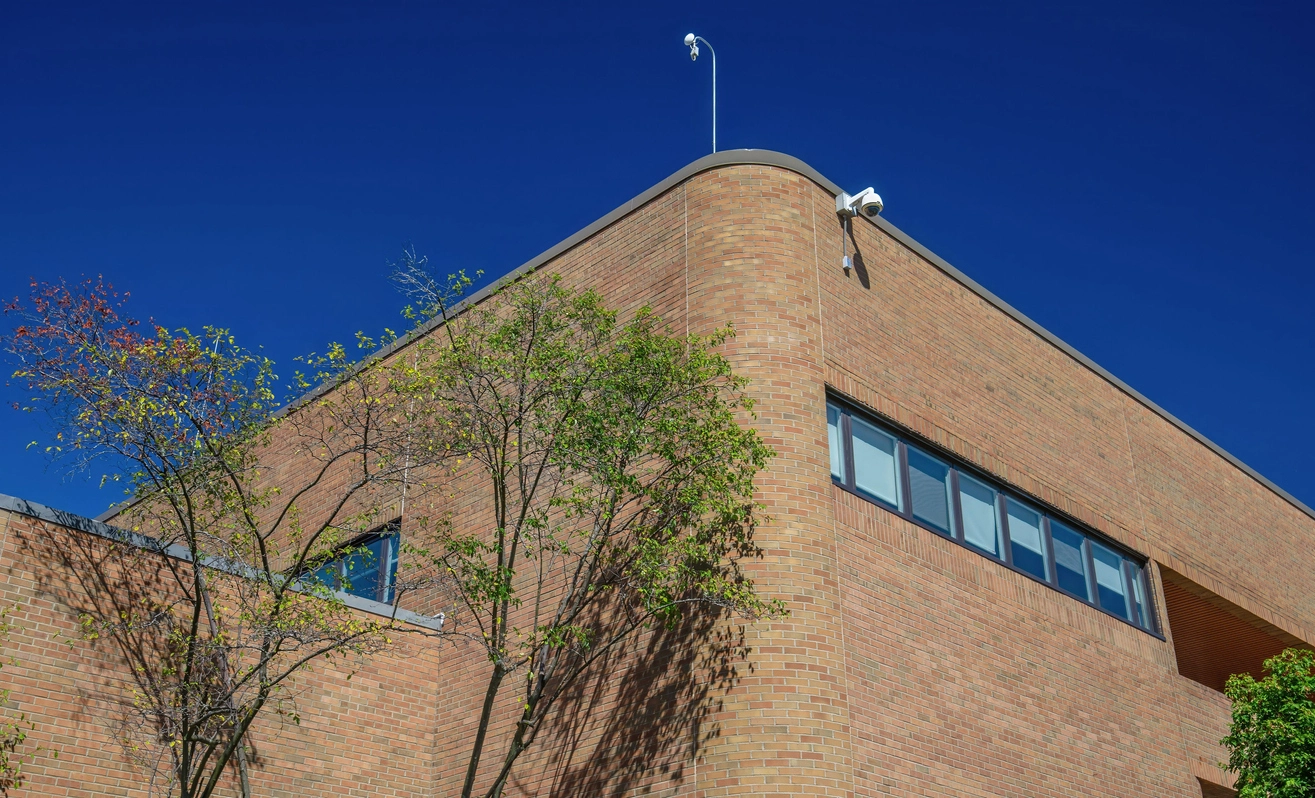
Use compatible analytics as one possible layer within broader public-building surveillance and access-control planning.

Review selected entrances, lobbies, or controlled areas where organizations already use professional surveillance.
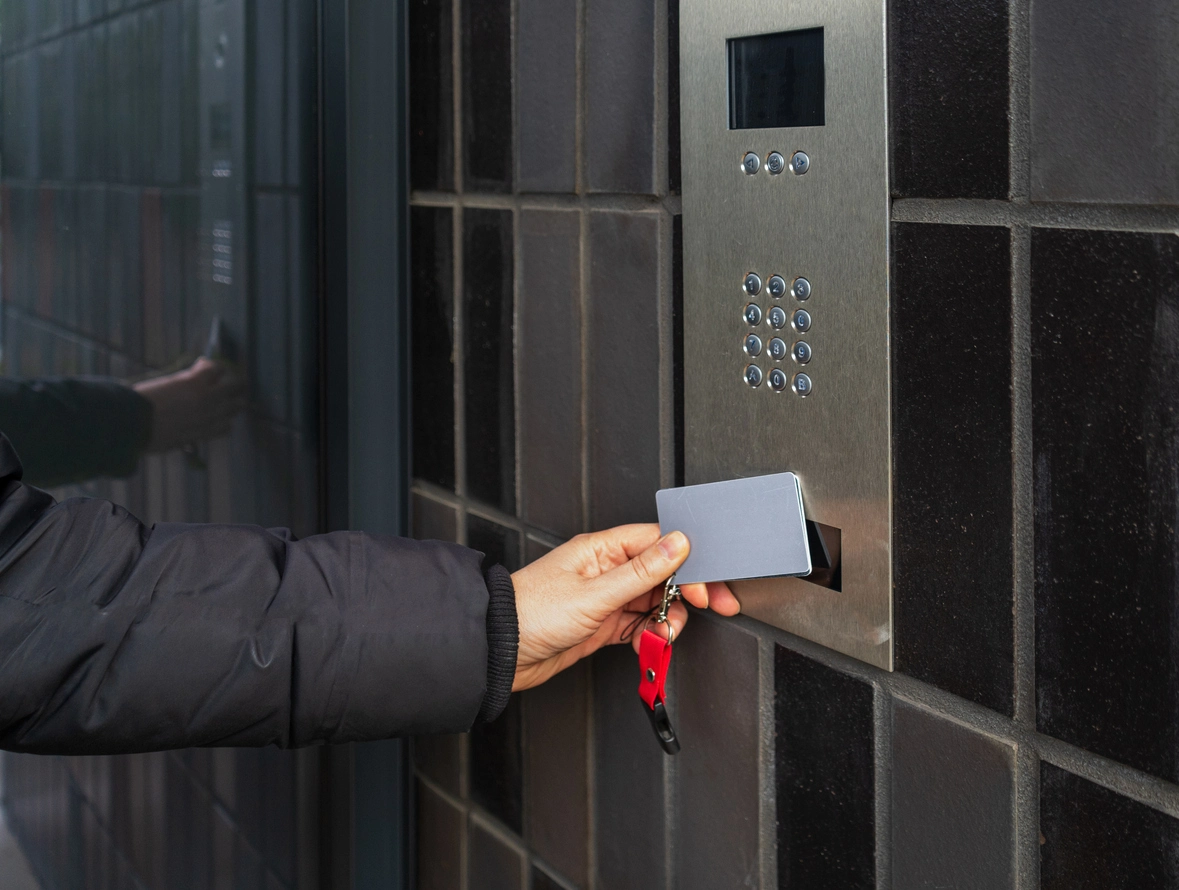
Pair video review with controlled access around sensitive spaces and staff-only zones.
Planning Considerations
A flagged object is not the same as confirmed identification, and a missed object does not mean an area is safe.
Visible-object analytics can be affected by partial obstruction, unusual angles, small objects, poor image quality, low light, crowding, clothing, bags, reflections, and other scene conditions.
Any deployment should include documented response procedures, trained human review, appropriate emergency planning, and an understanding of the selected platform's tested capabilities and limitations.

This type of analytics requires especially careful technical, policy, and response planning.
Confirm exactly what object classes, camera requirements, and environmental conditions the selected platform supports.
Detection requires enough visible detail at the expected distance and angle.
Potential events should be reviewed by authorized personnel according to established procedures.
Organizations should define notification, escalation, documentation, privacy, and emergency-response workflows before deployment.
Weapon-detection analytics may be evaluated alongside AI video analytics, person detection, access control, centralized monitoring, and school or government surveillance.
AI-assisted weapon detection may provide an additional video-review signal when supported visible weapon-like objects appear in compatible camera footage.
Weapon-detection analytics are a specialized application of computer vision. They depend heavily on the camera view and the model's trained capabilities, so organizations should avoid treating the technology as infallible.
The most responsible deployments combine compatible cameras and analytics with clear human-review procedures, access control, emergency planning, recording, and other security measures appropriate to the environment.
Camera Security Now helps organizations evaluate whether a platform fits the intended use case and how it may integrate with the rest of a commercial security system.
Get answers to common questions about this security camera solution.
AI weapon detection is a specialized video analytics capability that may flag supported visible weapon-like objects in compatible camera footage for authorized review.
No. Performance can vary with object visibility, distance, angle, lighting, occlusion, camera quality, and the analytics model. It should not be treated as a guarantee.
No. It should be considered one possible technology layer within a broader security and response program.
Possibly. Compatibility depends on the analytics platform, camera image quality, resolution, frame rate, field of view, network architecture, and licensing.
Tell us about the facility, current cameras, coverage goals, and response workflow. We’ll help you evaluate compatible options and practical limitations.