
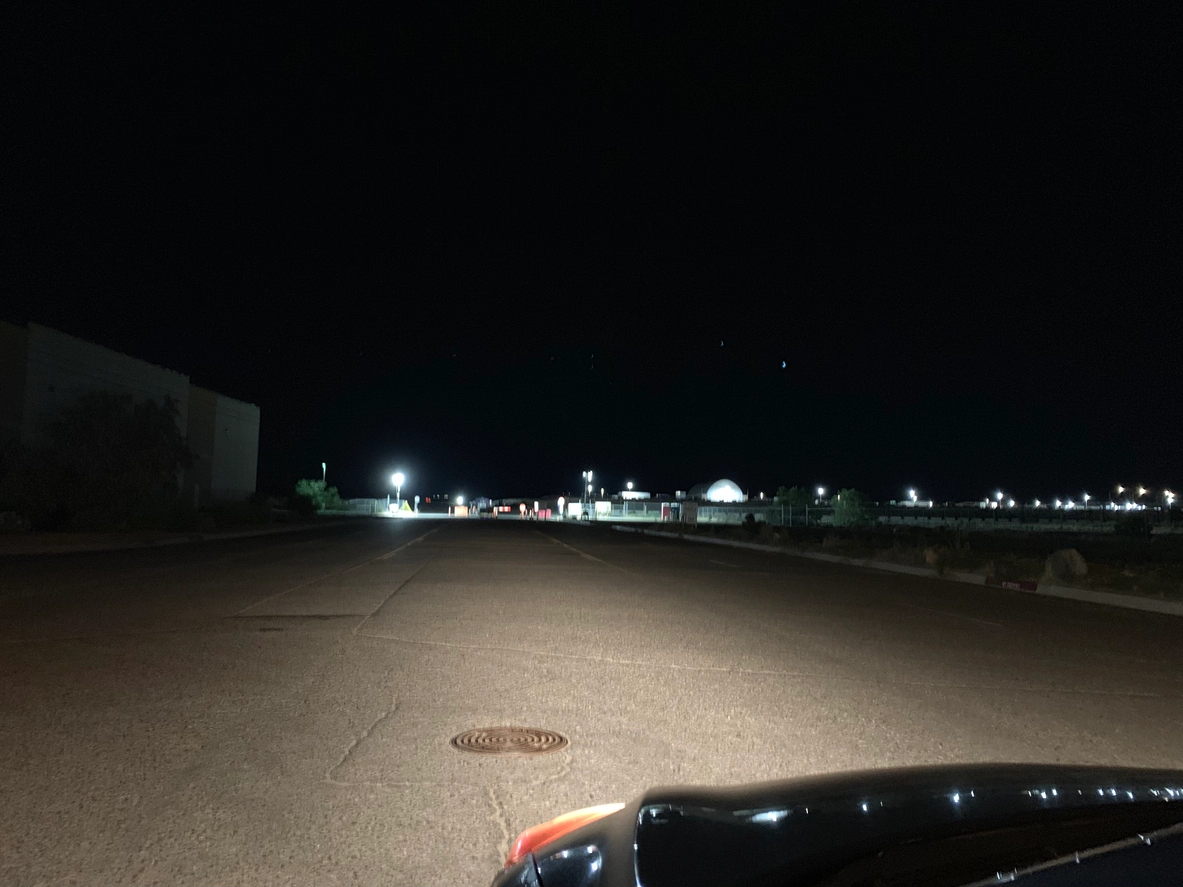
Fence Lines and Perimeters
Monitor dark or remote boundaries where animals and other activity may trigger exterior cameras.
AI Animal Detection
Camera Security Now helps organizations evaluate security camera analytics that can classify supported animal activity and reduce nuisance alerts in outdoor commercial surveillance environments.
Outdoor cameras frequently see wildlife, pets, birds, insects, shadows, vegetation, weather, and other movement that can create nuisance events.
Some AI-enabled cameras and analytics platforms can classify supported animals separately from people and vehicles. This can help organizations filter alerts or understand what actually caused activity in a monitored area.
Animal-classification support varies significantly by manufacturer and model. Camera Security Now helps evaluate whether the selected platform can support the specific outdoor environment and detection goal.
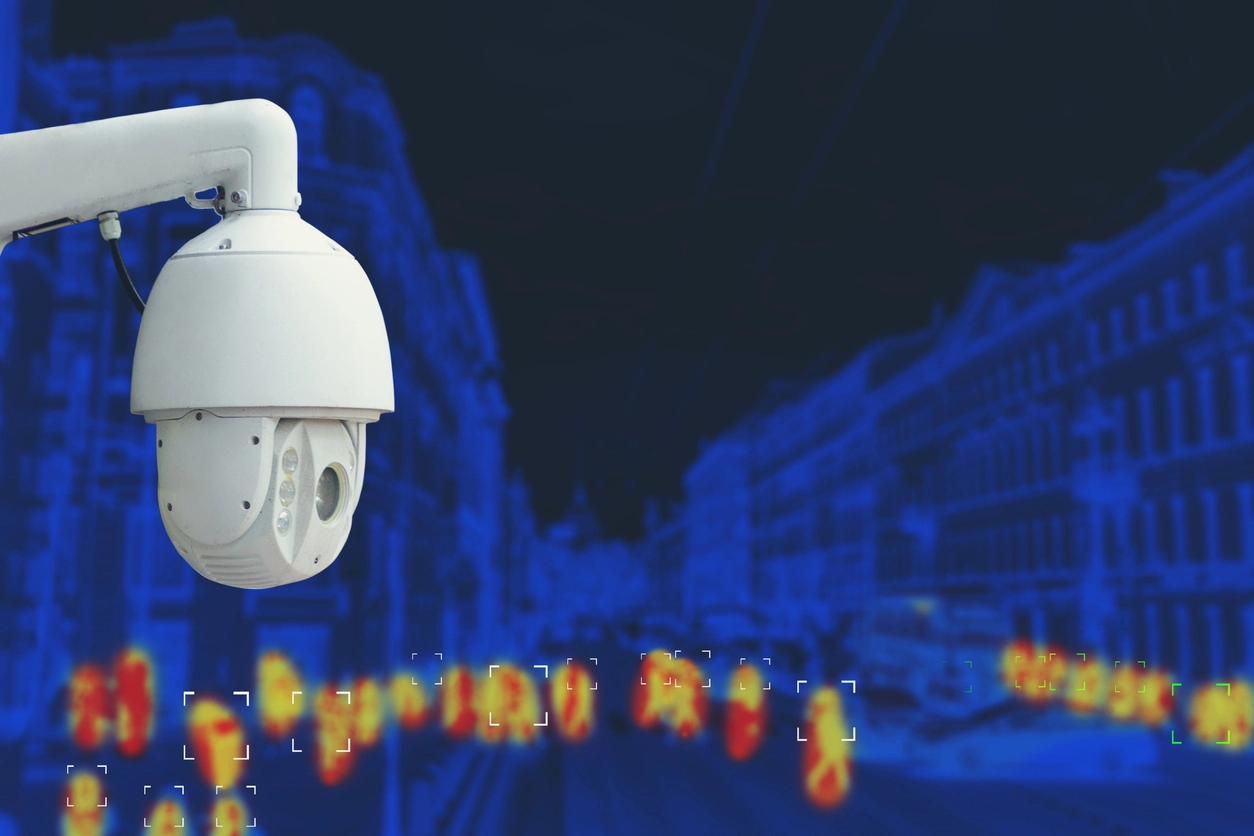
Animal classification can improve outdoor alert quality where wildlife or pets frequently enter camera views.
Filter or categorize supported animal events separately from person and vehicle activity.
Understand whether an exterior event involved a person, vehicle, or supported animal class.
Improve event review at properties where outdoor activity occurs without staff present.
Existing surveillance infrastructure can support animal-classification workflows in outdoor areas where nuisance movement is common.
Monitor dark or remote boundaries where animals and other activity may trigger exterior cameras.
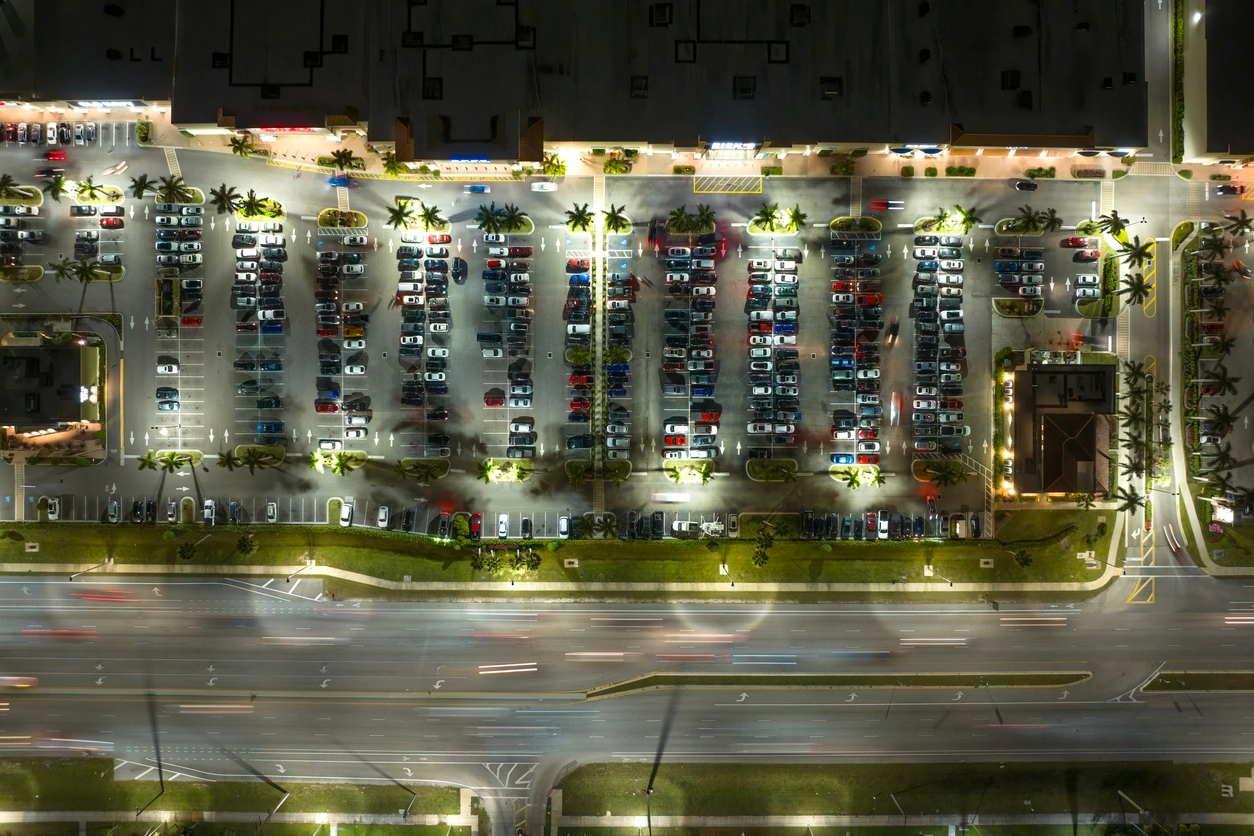
Review outdoor activity around fields, parking areas, walkways, and low-traffic parts of a property.
Use camera coverage in open recreation or landscaped areas where wildlife may enter the scene.
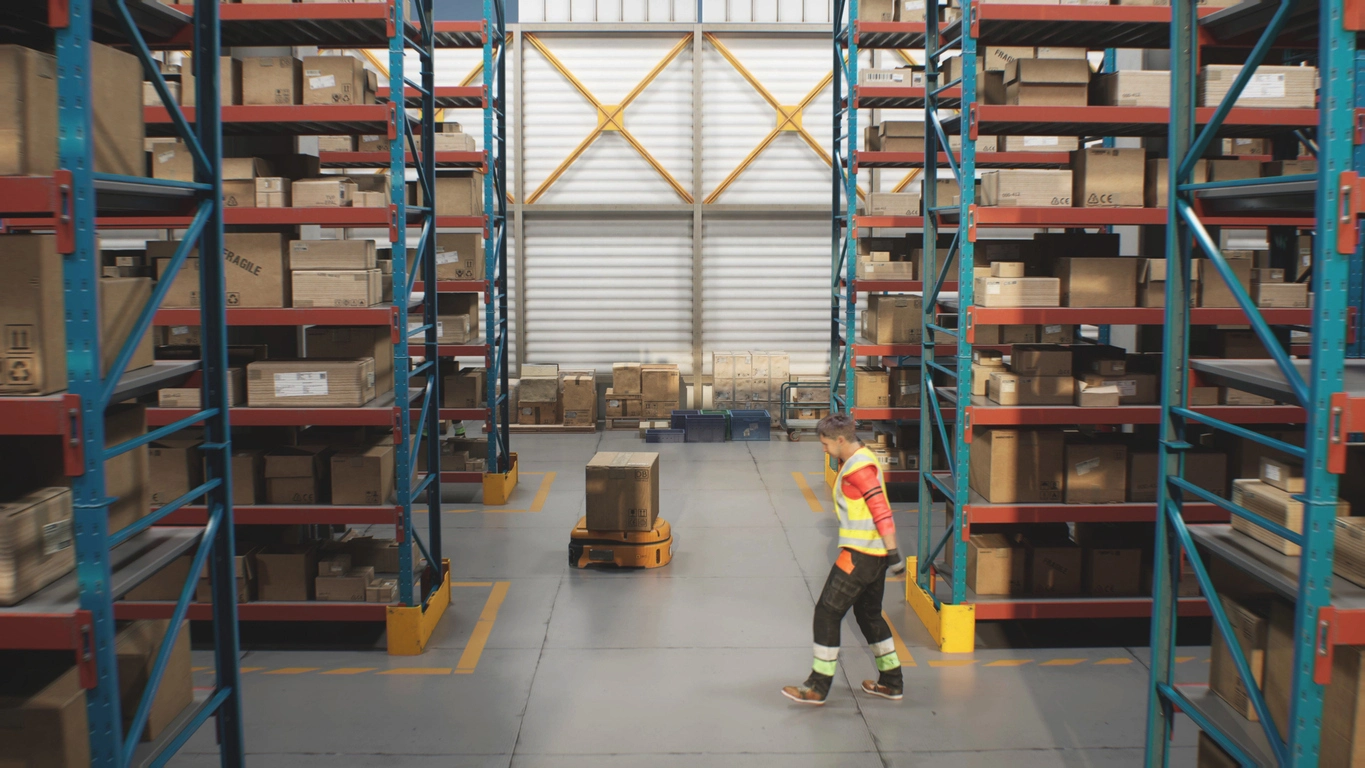
Monitor exterior work areas where wildlife and environmental movement can create nuisance events.
Planning Considerations
There is no universal animal-detection feature across all commercial camera systems.
Some platforms may classify broad categories such as animals, while others support only people and vehicles. A system should not be assumed to recognize specific species unless that capability is documented by the manufacturer.
For dark or remote areas, thermal or infrared cameras may improve detection of activity, but classification capability still depends on the analytics platform and image conditions.
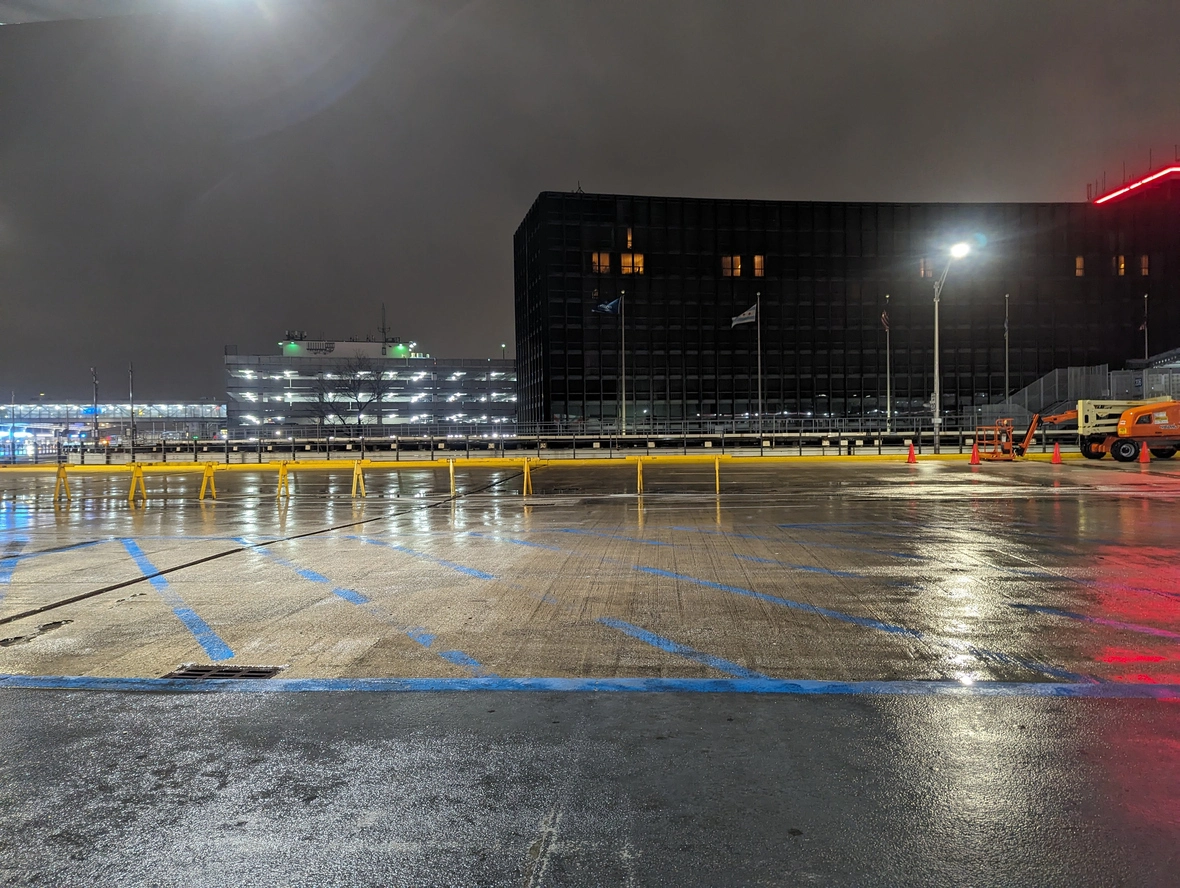
Outdoor classification performance depends on the environment, target size, and selected analytics.
Confirm exactly which animal categories the camera or analytics platform supports.
Small or distant animals may not occupy enough pixels for reliable classification.
Darkness, rain, fog, vegetation, and changing temperatures can affect outdoor detection.
Decide whether animal events should trigger notifications, be filtered out, or simply remain searchable for review.
Animal detection may work alongside thermal cameras, infrared surveillance, perimeter analytics, object detection, and remote monitoring.
Animal detection can help organizations reduce outdoor nuisance alerts and better classify events around large or remote properties.
Wildlife and other animals can create frequent motion events around campuses, yards, utility sites, industrial properties, parks, construction areas, and other outdoor locations. Supported AI analytics can help distinguish some of those events from people and vehicles.
The exact capability must be verified for the selected platform. Some cameras classify animals broadly, while others may not support animal classes at all. Scene design, distance, lighting, weather, and image quality also affect performance.
Camera Security Now helps organizations evaluate outdoor camera types and analytics so detection rules match the real environment instead of relying on unsupported assumptions.
Get answers to common questions about this security camera solution.
Some AI-enabled security cameras and analytics platforms can classify supported animal activity. Capabilities vary by manufacturer, camera model, software, and scene.
It can help when a platform allows animal events to be filtered or treated differently from person and vehicle events.
Not necessarily. Many systems support only broad object classes. Specific species recognition should never be assumed unless the manufacturer documents it.
Thermal cameras can improve detection of heat signatures in darkness, but whether the system classifies an animal depends on the analytics platform and configuration.
Tell us where wildlife or animal activity is creating nuisance events. We’ll help you evaluate realistic camera and analytics options.