
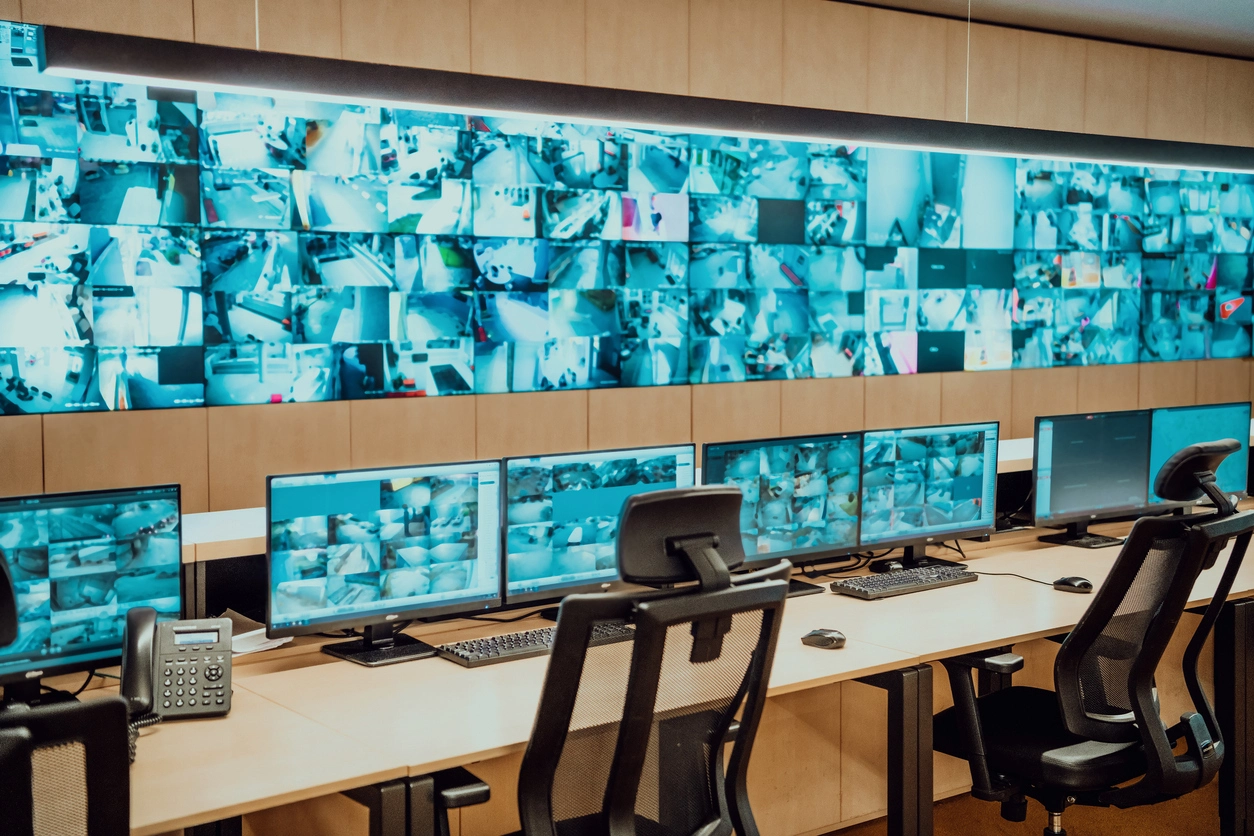
Retail and Franchise Networks
Manage cameras, users, alerts, and remote viewing across many stores or restaurants.
Cloud-Managed Video Surveillance
Camera Security Now helps organizations evaluate cloud video management platforms that provide secure remote administration, camera access, alerts, analytics, search, and multi-site visibility through cloud-connected surveillance systems.
Cloud video management moves some or all surveillance management functions into a hosted platform. Depending on the system, users may manage cameras, permissions, alerts, analytics, health status, recorded footage, or multiple sites without relying on a single local workstation.
Cloud-managed does not always mean that every second of video is stored only in the cloud. Many commercial systems use local camera or recorder storage together with cloud-based management, creating a hybrid architecture.
This approach can simplify multi-location administration, software access, remote viewing, system health monitoring, and user management, but it also introduces subscription, bandwidth, retention, cybersecurity, and internet-dependency considerations.
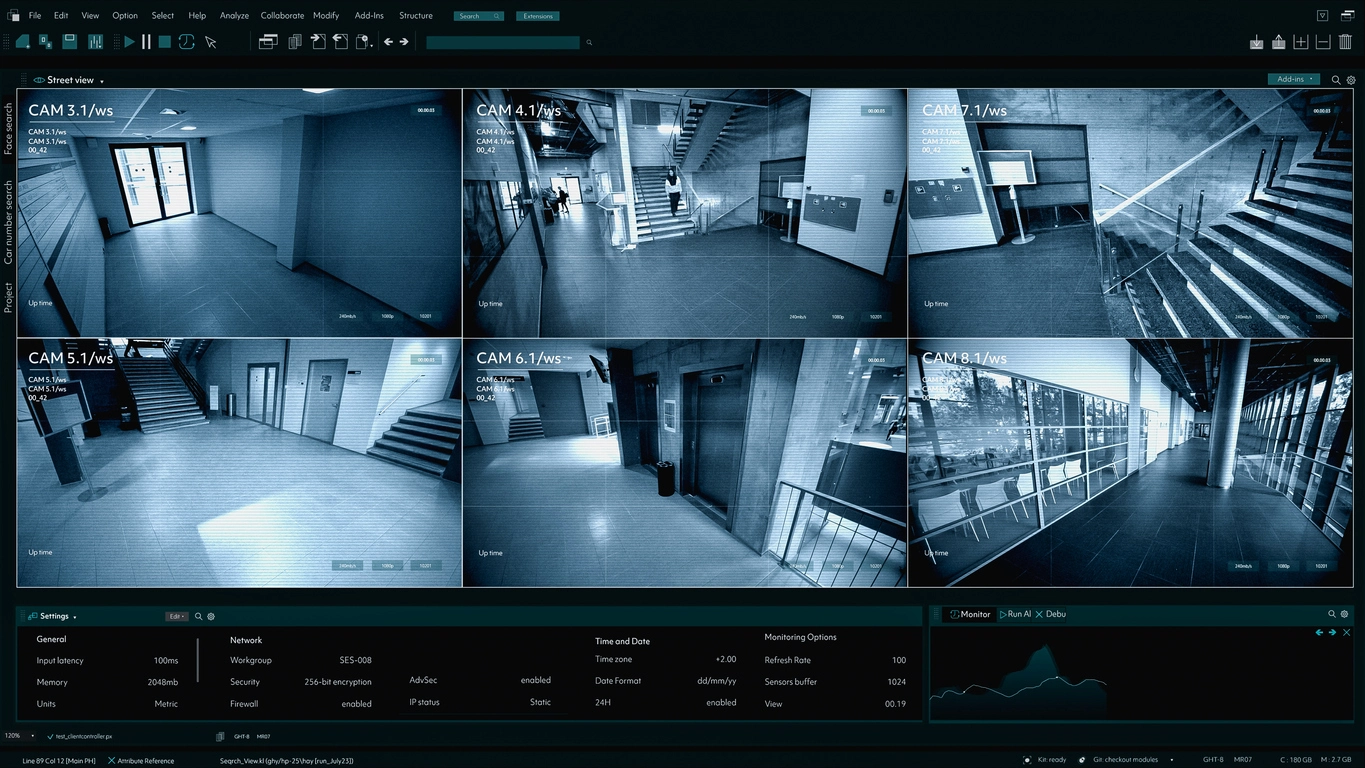
Cloud management can reduce the amount of site-by-site administration required for distributed camera systems.
Manage supported cameras, users, sites, permissions, alerts, and settings through one cloud-connected platform.
Give approved users secure access to live or recorded video from supported browsers, apps, and mobile devices.
Add locations and users without building a separate management workflow at every property.
Cloud-managed surveillance is especially useful for organizations responsible for multiple sites or distributed users.
Manage cameras, users, alerts, and remote viewing across many stores or restaurants.
Support camera access and administration at properties without dedicated on-site security staff.
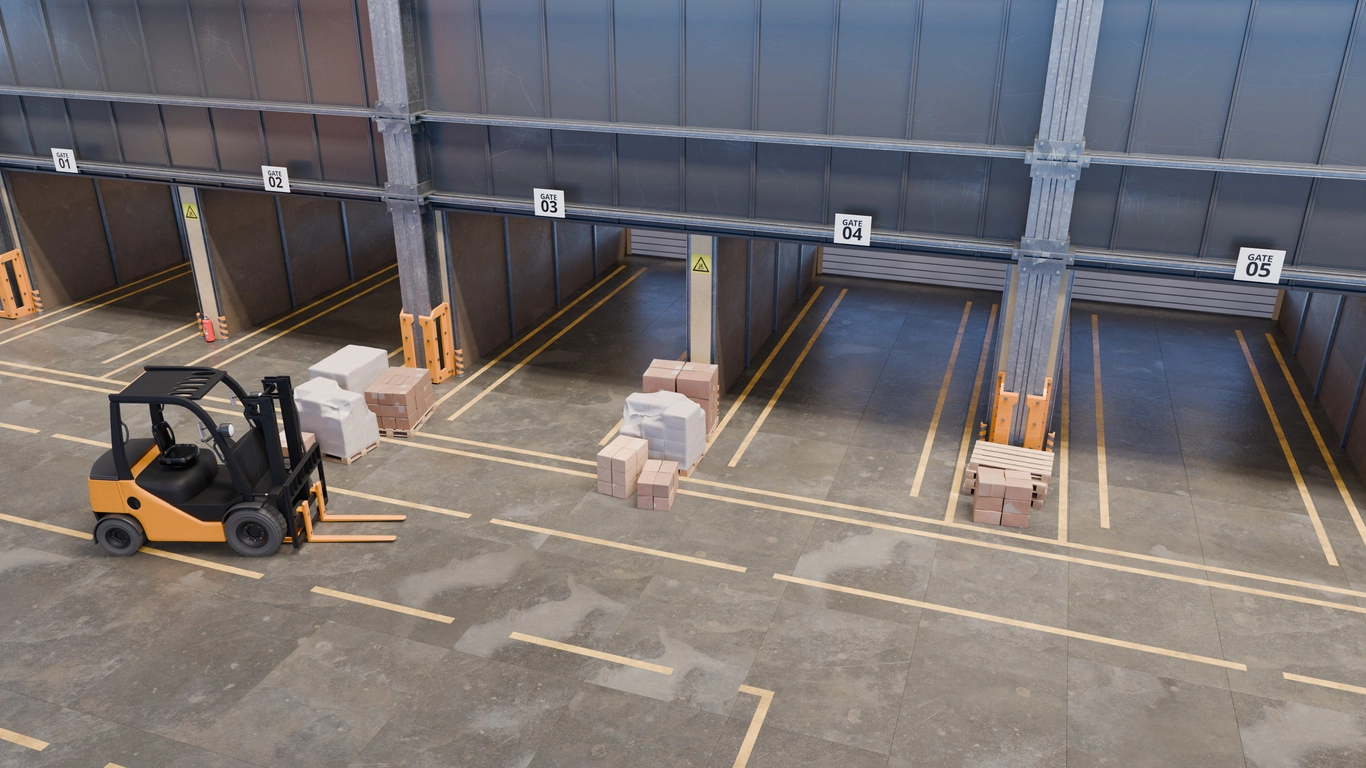
Centralize visibility across docks, yards, inventory areas, entrances, and multiple logistics properties.

Provide regional or corporate teams with approved access to cameras across different buildings and geographic locations.
Planning Considerations
Commercial surveillance platforms can use local recording, cloud recording, edge storage, or hybrid combinations.
A hybrid system may retain primary video locally on an NVR, appliance, or camera while using the cloud for management, user authentication, health monitoring, alerts, analytics, or selected clips.
Organizations should understand where video is stored, how long it is retained, what happens during an internet outage, how much bandwidth is required, and which functions depend on the cloud service.

Cloud-managed surveillance should be evaluated around architecture, subscription costs, bandwidth, retention, cybersecurity, and business continuity.
Confirm whether video is stored locally, in the cloud, at the camera edge, or through a hybrid combination.
Understand which live, playback, upload, analytics, and management functions depend on internet connectivity.
Cloud platforms may use recurring per-camera, per-site, storage, analytics, or service licensing.
Review authentication, encryption, user permissions, retention, data location, updates, audit logs, and organizational access policies.
Cloud video management works closely with VMS software, centralized management, remote access, mobile viewing, smart search, and video storage.
Cloud video management gives businesses another architecture option for administering cameras, users, alerts, analytics, and multiple locations.
Cloud-managed camera systems can make remote administration and multi-site visibility easier by moving management functions into a hosted platform that approved users can access from supported devices.
The underlying recording architecture varies. Some systems store video primarily in the cloud, while others use local NVRs, appliances, edge storage, or hybrid designs with cloud management layered on top.
Camera Security Now helps organizations compare cloud-managed, local, and hybrid surveillance architectures based on camera count, retention, bandwidth, remote access, analytics, cybersecurity, subscription cost, and operational requirements.
Get answers to common questions about this security camera solution.
Cloud video management uses a hosted platform to manage some or all security camera functions such as users, sites, live viewing, playback, alerts, analytics, system health, and administration.
Not necessarily. Many commercial systems use hybrid designs that keep video locally while using cloud services for management, remote access, alerts, analytics, or selected storage.
The answer depends on the architecture. Systems with local or edge recording may continue recording during an outage, while cloud-dependent viewing, management, or uploads may be temporarily unavailable.
Many cloud-managed platforms use recurring licensing or subscriptions, but pricing models vary by manufacturer, camera count, features, analytics, retention, and storage.
Tell us how many locations, cameras, users, and retention requirements you have. We’ll help you compare cloud, local, and hybrid video management options.