
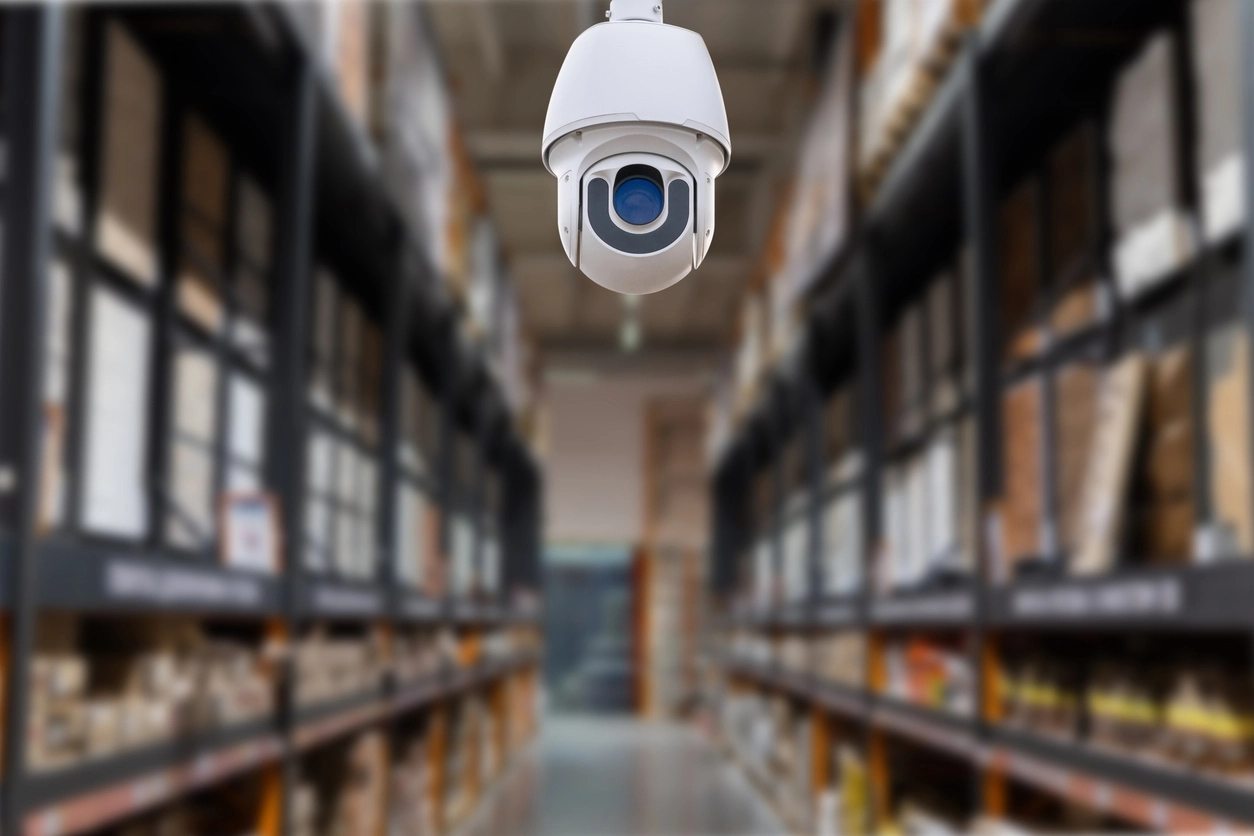
Retail Investigations
Narrow footage around customer, employee, vehicle, or point-of-sale related incidents.
AI-Assisted Video Investigation
Camera Security Now helps organizations evaluate smart search capabilities that use supported video metadata and event classifications to narrow recorded surveillance footage faster.
Traditional playback often requires users to choose a camera and manually scrub through a timeline until they find the incident. That can be slow when the event time is uncertain or many cameras are involved.
Smart search can use supported metadata such as person events, vehicle events, object classes, analytics rules, camera locations, time ranges, or other indexed event information to narrow the footage.
The exact search tools vary significantly by manufacturer, recorder, VMS, cloud platform, analytics licensing, and camera capability, so the system should be evaluated around the investigations users actually need to perform.
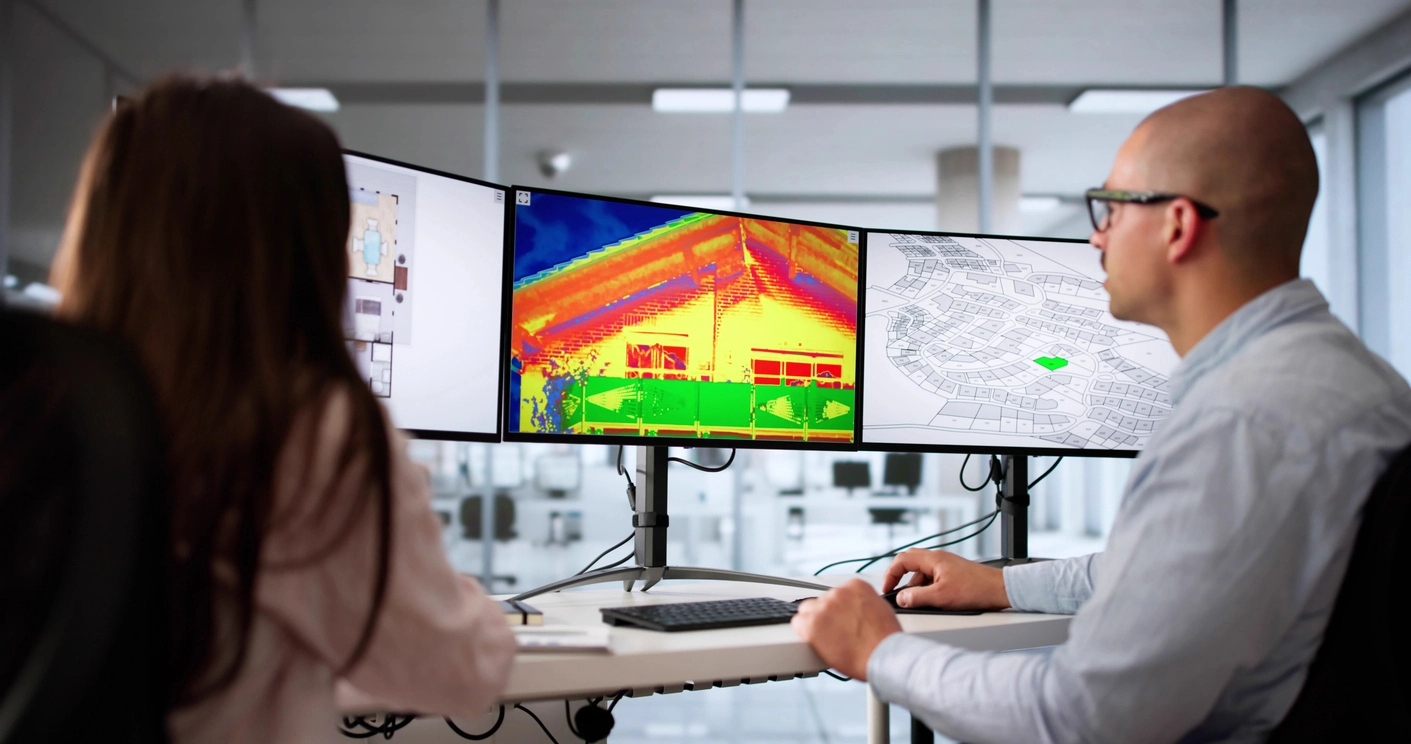
Searchable event metadata can shorten the path from incident report to useful video evidence.
Narrow recorded footage by supported event type, time, camera, or object class.
Selected platforms can help users search activity across more than one camera or location.
Spend less time reviewing uneventful footage when meaningful events are already indexed.
Smart search is valuable whenever users know something about an incident but do not know the exact camera or timestamp.
Narrow footage around customer, employee, vehicle, or point-of-sale related incidents.
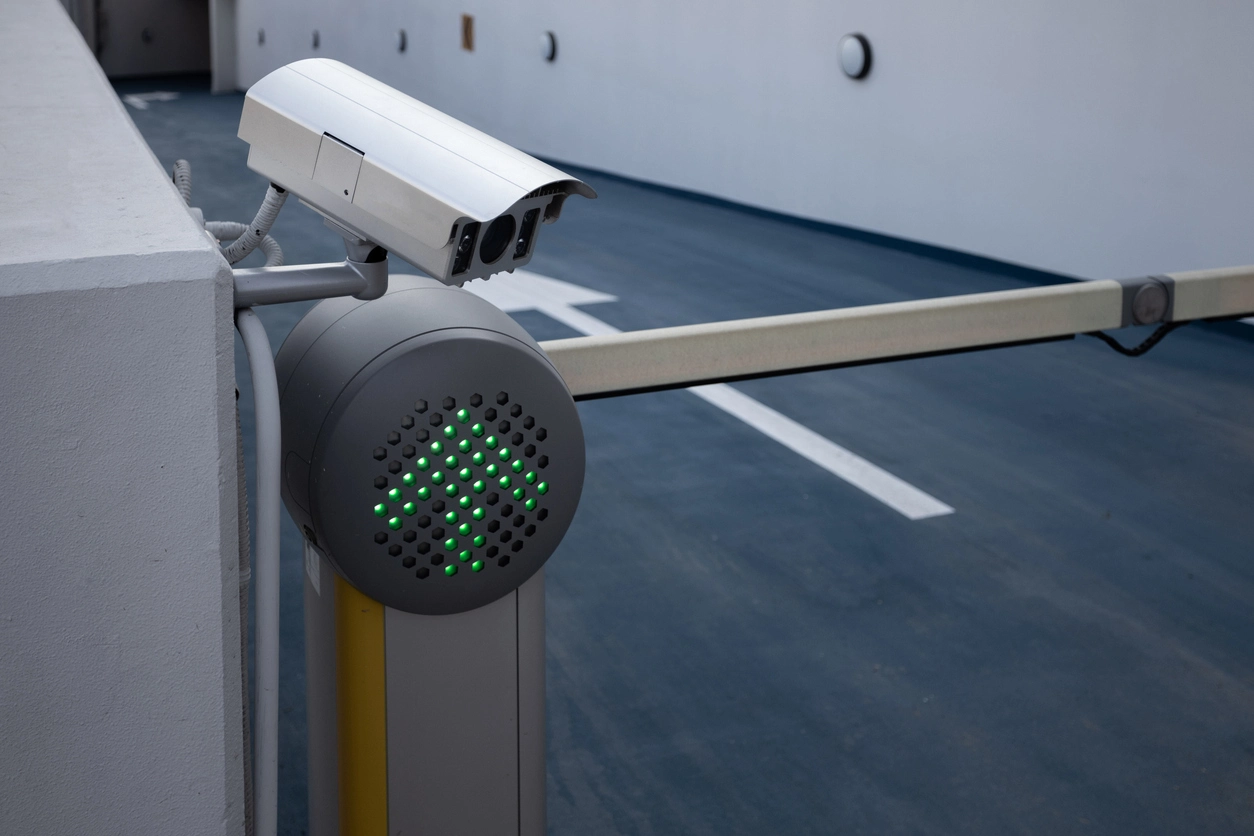
Search vehicle or person events around a reported time window or location.
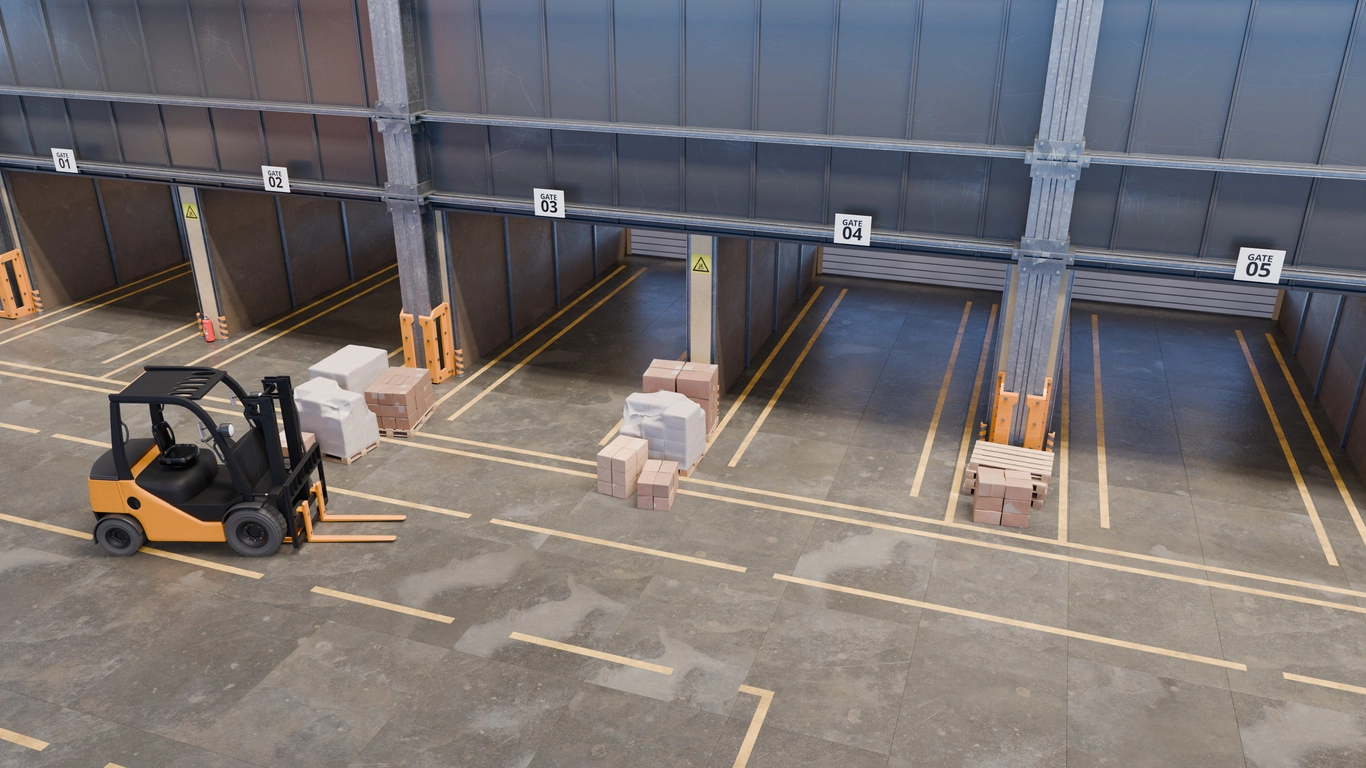
Find activity around aisles, docks, inventory zones, or restricted areas more efficiently.
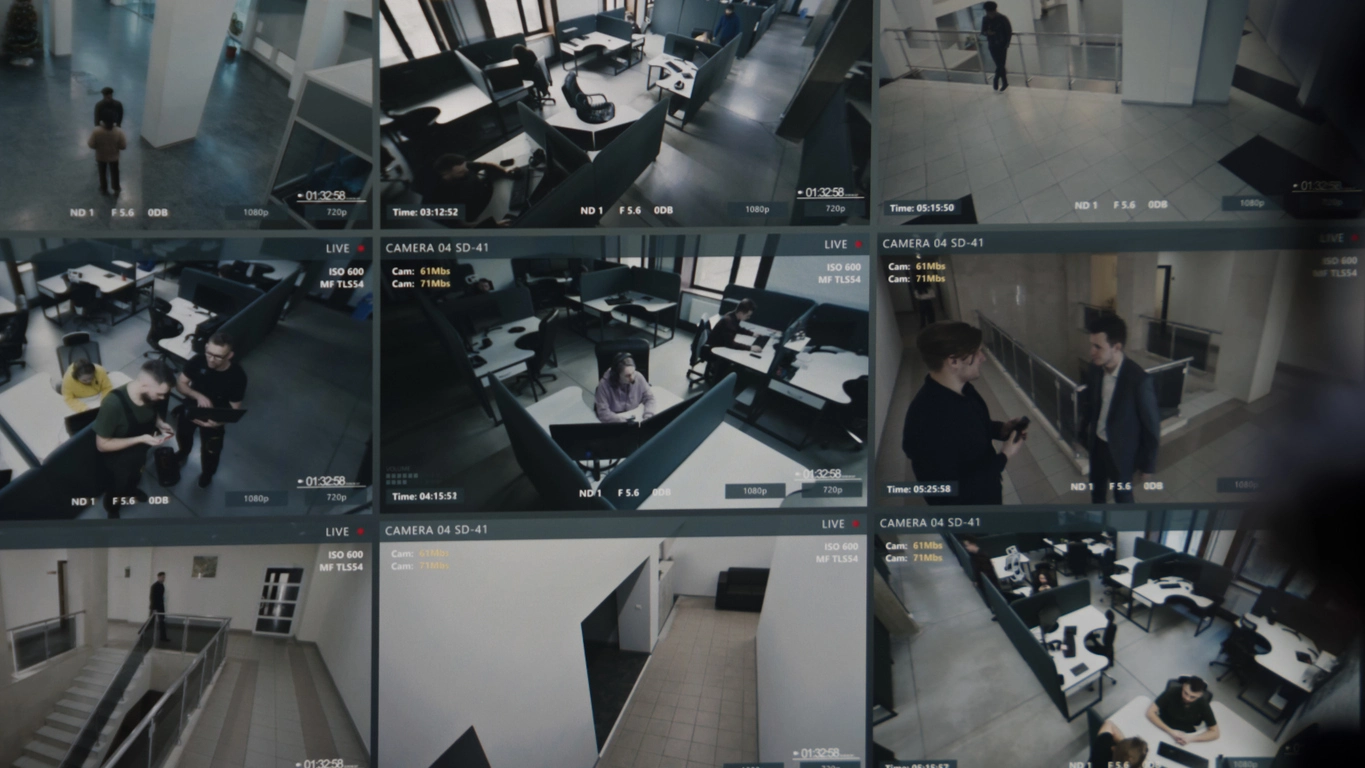
Use centralized tools to narrow events across branches, stores, campuses, or other managed locations.
Planning Considerations
A search interface can only retrieve metadata that cameras, recorders, analytics, or the VMS created in the first place.
A platform that indexes person and vehicle events may support different searches than one that also indexes license plates, object classes, line crossing, occupancy, or other analytics.
Organizations should evaluate search requirements before selecting the platform, especially when investigation speed is an important operational goal.

Search performance depends on metadata quality, platform capability, retention, and how users investigate incidents.
Confirm which people, vehicles, objects, plates, events, or rules the platform can actually search.
Search is only useful while the associated footage and metadata remain available.
Consistent camera names, locations, and site groups make cross-camera investigations easier.
Search access should follow the same security and privacy controls as recorded video.
Smart search works closely with event filtering, centralized management, object detection, person detection, vehicle detection, and video storage.
Smart search uses searchable event metadata to help users move from a broad recording archive to relevant footage faster.
Modern surveillance platforms can attach structured metadata to video events, allowing authorized users to search by more than just date and camera name.
Search capabilities vary by manufacturer, but may include people, vehicles, plates, analytics events, zones, locations, or other indexed attributes.
Camera Security Now helps organizations evaluate smart search, retention, recording, centralized management, analytics, and user workflows so recorded video is easier to investigate.
Get answers to common questions about this security camera solution.
Smart search uses supported video metadata and event classifications to help users narrow recorded footage by criteria such as time, camera, person events, vehicle events, objects, or analytics rules.
No. Available search tools depend on the camera, recorder, VMS, cloud platform, analytics, and software licensing.
Some systems can search person-related metadata, appearance attributes, or facial-recognition records, but capabilities and privacy implications vary significantly by platform.
Not always. Some analytics run on cameras, while others run on recorders, servers, or cloud platforms. The system architecture determines where searchable metadata is created.
Tell us how your team currently searches footage and what types of incidents take the longest to find. We’ll help you evaluate practical smart-search capabilities.