
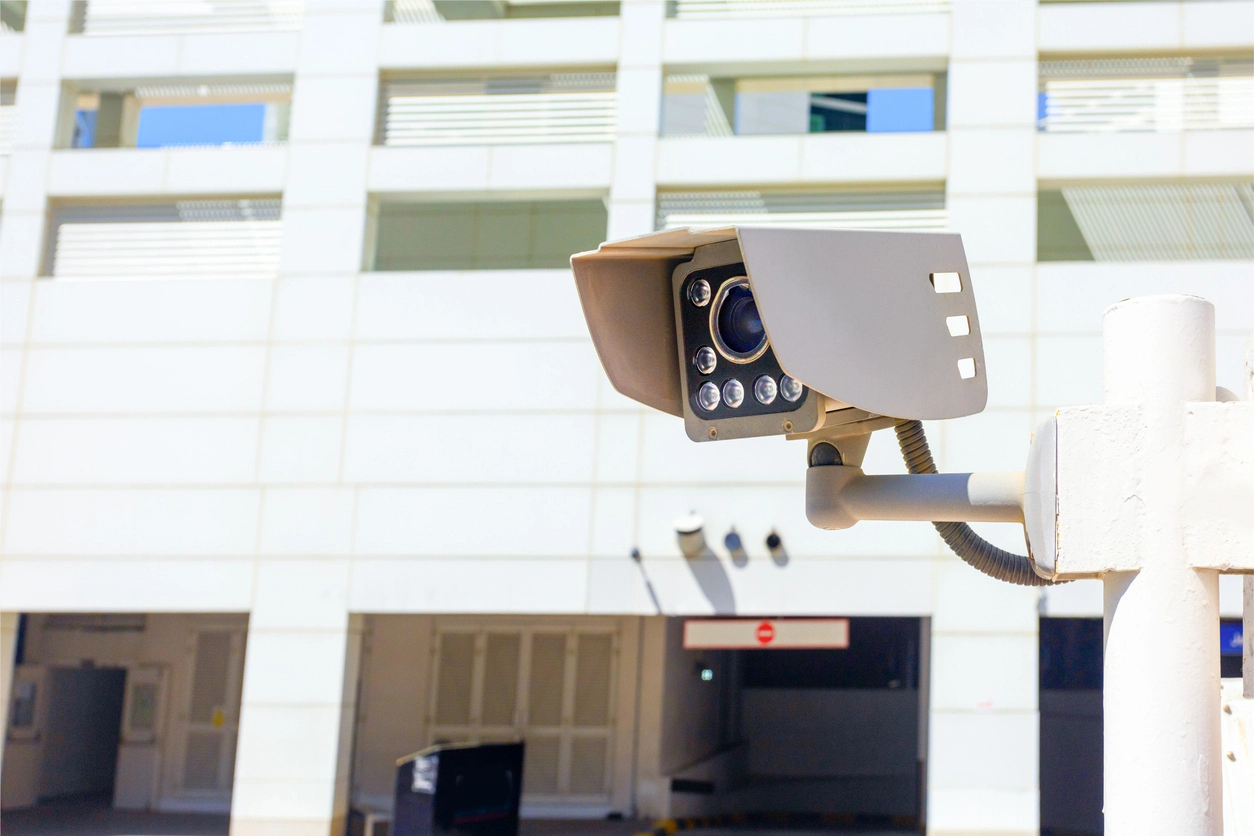
Business Entrances
Monitor people remaining near doors, vestibules, or customer entrances longer than expected.
AI Loitering Detection
Camera Security Now helps organizations evaluate AI loitering detection security cameras that identify supported person activity when someone remains in a monitored area longer than a configured dwell time.
Loitering detection adds time to the analytics rule. Rather than creating an event the moment a person appears, supported systems can monitor whether someone remains within a defined zone longer than expected.
This can be useful around entrances, vestibules, parking areas, loading zones, lobbies, ATMs, restricted spaces, and other locations where prolonged presence may deserve review.
Loitering analytics should be configured carefully so normal customers, employees, visitors, deliveries, and routine waiting behavior do not create excessive alerts.
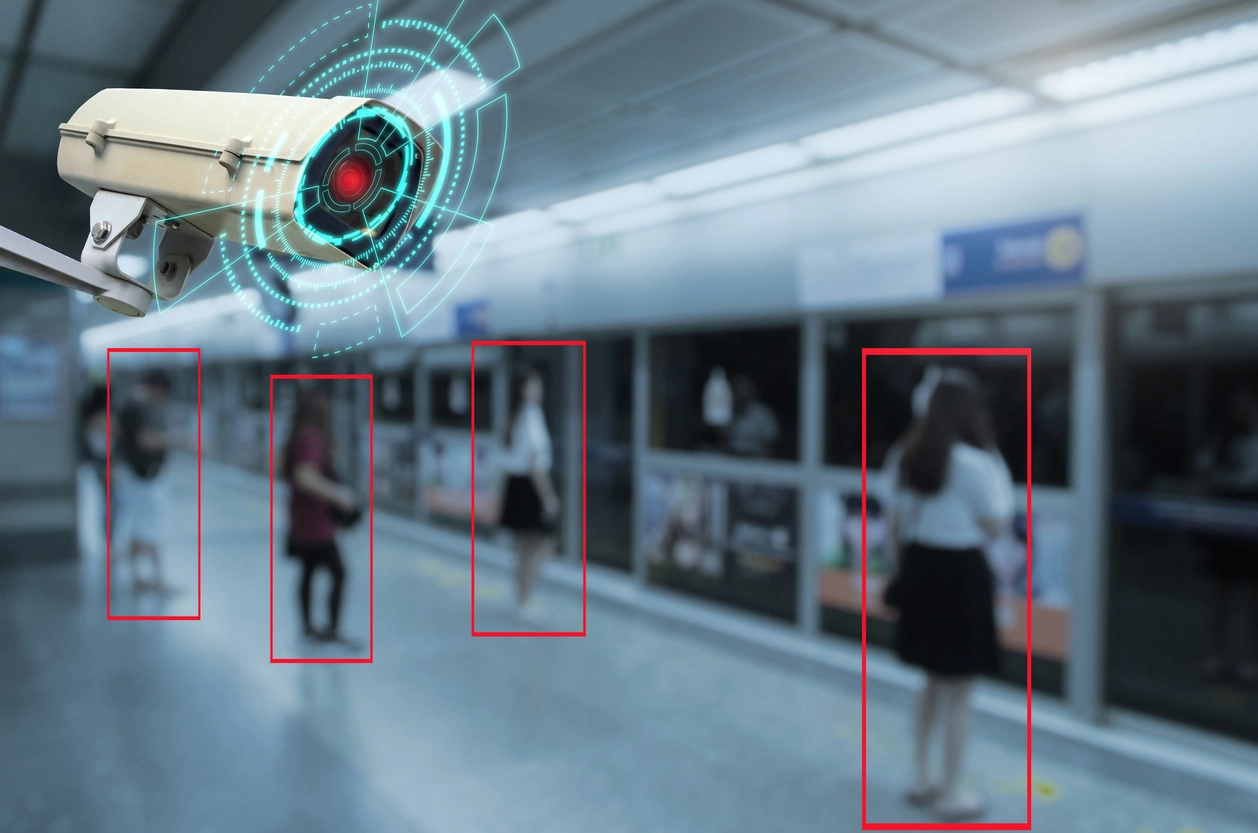
Dwell-time rules can make person alerts more specific than simple presence or motion.
Create events only after a supported person remains in the zone for a defined period.
Use schedules to focus on prolonged activity when a property or area should be quiet.
Create searchable loitering events instead of manually reviewing every person-detection clip.
Loitering rules are useful where normal movement is expected but unusually long presence may deserve attention.
Monitor people remaining near doors, vestibules, or customer entrances longer than expected.
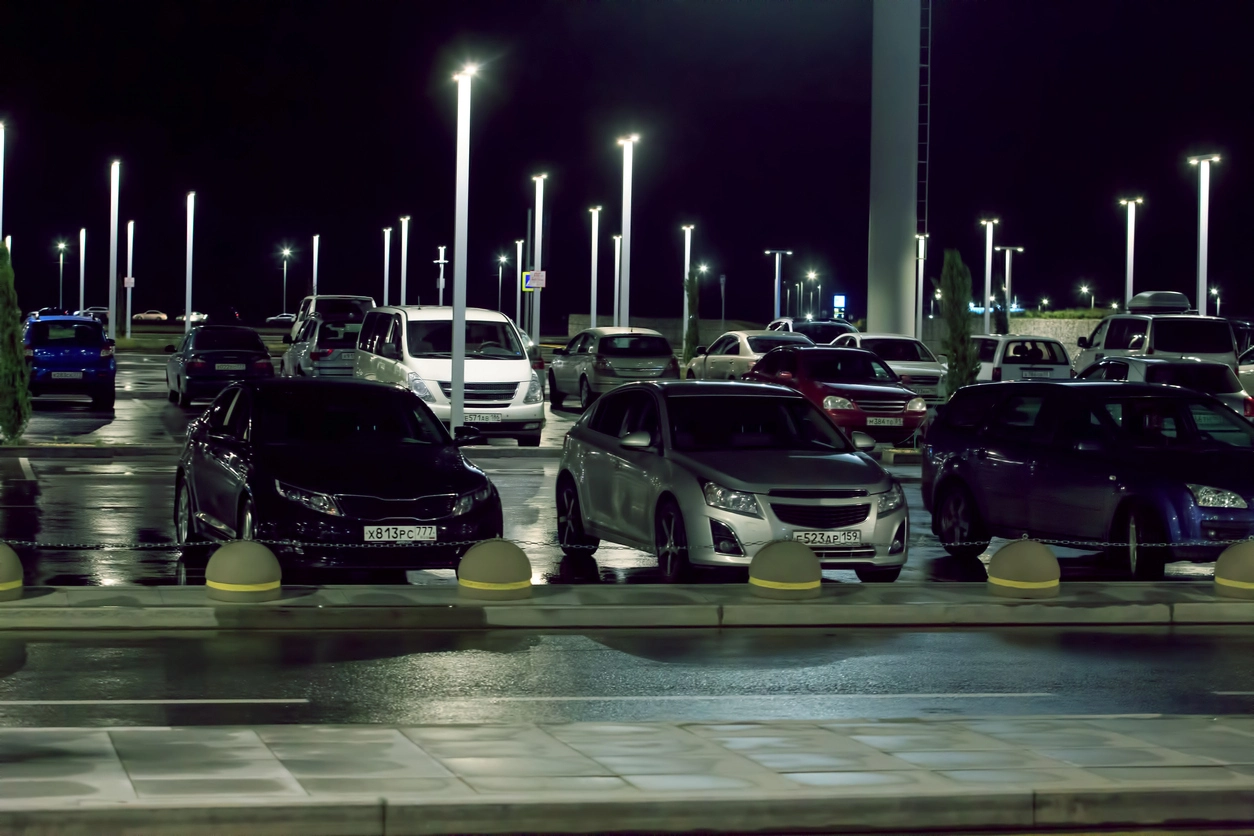
Review prolonged activity around vehicles, pedestrian approaches, or low-traffic portions of a parking lot.
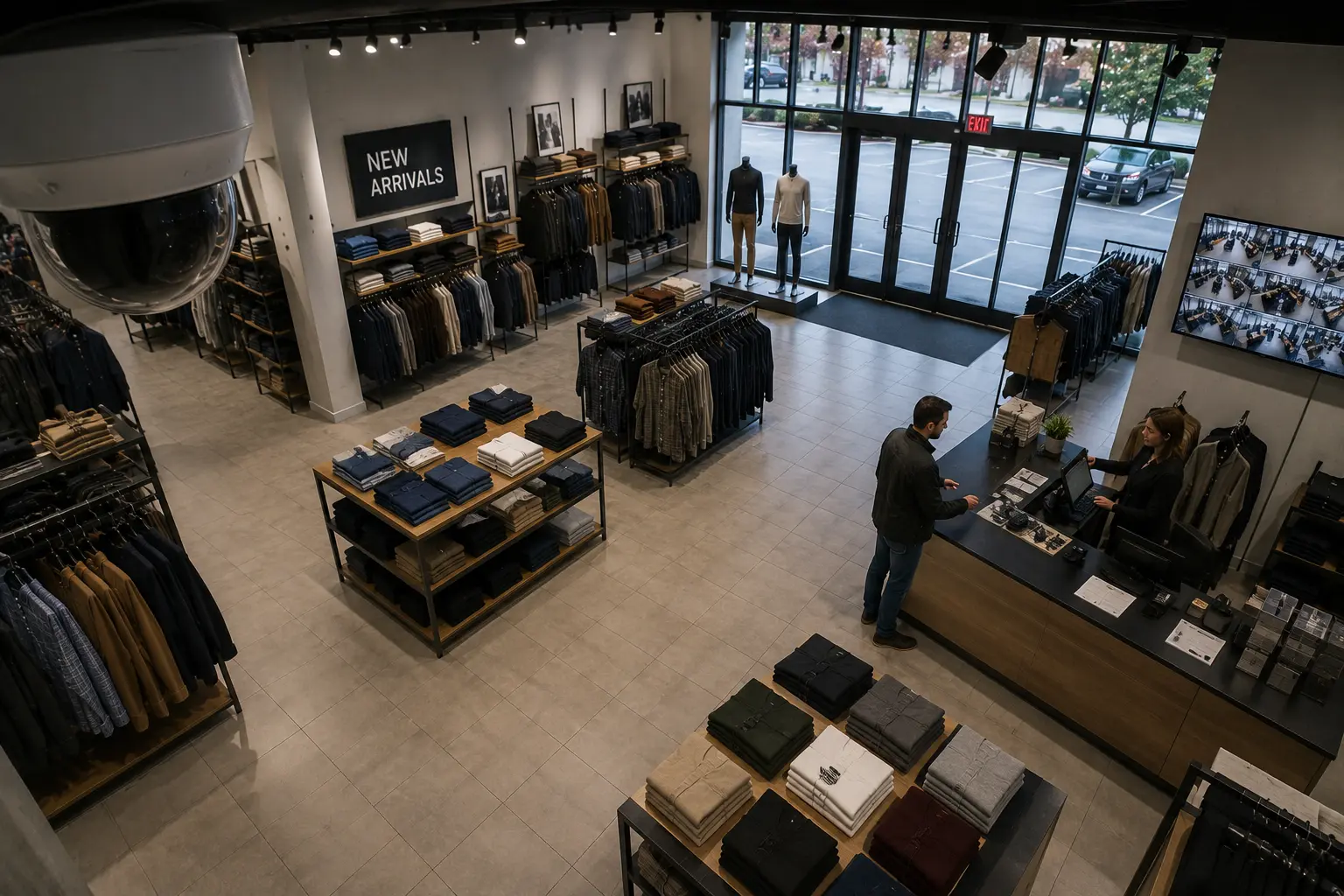
Use dwell-time analytics near selected entrances, merchandise zones, or exterior areas where prolonged presence matters.
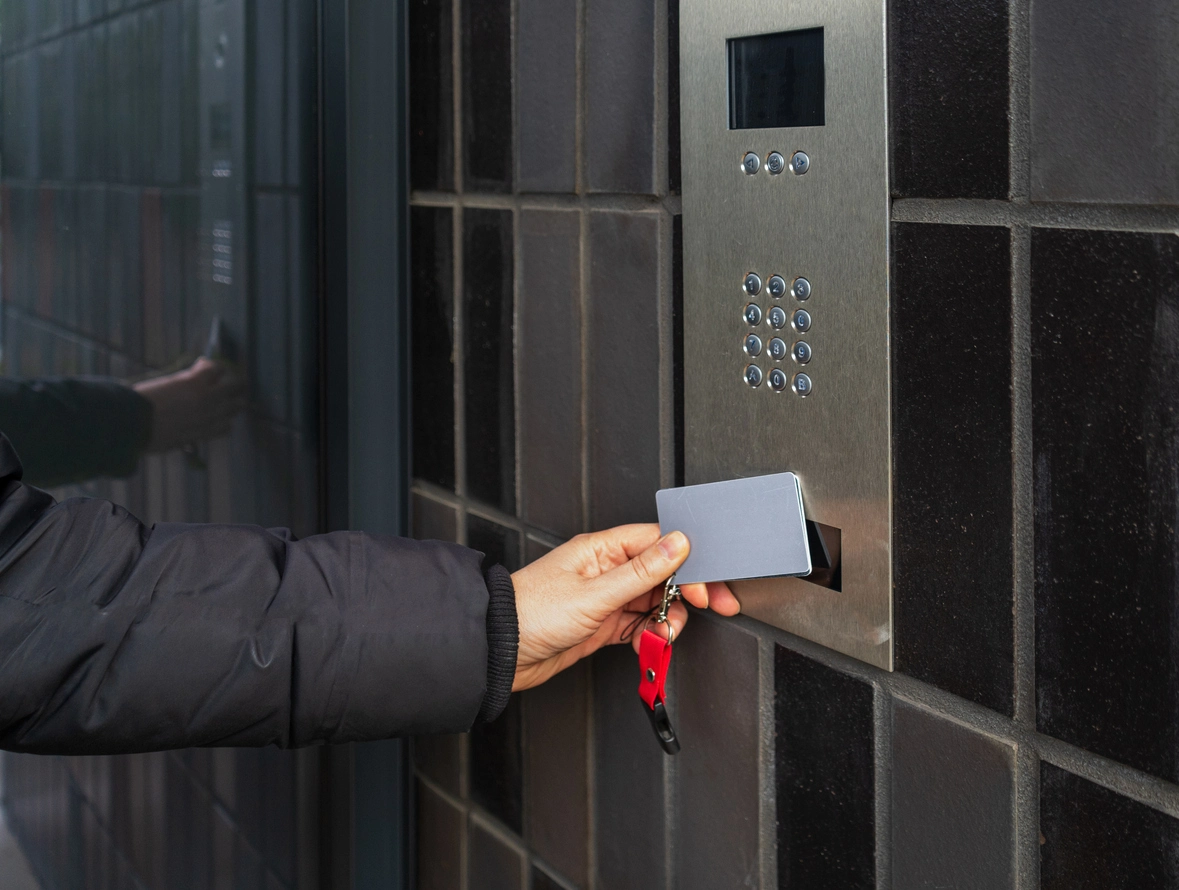
Combine loitering detection with access policies around controlled or staff-only spaces.
Planning Considerations
Remaining in one place is not automatically suspicious, so analytics should reflect the real use of the space.
A lobby, waiting room, loading dock, transit area, or customer entrance may naturally involve people standing in place. Dwell thresholds and schedules should be set around actual operating patterns.
For sensitive areas, loitering analytics can complement person detection, intrusion detection, access control, and remote monitoring without replacing human review or established security procedures.
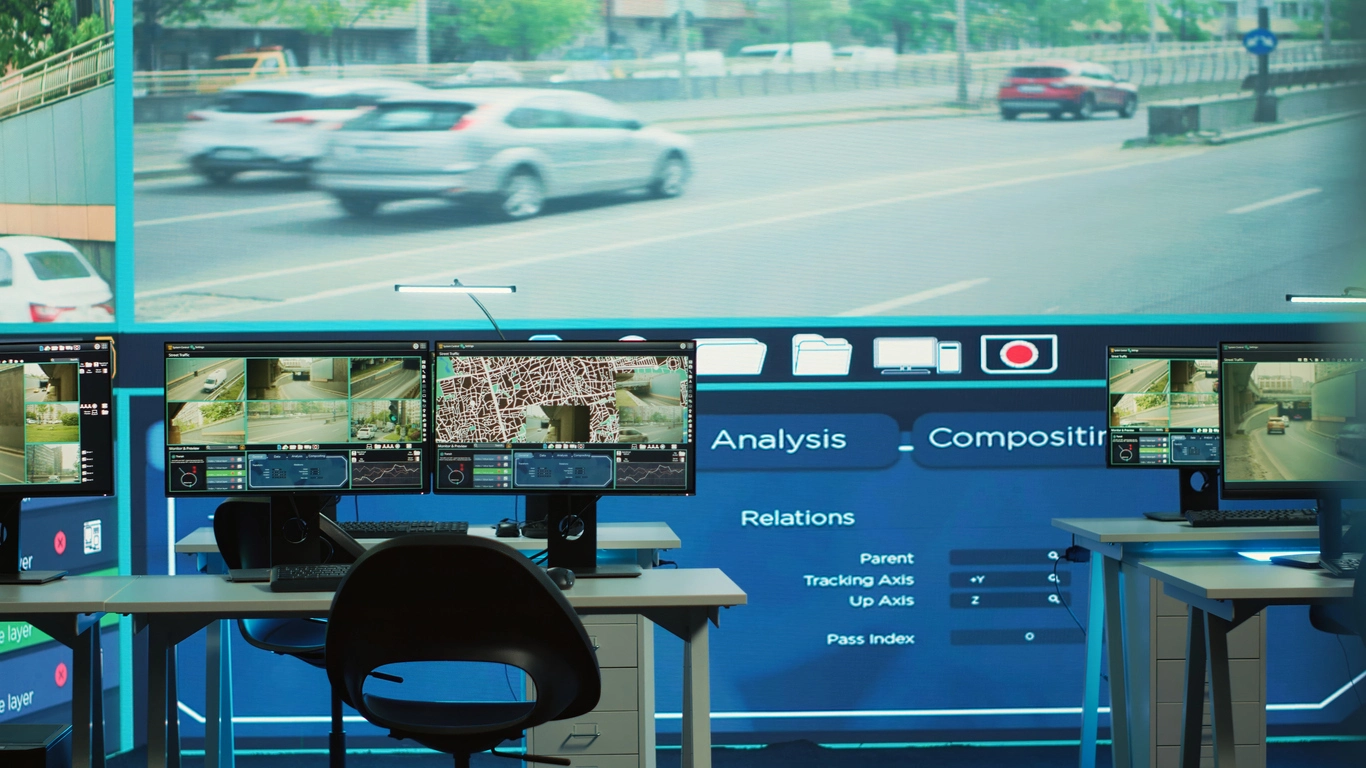
Good dwell-time analytics require realistic thresholds and clear camera views.
Set a duration that distinguishes ordinary waiting from activity worth reviewing.
Focus on the specific entrance, aisle, exterior area, or restricted zone where dwell time matters.
Different thresholds may be appropriate during business hours and after hours.
Decide whether a loitering event should create an alert, bookmark video, or simply remain searchable.
Loitering detection often works alongside person detection, intrusion detection, remote access, and after-hours surveillance.
Loitering detection helps organizations identify prolonged person activity in selected areas without treating every person appearance as an urgent event.
AI loitering analytics combine person classification, a defined zone, and a dwell-time threshold. This creates a more specific event than simple motion or person detection.
The feature is most useful when the environment has a clear expectation for how long people normally remain in the monitored area. Thresholds that are too short can create unnecessary alerts, while thresholds that are too long may miss meaningful activity.
Camera Security Now helps organizations evaluate camera placement, analytics rules, schedules, recording, and monitoring workflows for practical loitering-detection deployments.
Get answers to common questions about this security camera solution.
Loitering detection is a video analytics rule that creates an event when a supported person remains within a defined area longer than a configured amount of time.
Yes. Many commercial platforms allow analytics rules to follow schedules so dwell-time alerts can focus on periods when the area should be quiet.
No. Person detection identifies that a person is present. Loitering detection adds a time threshold to determine whether that person remains in a defined area.
Yes. Poorly chosen dwell times, busy waiting areas, reflections, lighting conditions, or difficult camera views can produce unnecessary events.
Tell us which areas and dwell times matter. We’ll help you evaluate realistic loitering-detection analytics for the property.