
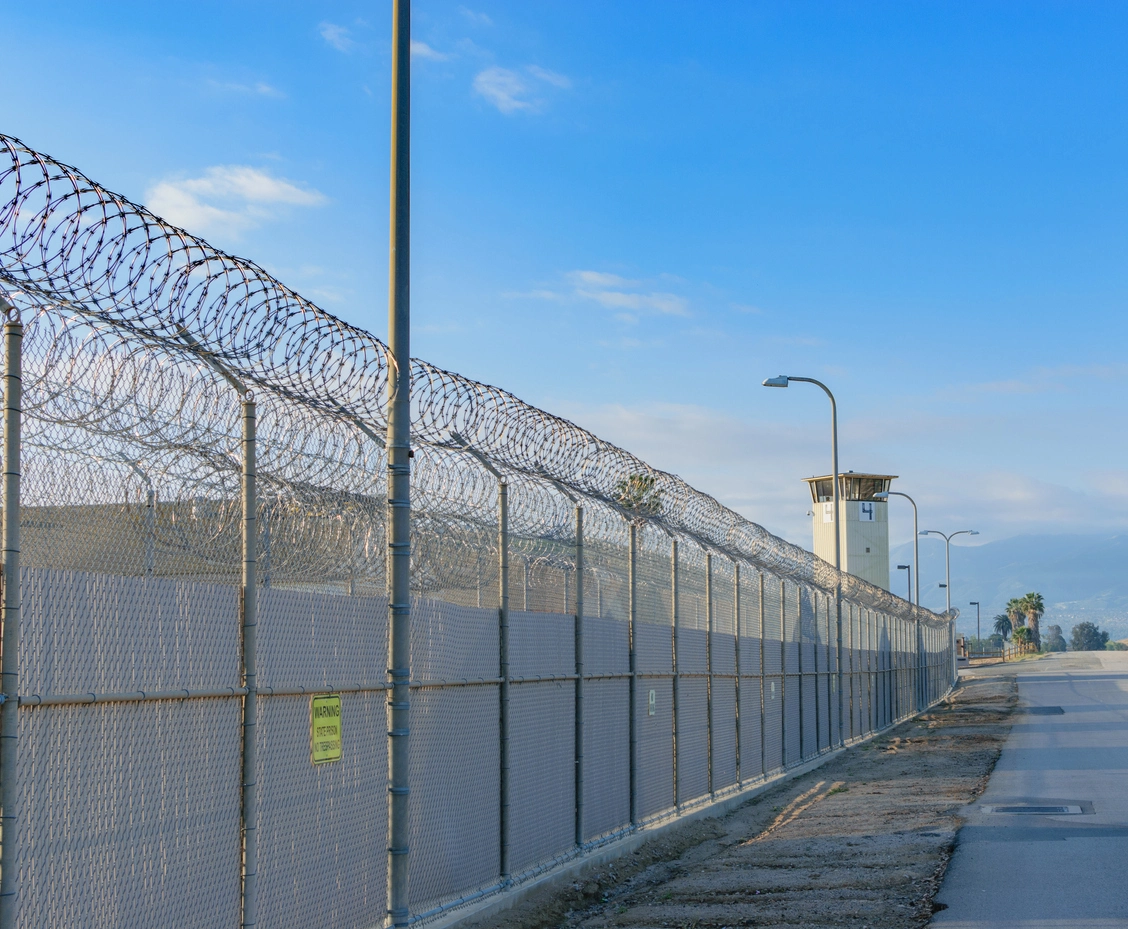
Data Centers
Monitor fenced boundaries and critical infrastructure around data center properties.
AI Perimeter Protection
Camera Security Now helps organizations design AI-assisted perimeter protection using commercial security cameras, object classification, virtual boundaries, line crossing, intrusion zones, thermal imaging, and remote monitoring.
Perimeter protection focuses surveillance on the edges and approaches of a property: fence lines, gates, yards, parking boundaries, service roads, utility areas, rooftops, and other exterior zones.
AI-enabled cameras can classify supported people and vehicles, monitor virtual lines and intrusion zones, and create more targeted events than traditional motion detection alone.
A strong perimeter design may combine fixed cameras, PTZ cameras, thermal imaging, lighting, recording, remote access, and access control depending on the size and risk profile of the site.
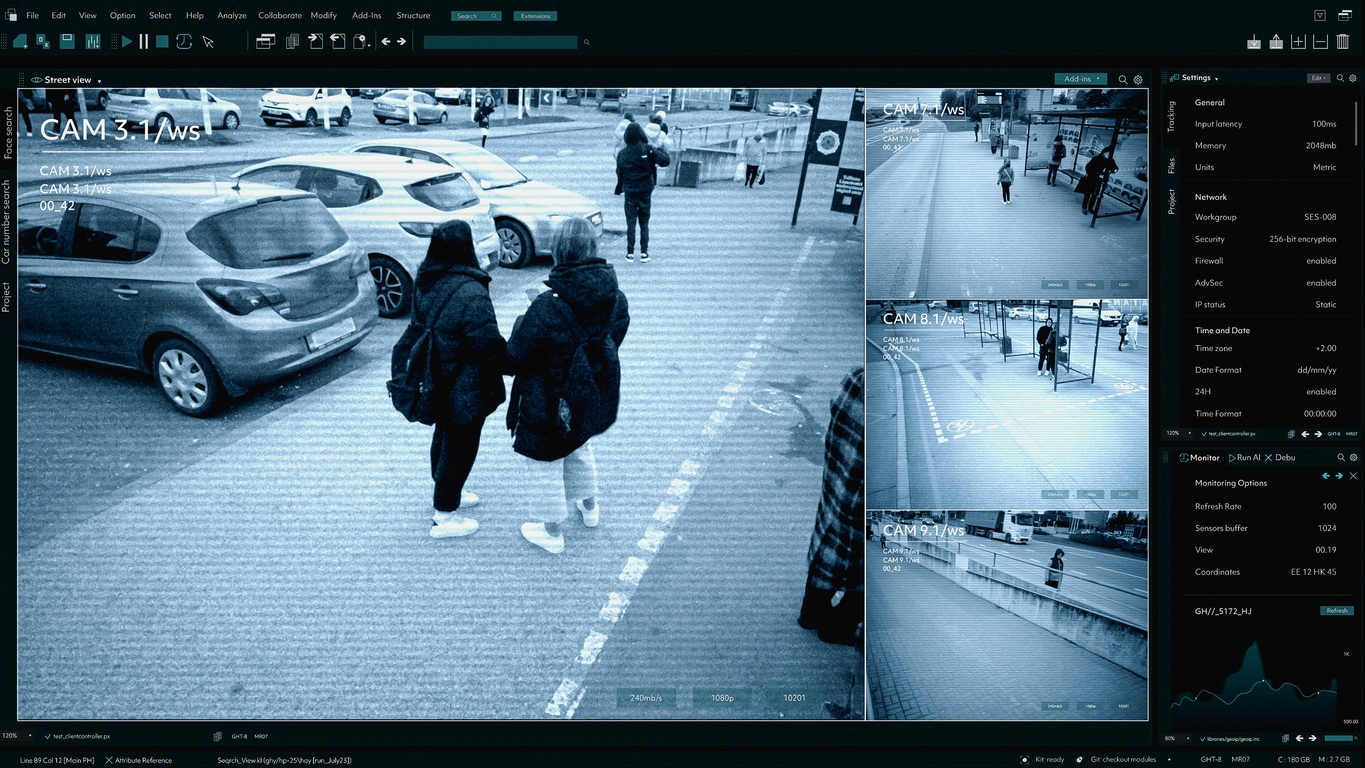
Perimeter analytics can help organizations detect activity before it reaches buildings, assets, or restricted interior spaces.
Monitor approaches, fence lines, and exterior zones before activity reaches a building entrance.
Filter many irrelevant motion events while focusing on supported people and vehicles.
Apply coordinated rules across gates, yards, parking boundaries, and remote portions of a property.
Perimeter surveillance is especially valuable for large, remote, industrial, or high-value commercial properties.
Monitor fenced boundaries and critical infrastructure around data center properties.
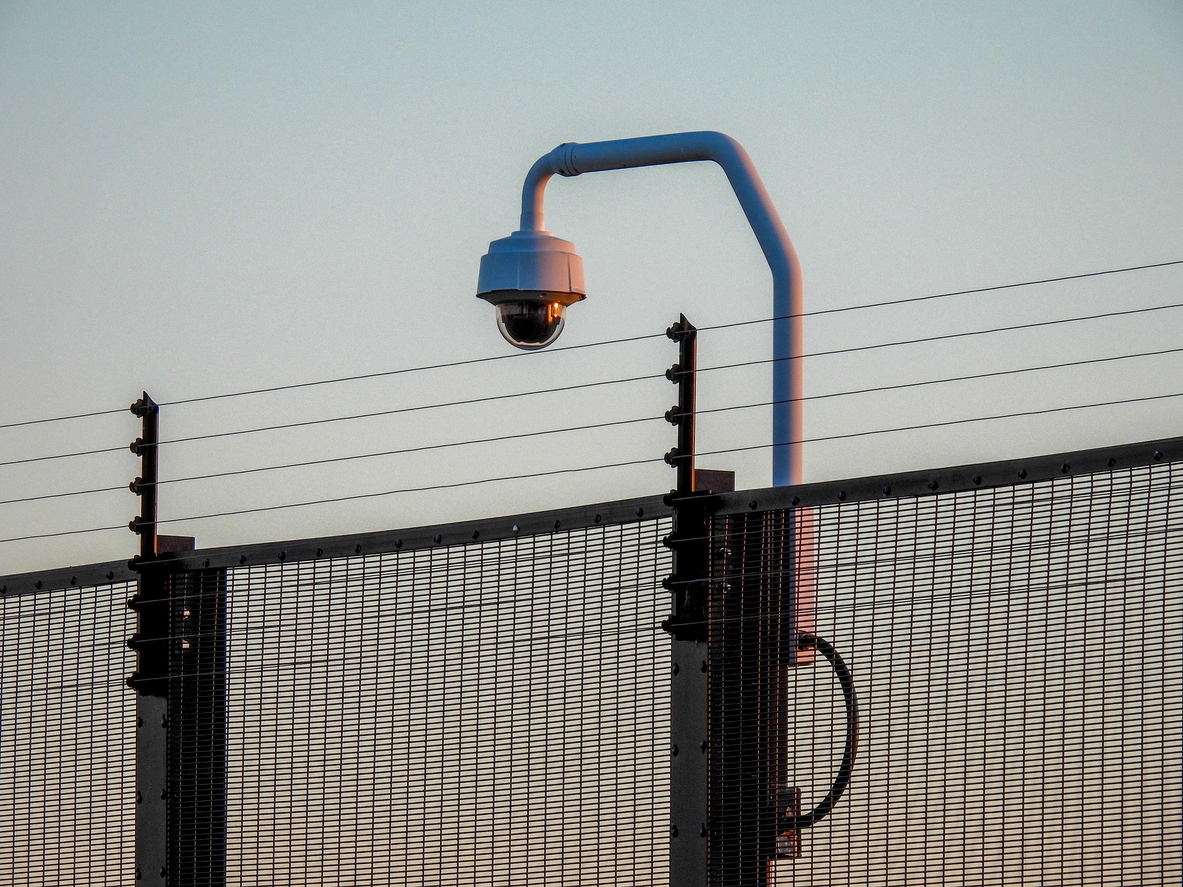
Protect yards, outdoor process areas, and restricted infrastructure with exterior analytics.
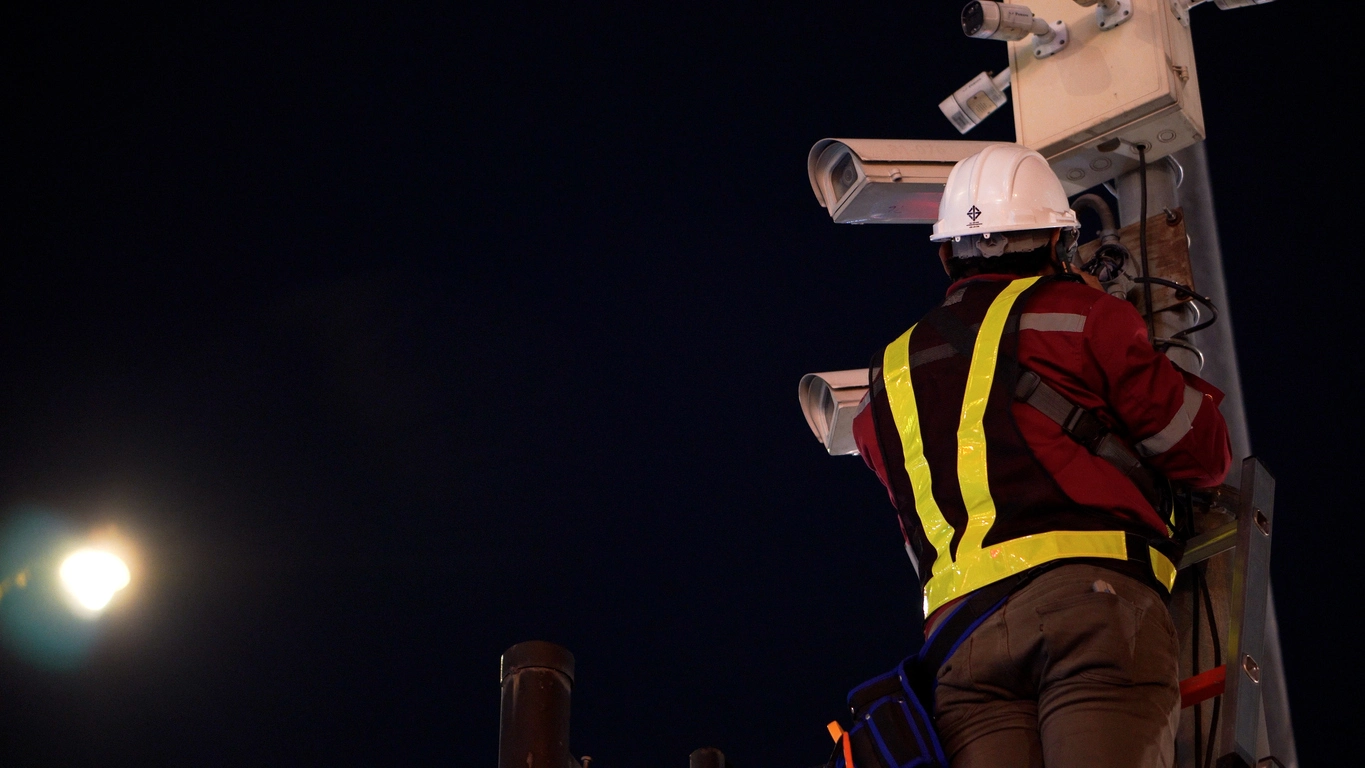
Watch temporary fences, equipment areas, material storage, and after-hours approaches.
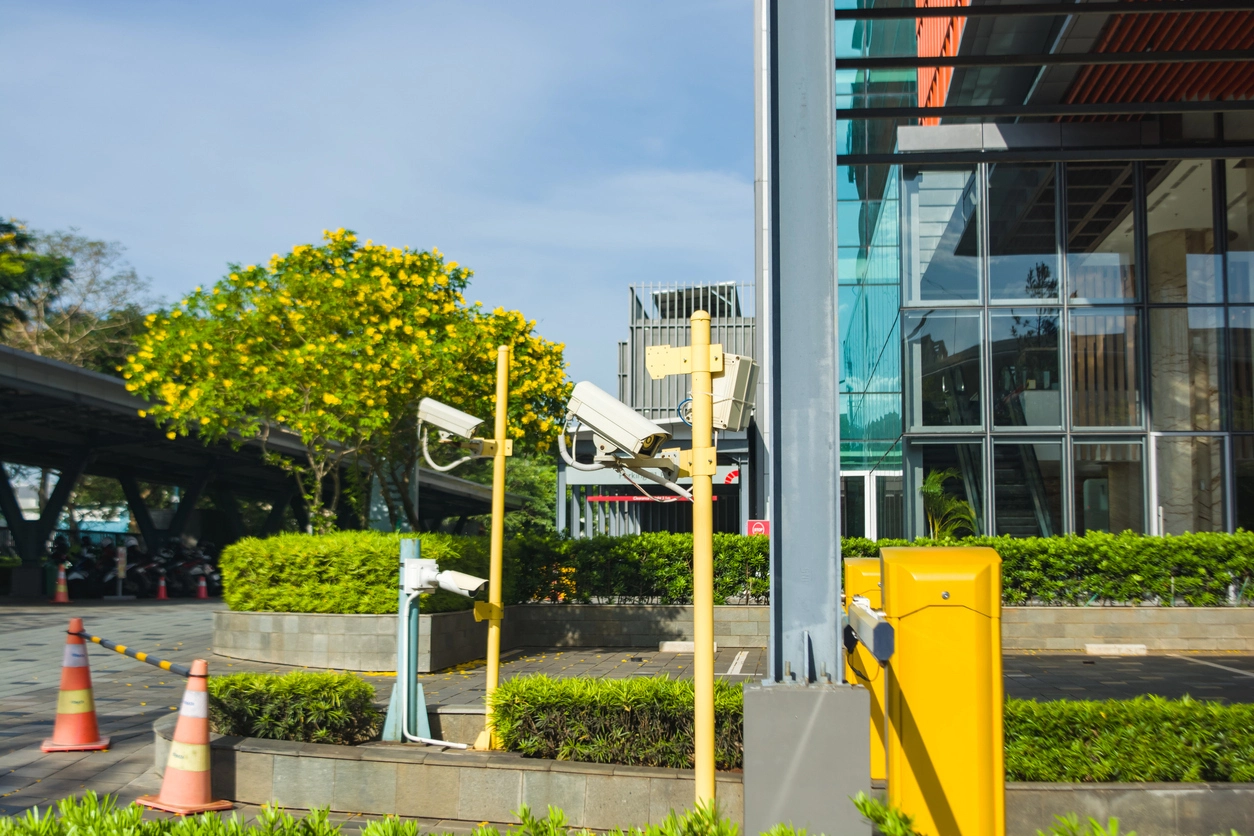
Monitor exterior property boundaries, parking approaches, and shared outdoor areas.
Planning Considerations
Perimeter conditions change dramatically between daylight, darkness, weather, glare, and uneven exterior lighting.
Visible-light cameras provide recognizable scene detail when lighting supports it. Thermal cameras can help detect heat signatures in difficult low-light environments, but they provide a different kind of image and may not be appropriate for identification.
Many larger perimeter systems use a mix of camera types so detection, verification, overview footage, and investigation needs are addressed separately.
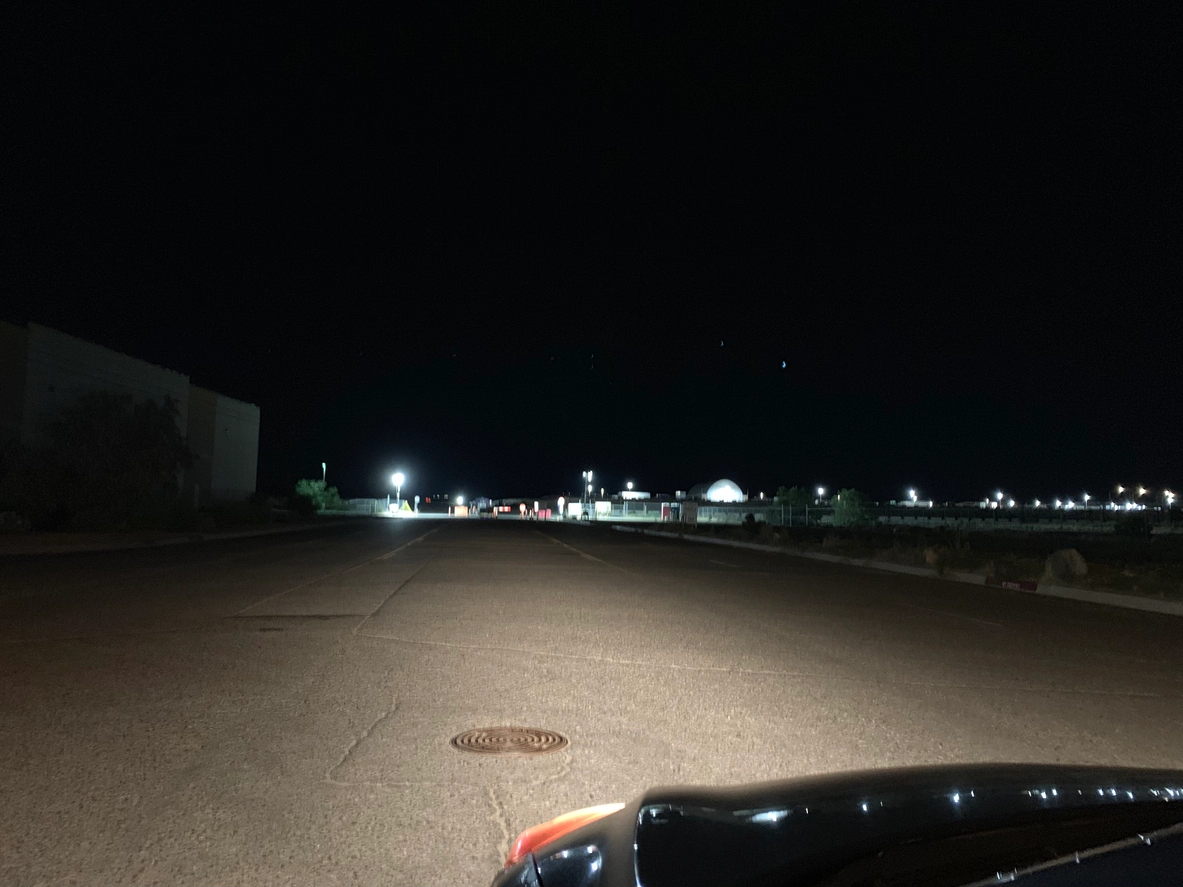
Exterior analytics depend on distance, lighting, camera coverage, boundary geometry, and response requirements.
Select lenses and camera positions so people or vehicles appear large enough for the intended analytics.
Map the real boundary, openings, vehicle lanes, pedestrian approaches, and blind spots.
Evaluate lighting, infrared, thermal imaging, and headlight glare for after-hours performance.
Define how alerts will be reviewed, recorded, escalated, or integrated with access control and monitoring.
AI perimeter protection often combines intrusion detection, line crossing, thermal cameras, PTZ coverage, and remote monitoring.
AI perimeter protection helps organizations monitor exterior boundaries with more focused detection rules and fewer nuisance events.
Commercial perimeter security starts with the physical layout of the property. Cameras should be positioned around likely approaches, gates, fence openings, yards, parking edges, and other routes where unauthorized activity may occur.
AI analytics can add person and vehicle classification, intrusion zones, line crossing, schedules, and searchable event metadata to those camera views. Thermal imaging and PTZ coverage may strengthen specific parts of the design.
Camera Security Now helps organizations combine cameras, analytics, recording, remote viewing, storage, networking, and access control into a practical perimeter-protection strategy.
Get answers to common questions about this security camera solution.
AI perimeter protection uses security cameras and video analytics to monitor property boundaries, approaches, fence lines, gates, and exterior restricted areas for supported people or vehicles.
AI object classification can reduce many nuisance events compared with basic motion detection, but real-world results still depend on camera placement, environment, and configuration.
Thermal cameras can be useful for detecting heat signatures in darkness or difficult lighting, especially on large exterior properties. They are often paired with visible-light cameras for scene detail.
Yes. Line crossing, vehicle detection, license plate recognition, and access-control integration may all be used around controlled entrances depending on the system.
Tell us about the property boundary, gates, yards, lighting, and after-hours concerns. We’ll help you evaluate a practical perimeter-protection design.