
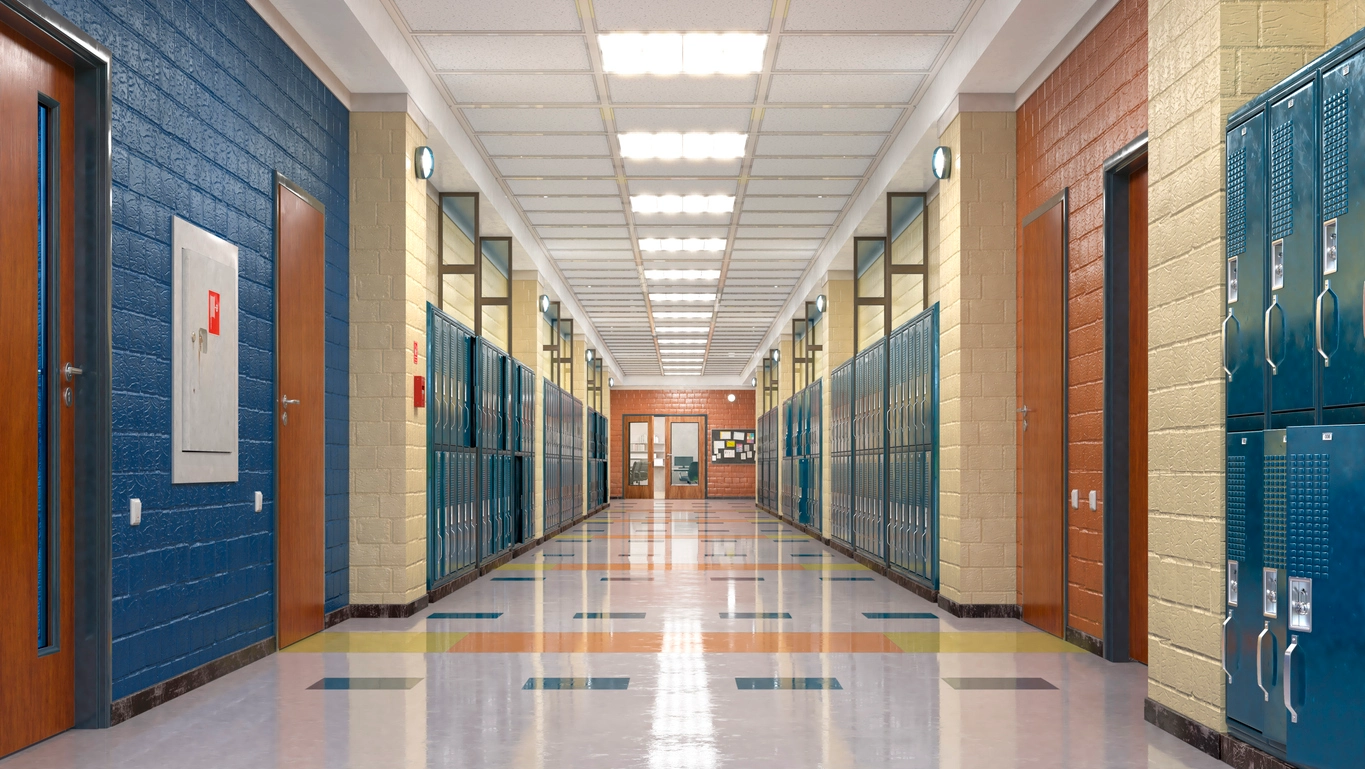
Schools
Deploy specialized sensors in appropriate indoor areas while using hallway or common-area cameras only where privacy rules allow.
Specialty Indoor Detection
Camera Security Now helps schools and commercial facilities evaluate specialized vape detection sensors that can alert authorized personnel to supported airborne events while coordinating with nearby camera and security workflows where appropriate.
Vape detection is generally performed by specialized air-quality or particulate sensors, not by ordinary security cameras.
When a supported sensor event occurs, the system may notify authorized staff and, depending on the platform, help them correlate the event with nearby hallway, entrance, or common-area cameras.
Camera placement should respect privacy expectations and applicable rules. Cameras should not be installed in restrooms, changing areas, or other locations where surveillance would be inappropriate.
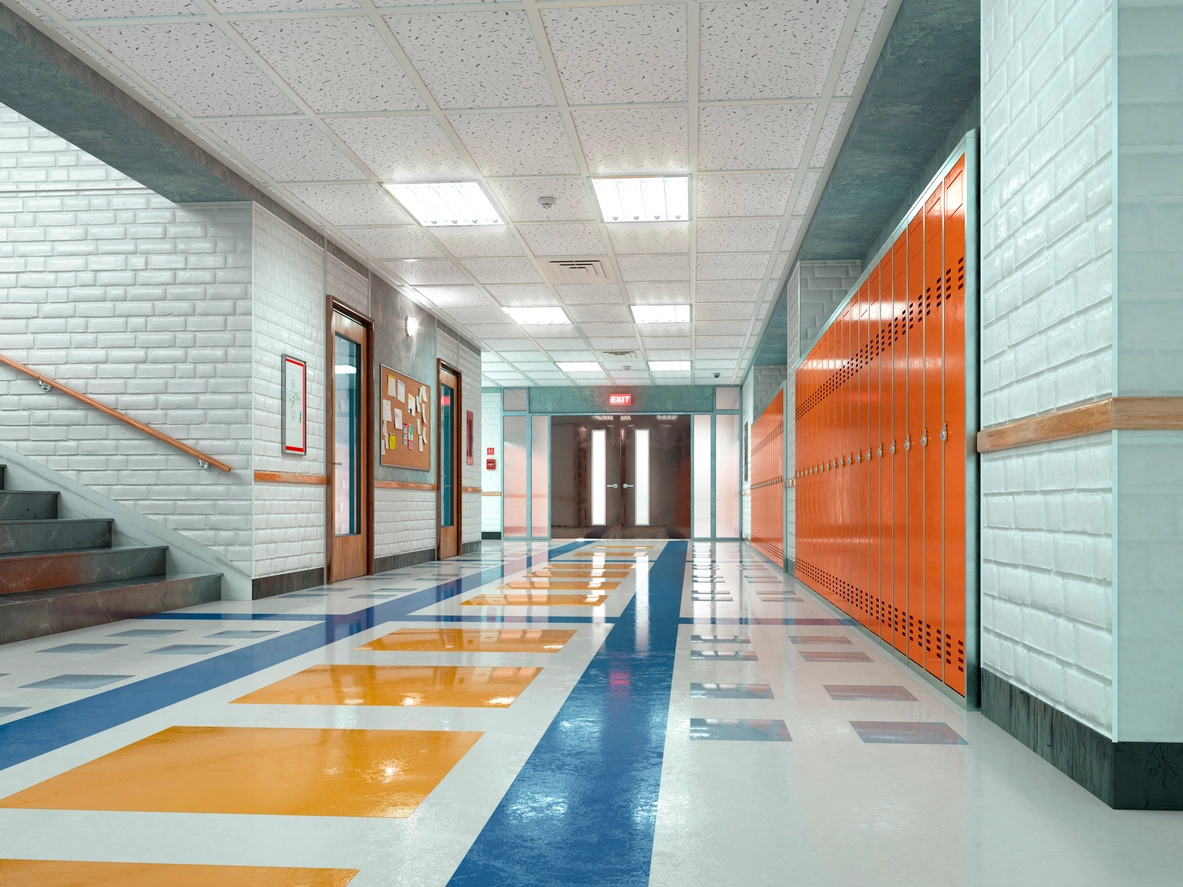
Specialty monitoring works best when the sensors, cameras, alerts, recording, and response process are planned together.
Use supported sensor events to alert designated staff when a possible vaping condition is detected.
Where appropriate, review cameras in adjacent hallways, entrances, or common areas to understand who entered or exited the nearby area.
Use event history, timestamps, and nearby camera footage to identify recurring patterns that may require operational follow-up.
The right deployment depends on the environment, the condition being detected, and the response expected after an event.
Deploy specialized sensors in appropriate indoor areas while using hallway or common-area cameras only where privacy rules allow.
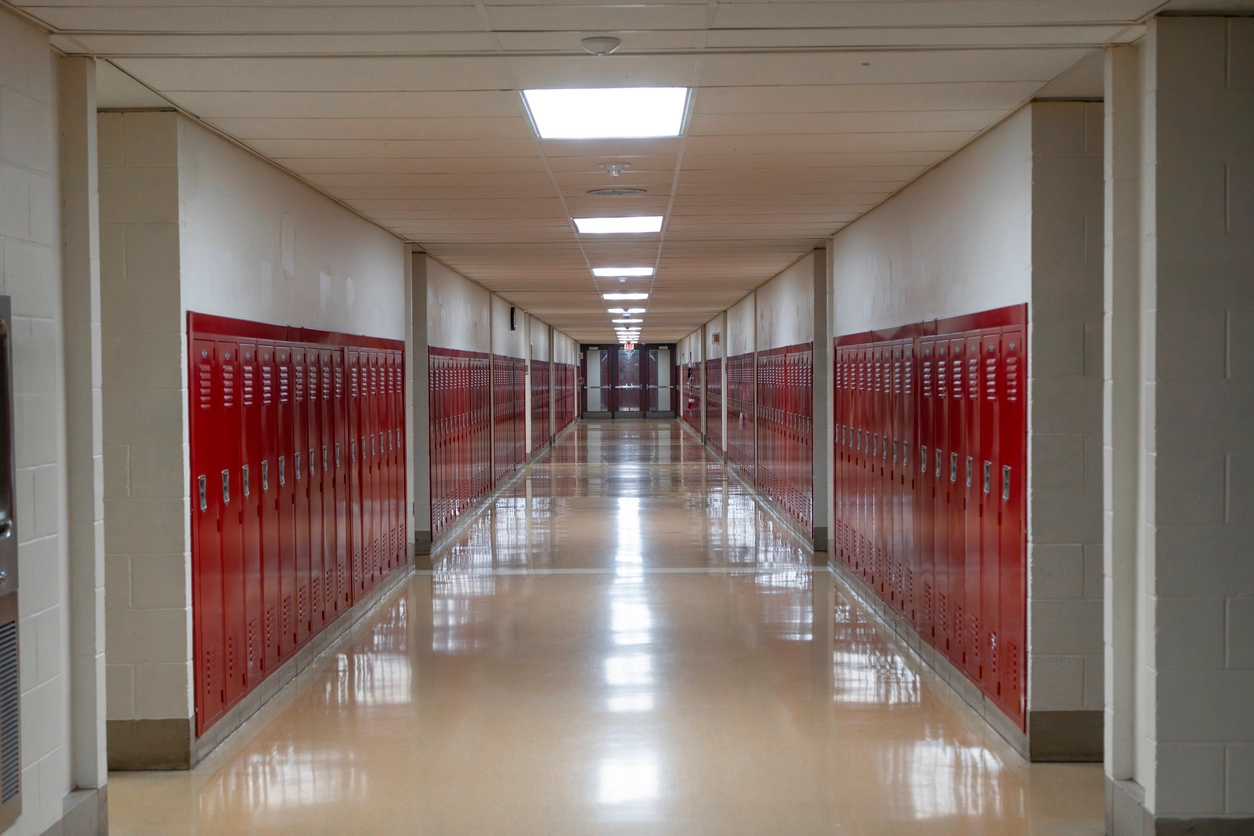
Use cameras in appropriate shared areas near locations where sensor events may require staff review.
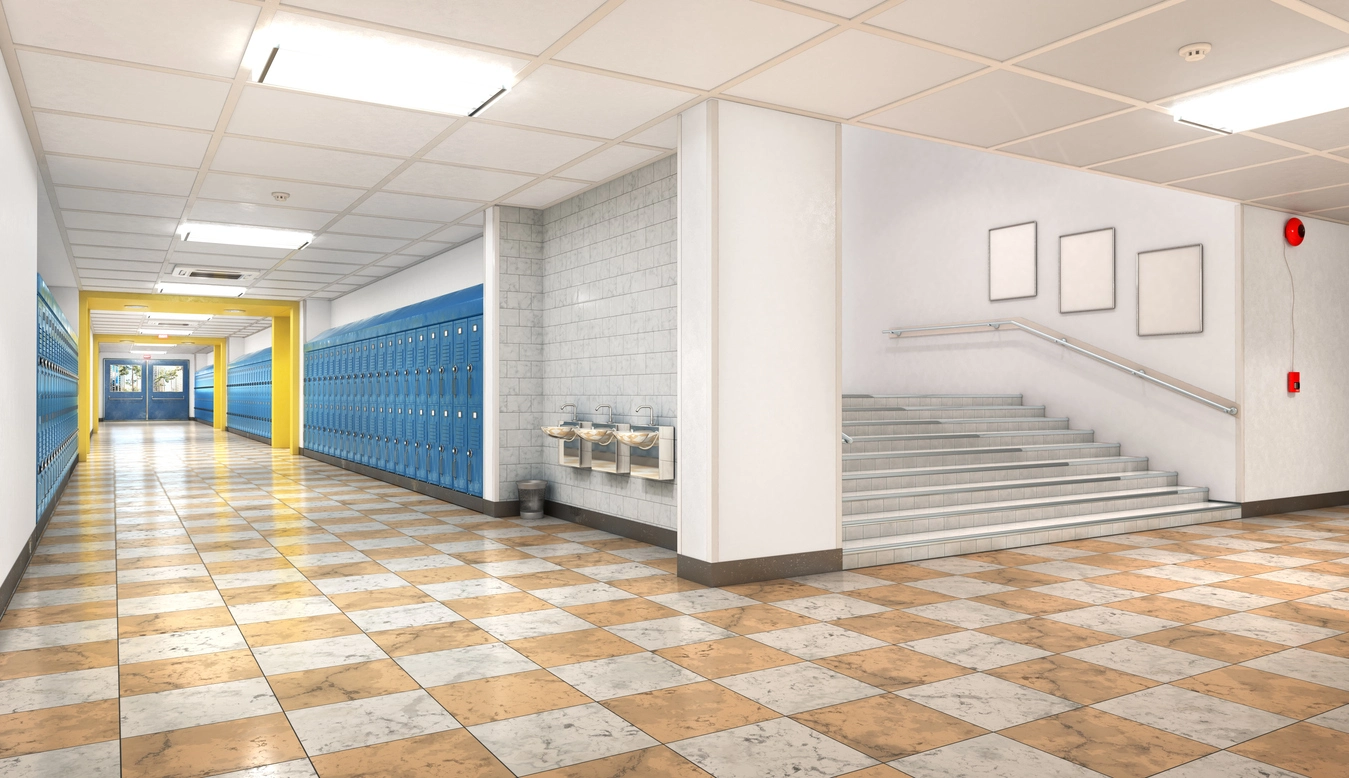
Coordinate sensor alerts with authorized staff and nearby camera views across larger school or institutional sites.
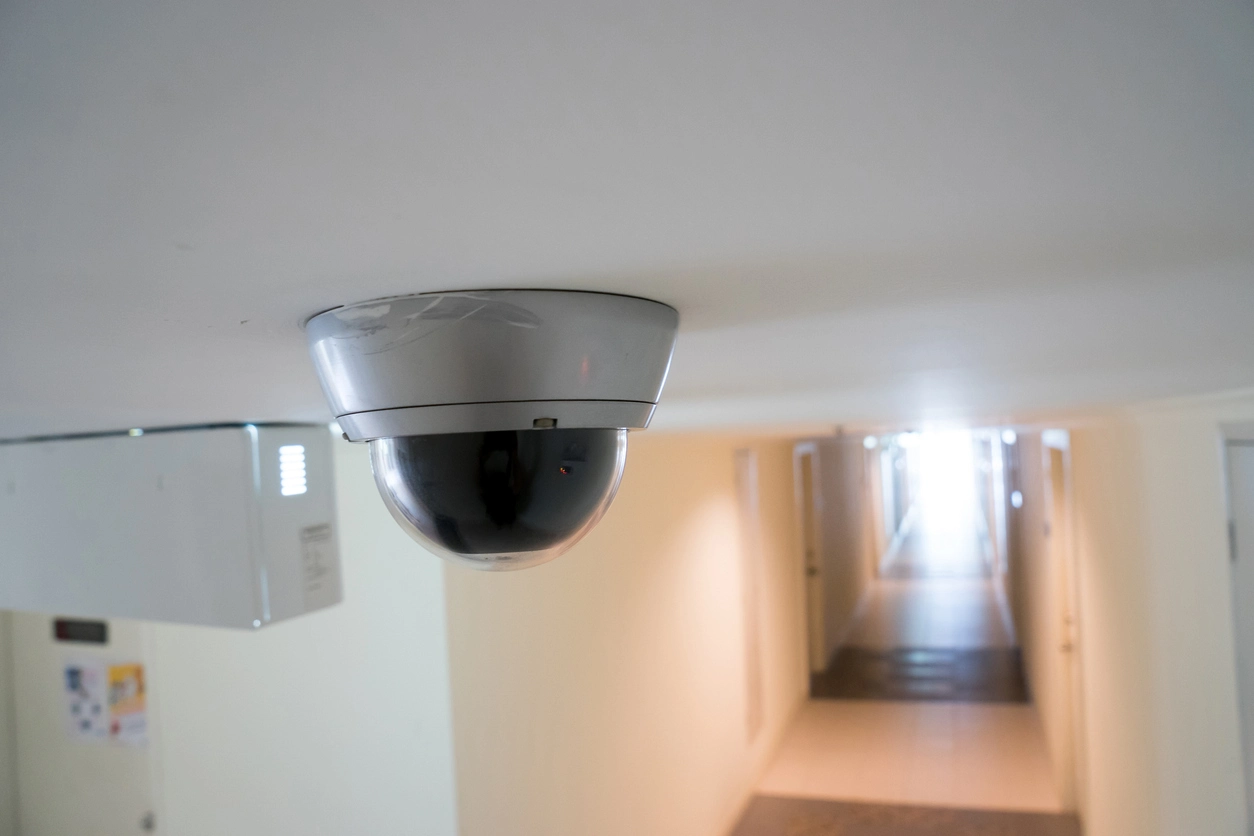
Use specialized indoor sensors in permitted spaces and coordinate alerts with access or nearby corridor monitoring where appropriate.
Planning Considerations
The sensor detects the airborne condition; nearby cameras may provide context where lawful and appropriate.
A vape sensor should not be described as a camera feature. It is a specialized detection device that may monitor particulate, air-quality, or other supported signatures depending on the product.
Camera Security Now can help organizations evaluate how sensor alerts, notifications, camera timestamps, access information, and incident-review workflows can work together without placing cameras in inappropriate private areas.
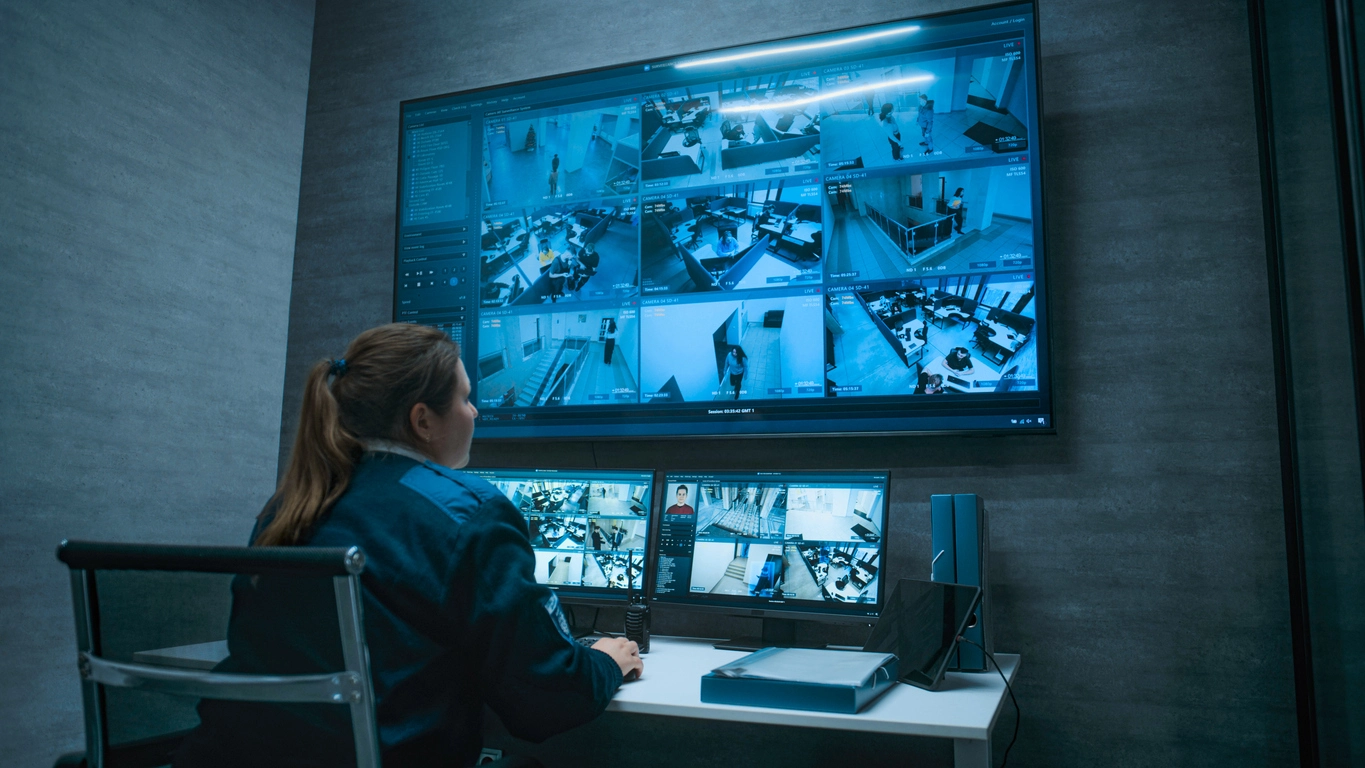
Capabilities vary by manufacturer, sensor type, camera system, analytics license, network architecture, and integration method.
Do not place cameras in restrooms, changing rooms, or other private areas. Use nearby permitted camera views only when appropriate.
Follow manufacturer guidance for room size, airflow, ceiling height, obstructions, and the specific conditions the sensor is designed to detect.
Define which staff members receive events and what follow-up process should occur after a possible detection.
Treat sensor events and nearby video as context for review rather than automatic proof of a policy violation.
Specialty detection may work alongside security cameras, alerts, remote monitoring, VMS platforms, access control, and incident review.
Evaluate specialized vape detection sensors for schools, campuses, commercial facilities, and monitored indoor spaces, with alerts and camera integration where supported.
Vape detection systems use specialized sensors to identify supported airborne conditions associated with vaping and can provide alerts for authorized staff.
In schools and other facilities, sensor events may be correlated with nearby hallway, entrance, or common-area cameras where cameras are legally and operationally appropriate.
Camera Security Now helps organizations plan the sensor, alert, camera, access, and incident-review workflow while maintaining clear boundaries between private spaces and permitted surveillance areas.
Get answers to common questions about this security camera solution.
Ordinary security cameras generally do not detect vaping reliably. Dedicated vape or air-quality sensors are designed for this purpose.
Some security platforms can associate sensor events with nearby camera views, timestamps, alerts, or incident-review workflows. Compatibility varies by manufacturer.
No. Cameras should not be installed in restrooms or other areas with strong privacy expectations. Nearby hallways, entrances, or common areas may provide context where lawful and appropriate.
Not necessarily. Sensor events should be reviewed according to the manufacturer's capabilities and the organization's policies rather than treated as automatic proof of individual behavior.
Tell us about the facility, current cameras or security systems, the condition you need to detect, and how your team should respond. We’ll help you evaluate a practical system.