
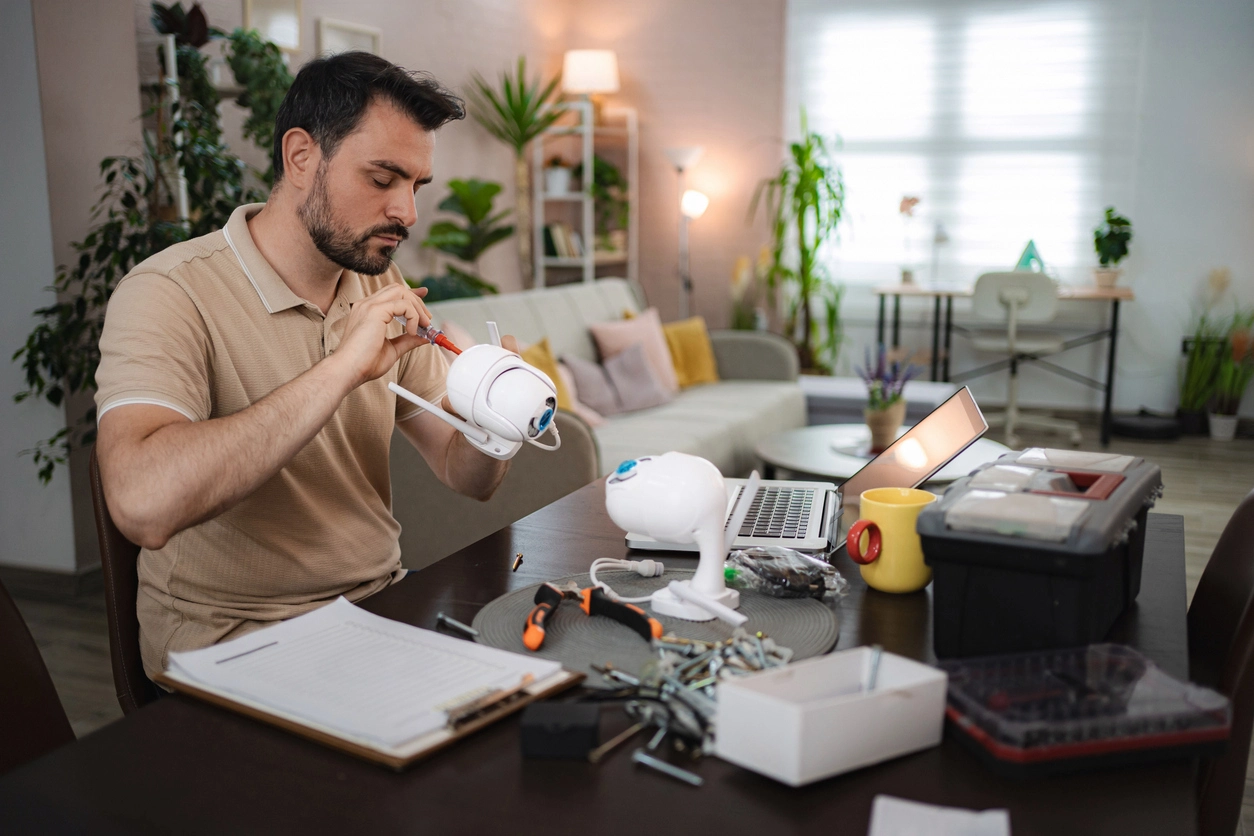
Data and Equipment Rooms
Monitor conditions that may affect electronics, servers, network equipment, or other temperature-sensitive infrastructure.
Environmental Sensor Monitoring
Camera Security Now helps organizations evaluate environmental monitoring that can complement cameras and access control with temperature, humidity, water/leak, air-quality, and other supported sensor alerts.
Security cameras provide visual information, but many facility risks are better detected by dedicated environmental sensors. Temperature, humidity, water leaks, flooding, air conditions, and other physical conditions may require sensors designed for those measurements.
When supported, environmental events can be surfaced through the same or a related management platform used for cameras, access control, alarms, or notifications.
The objective is to give authorized users earlier awareness of conditions that could affect equipment, inventory, operations, safety, or building integrity.
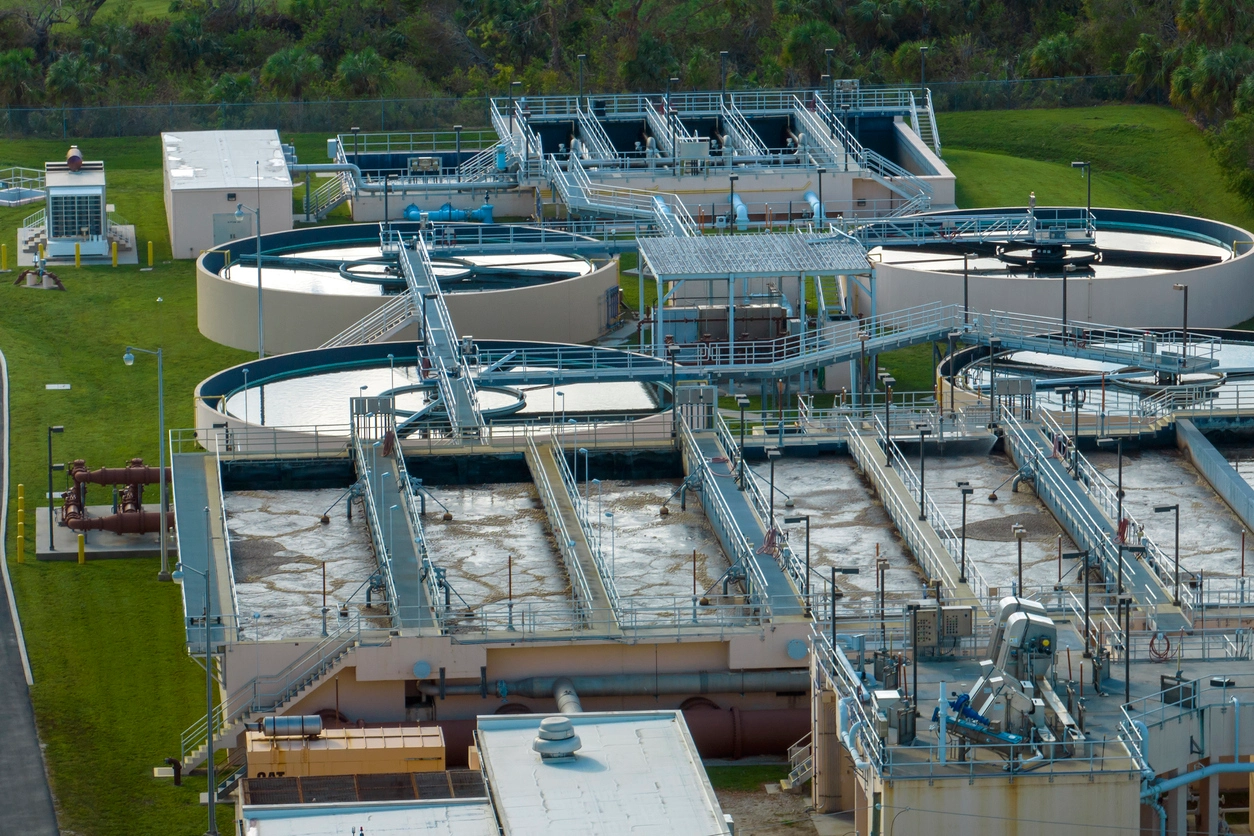
Specialty monitoring works best when the sensors, cameras, alerts, recording, and response process are planned together.
Use supported sensors to monitor spaces where heat, cold, or humidity can affect equipment, products, infrastructure, or operations.
Place compatible leak or water sensors near mechanical rooms, equipment areas, utility spaces, or other locations where water intrusion could cause damage.
Where the platform supports it, route environmental events into notifications or monitoring workflows alongside cameras and other security-system events.
The right deployment depends on the environment, the condition being detected, and the response expected after an event.
Monitor conditions that may affect electronics, servers, network equipment, or other temperature-sensitive infrastructure.
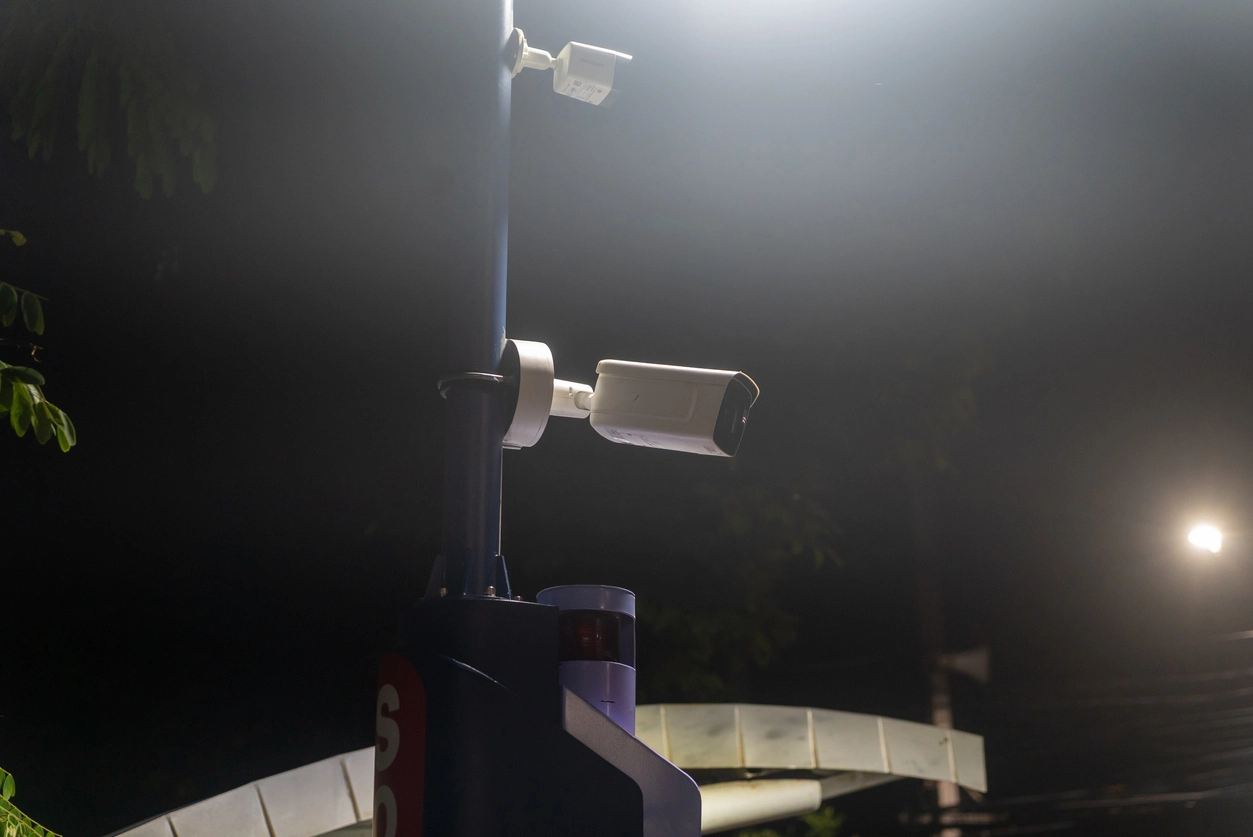
Use environmental sensors alongside cameras in production, utility, or equipment areas where changing conditions can affect operations.
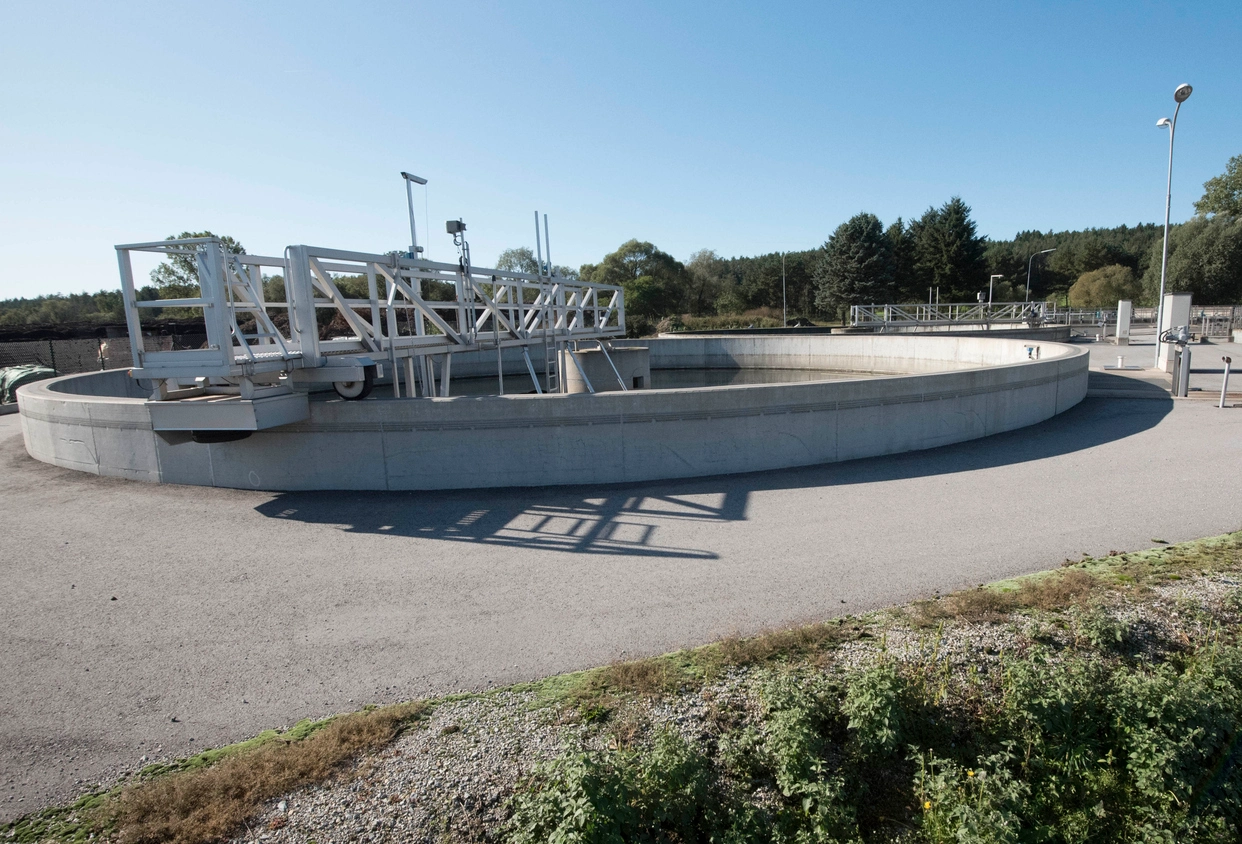
Combine cameras with water, leak, temperature, or related sensors where facility conditions require early awareness.
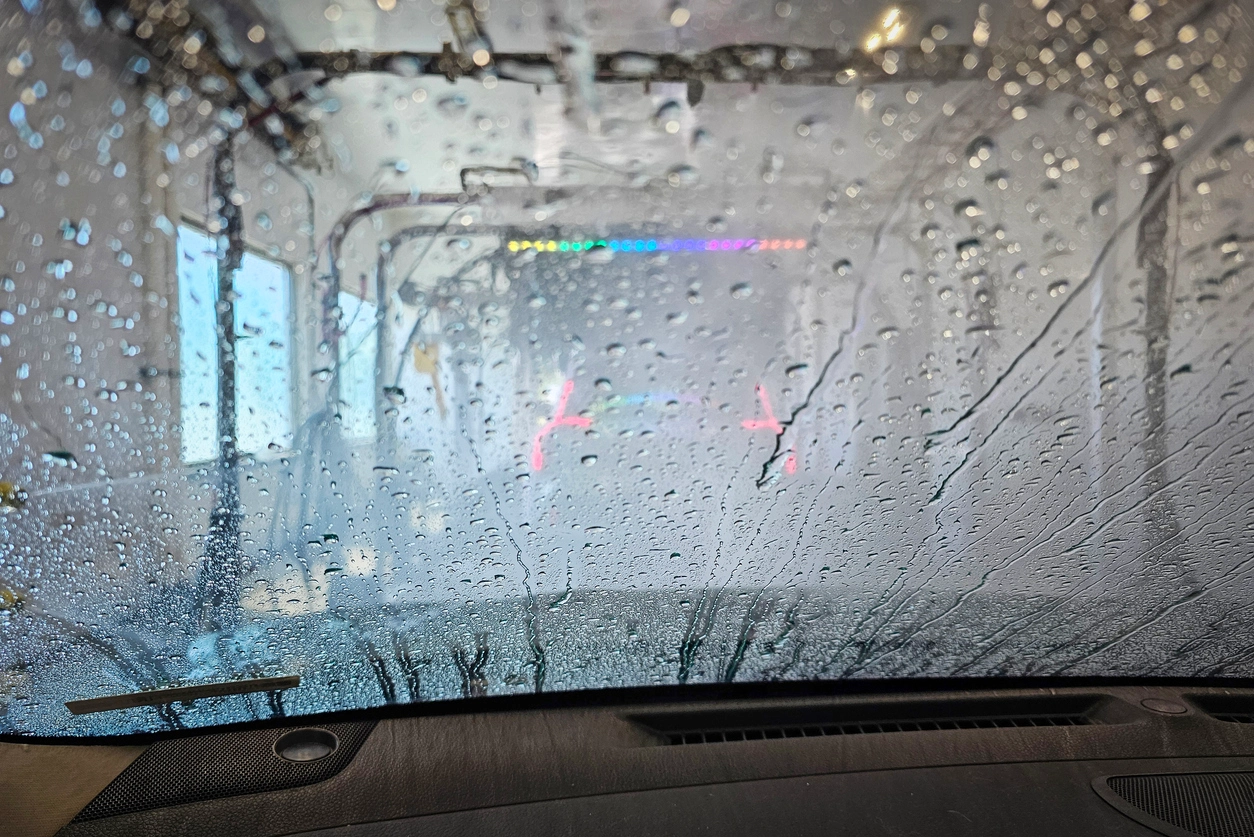
Use appropriately rated cameras and compatible sensors in areas exposed to water, moisture, or washdown conditions.
Planning Considerations
A camera may show the result of a problem, while a dedicated sensor may detect the condition earlier or more directly.
For example, a camera might show standing water after a leak has spread, but a water sensor can be positioned to detect moisture at the source. A camera cannot reliably measure room temperature or humidity without appropriate specialized hardware.
Camera Security Now helps organizations evaluate how environmental sensors, cameras, alerts, access control, and remote management can fit into one practical monitoring strategy when compatible platforms are available.

Capabilities vary by manufacturer, sensor type, camera system, analytics license, network architecture, and integration method.
Choose sensors designed for the actual condition being measured, such as temperature, humidity, water, or other supported environmental variables.
Put sensors where the condition is likely to occur and where the device can operate reliably within its rated environment.
Set realistic thresholds and recipients so routine fluctuations do not create unnecessary alarm fatigue.
Confirm whether environmental events can be viewed, logged, or notified through the same system used for cameras, access control, alarms, or other security tools.
Specialty detection may work alongside security cameras, alerts, remote monitoring, VMS platforms, access control, and incident review.
Evaluate environmental sensors and monitoring workflows for temperature, humidity, water leaks, flooding, air conditions, and related facility alerts alongside commercial security systems.
Environmental monitoring adds non-video sensor data to a broader commercial security and facility-monitoring strategy.
Depending on the platform, supported sensors may detect temperature, humidity, water or leaks, air conditions, or other environmental events and generate notifications for approved users.
Camera Security Now helps organizations evaluate sensor placement, alert workflows, compatible camera systems, remote management, and platform integration while avoiding the assumption that standard cameras can measure conditions that require dedicated sensors.
Get answers to common questions about this security camera solution.
Environmental monitoring uses dedicated sensors to detect supported physical conditions such as temperature, humidity, water leaks, or other facility conditions and can complement cameras, access control, and alert systems.
Standard security cameras generally do not measure room temperature or humidity. Dedicated environmental sensors are the appropriate tool for those measurements, although some specialized thermal devices measure surface temperature within defined limits.
Some systems support water or leak sensors that can generate an event when moisture is detected. Capabilities and placement requirements vary by sensor and platform.
Some commercial security platforms can present environmental alerts alongside cameras, access control, alarms, or other system events. Integration should be confirmed for the specific platform.
Tell us about the facility, current cameras or security systems, the condition you need to detect, and how your team should respond. We’ll help you evaluate a practical system.