
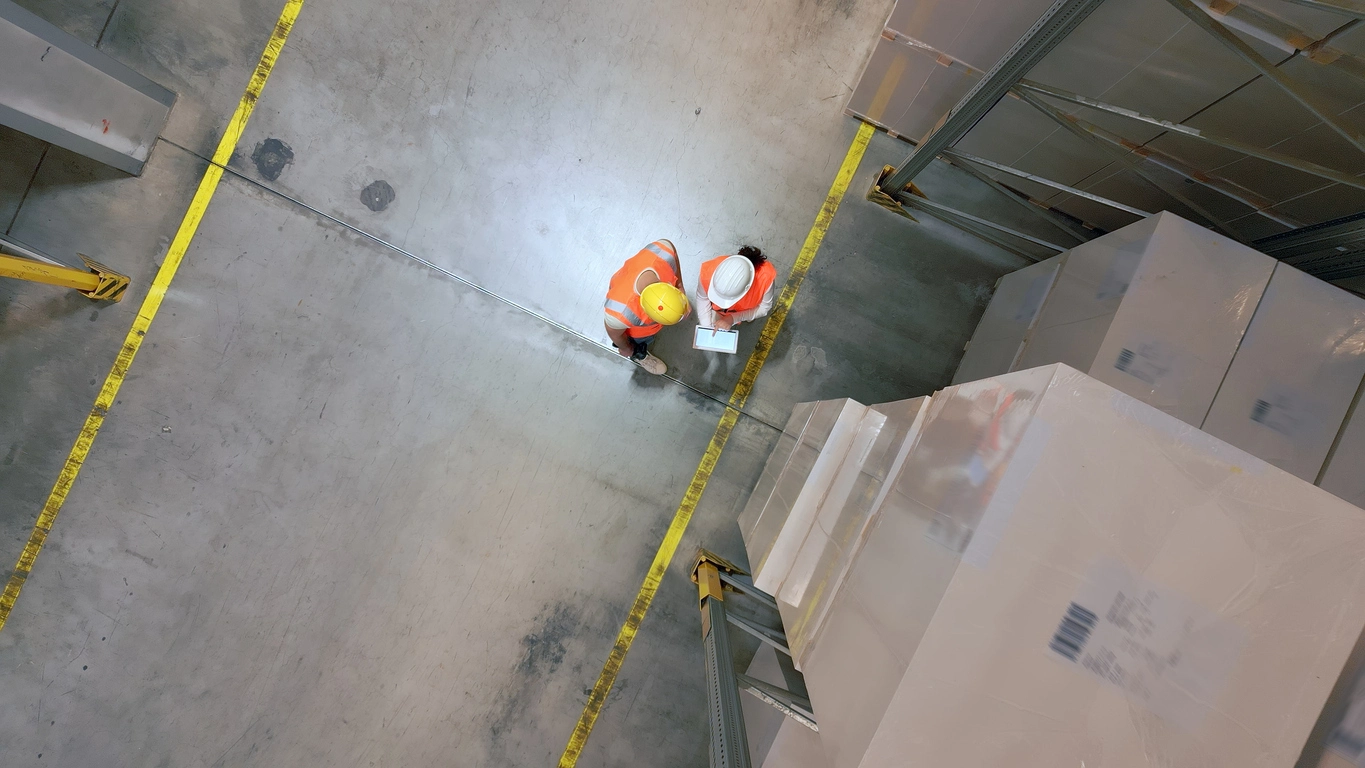
Manufacturing Sites
Monitor production areas, yards, entrances, restricted spaces, and safety-sensitive zones from a coordinated camera system.
Security Operations Visibility
Camera Security Now helps organizations design video systems that improve situational awareness by combining useful camera coverage with analytics, alerts, remote access, centralized management, and investigation tools.
Situational awareness is the ability to understand what is happening across a site well enough to make informed decisions. In video security, that requires more than simply installing cameras.
Teams may need overview cameras, targeted entrance or perimeter views, real-time alerts, maps or camera groups, analytics events, remote access, and recorded video that can be searched quickly.
A strong design balances broad awareness with enough image detail to verify activity and investigate incidents.
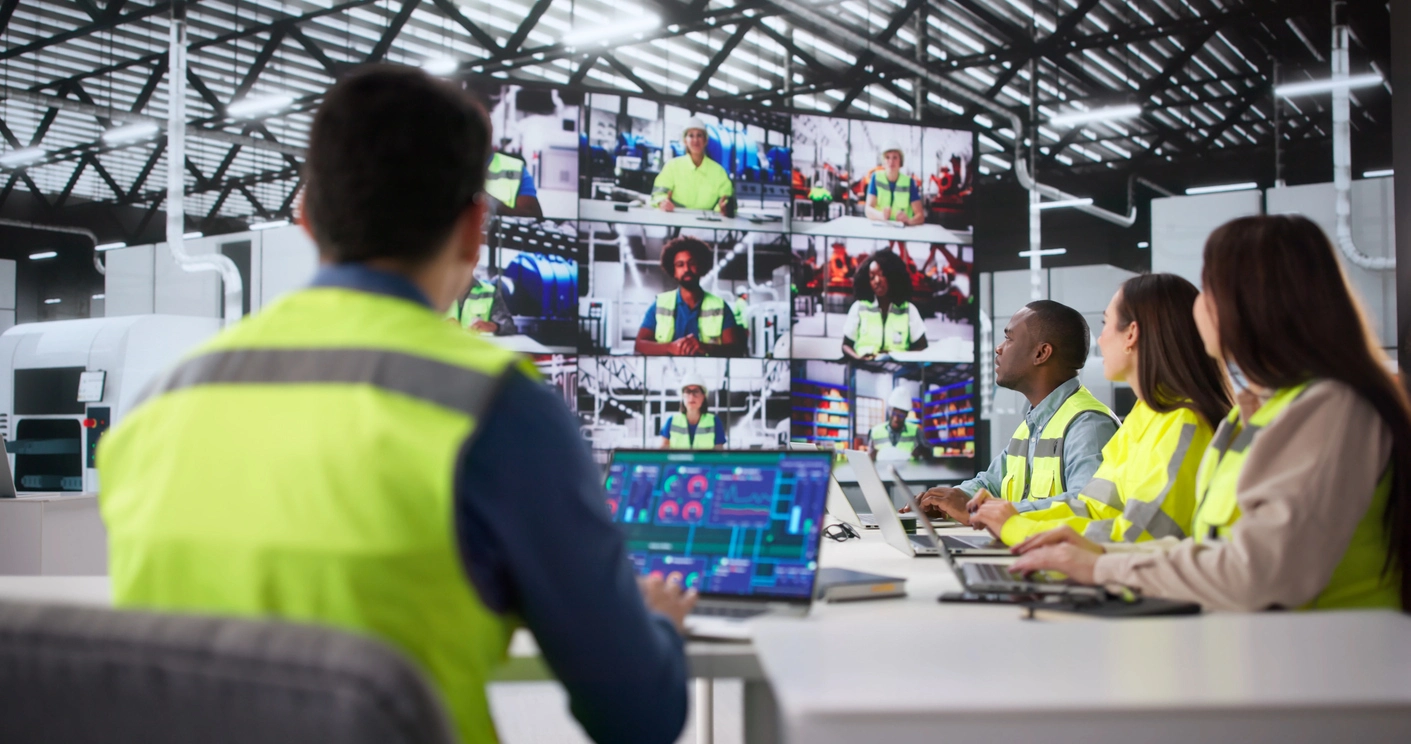
Commercial security systems are most useful when cameras, analytics, alerts, and human response are planned as one workflow.
Organize camera coverage so operators can understand activity across entrances, parking areas, interiors, yards, and critical zones.
Use analytics, alerts, camera groups, maps, and event metadata to help users move from an event to the relevant views.
Give authorized users enough current and recorded information to determine whether activity needs response, escalation, or later review.
The right deployment depends on the site, the events that matter, and the people responsible for reviewing or responding to them.
Monitor production areas, yards, entrances, restricted spaces, and safety-sensitive zones from a coordinated camera system.
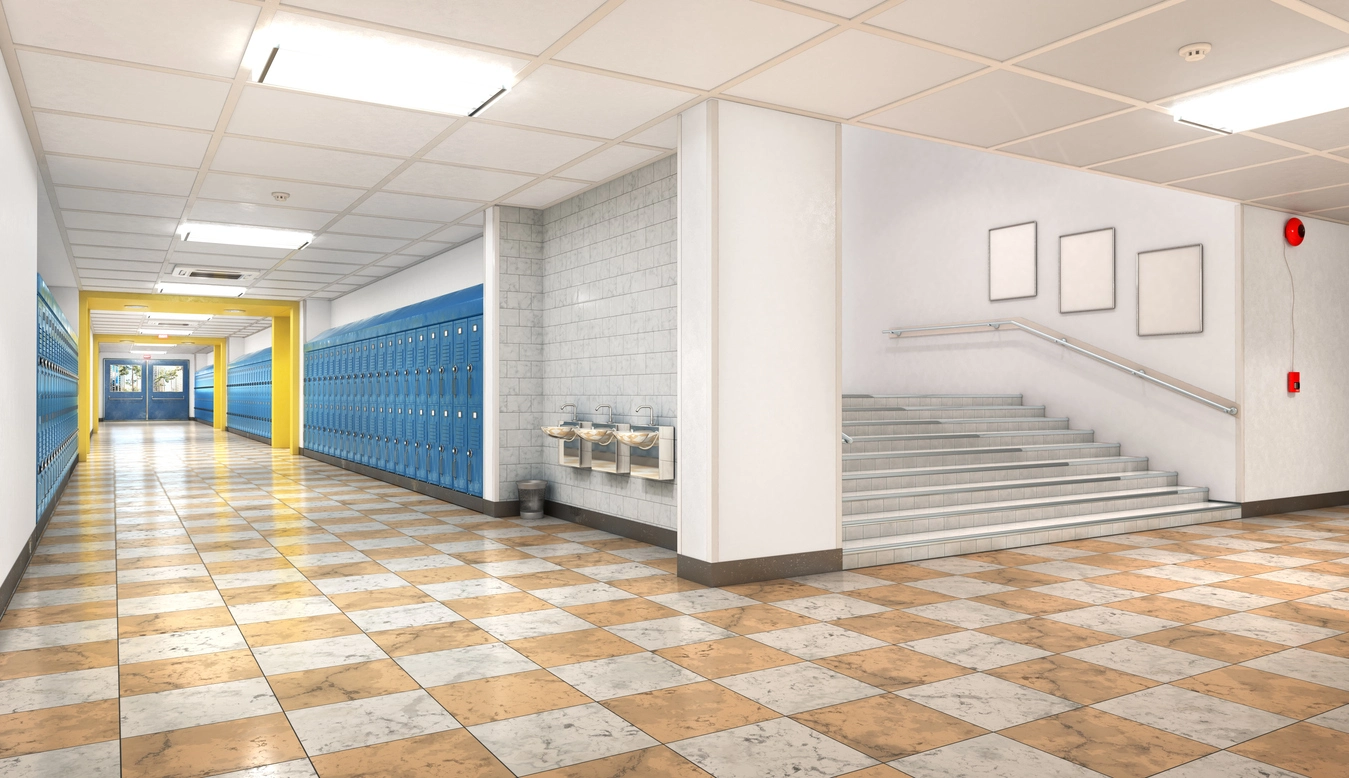
Use centralized management to organize cameras across multiple buildings, parking areas, and outdoor spaces.
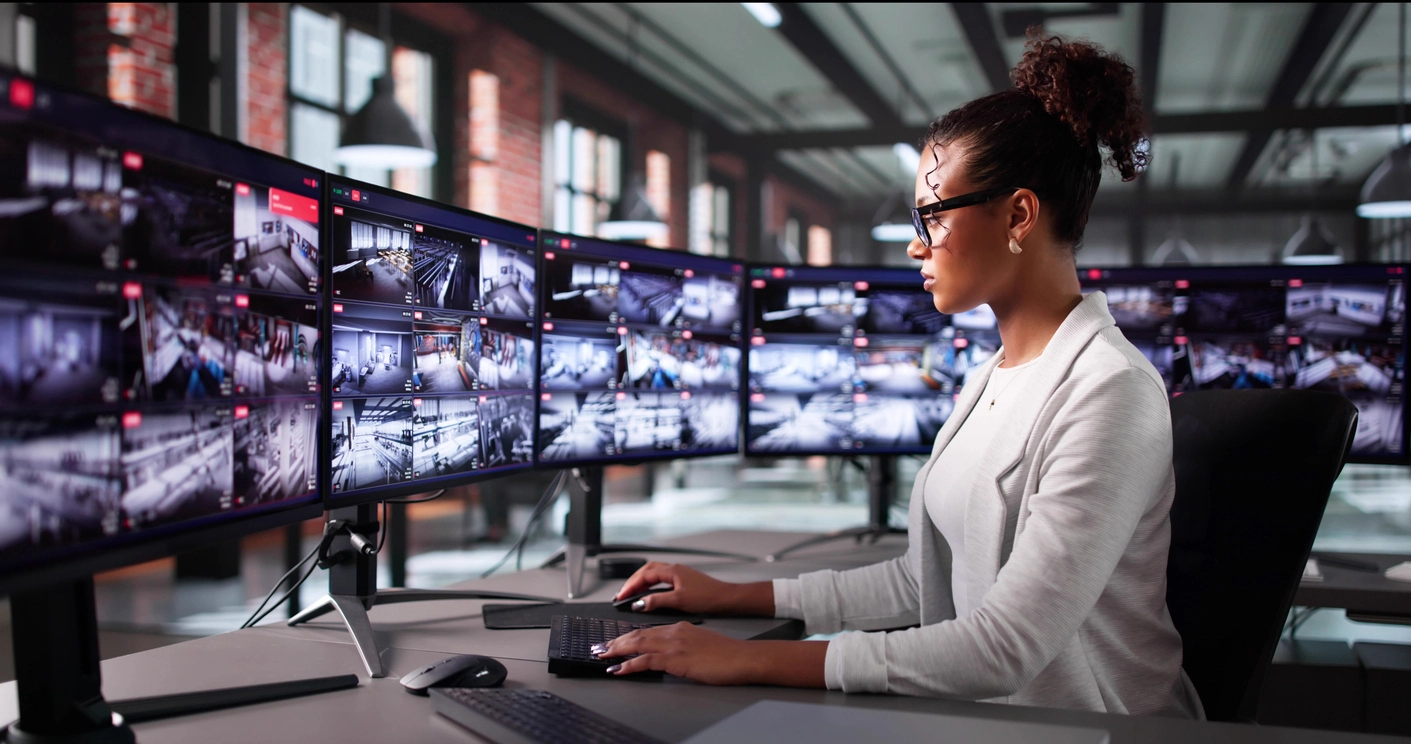
Combine broad public-area coverage with entrances, parking, and controlled-space views for more complete context.
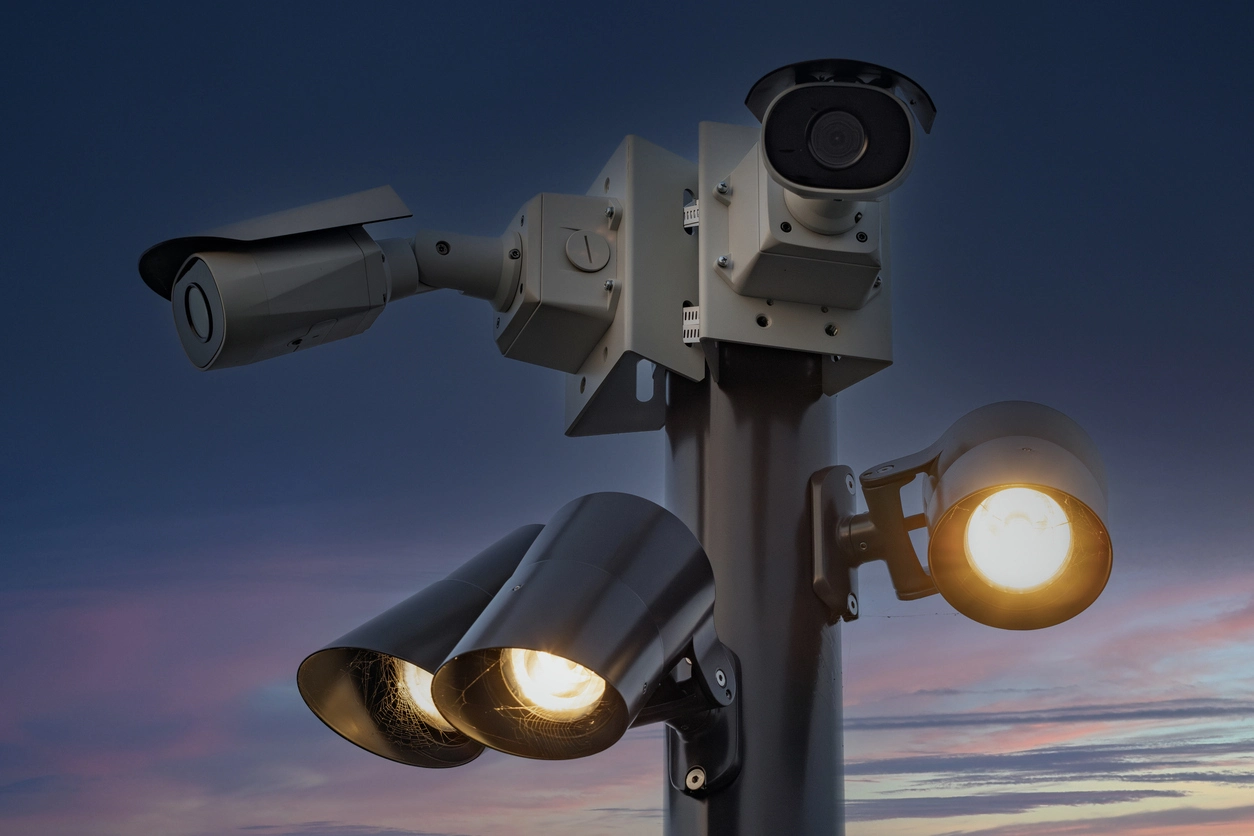
Use fixed, PTZ, perimeter, and loading-area cameras to understand activity across large operational spaces.
Planning Considerations
More camera feeds do not automatically produce better awareness.
Operators need camera names, logical site groups, useful viewing layouts, maps or location context where supported, appropriate alert rules, and predictable access to recorded video.
Camera Security Now helps businesses plan the cameras, VMS architecture, networking, analytics, alerts, remote viewing, and permissions needed to make a larger surveillance system understandable.
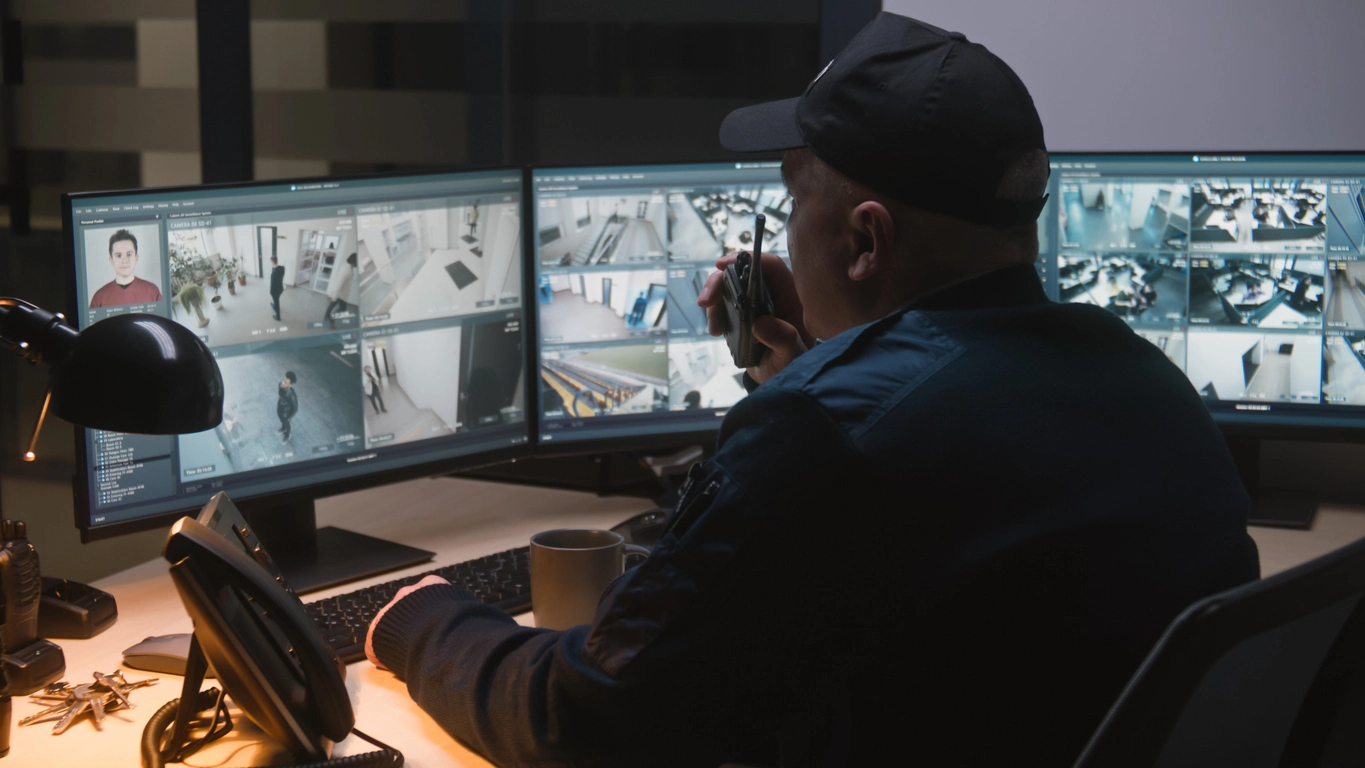
Capabilities vary by camera, recorder, VMS, cloud platform, analytics license, integration method, and site conditions.
Identify entrances, corridors, perimeters, parking areas, operational zones, and transitions where missing views would make an incident harder to understand.
Use consistent names, groups, maps, and layouts so users can move between related views quickly.
Reserve immediate notifications for events that genuinely require awareness or response.
Make sure recorded video, smart search, event filtering, and retention support post-event reconstruction.
This capability often works alongside AI video analytics, alerts, remote monitoring, investigation tools, access control, and other commercial security workflows.
Use commercial security cameras, analytics, maps, alerts, remote viewing, and centralized management to improve real-time situational awareness across facilities and sites.
Video situational awareness combines camera coverage, system organization, analytics, alerts, and investigation tools so security and operations teams can understand activity across a property.
Large facilities often need a combination of overview views and targeted cameras around entrances, parking areas, restricted zones, production spaces, perimeters, and other high-priority locations.
Camera Security Now helps organizations design commercial surveillance systems around the information users actually need during live monitoring and post-incident review.
Get answers to common questions about this security camera solution.
Video situational awareness is the use of organized live and recorded camera information to help authorized users understand current conditions, relevant events, and activity across a property.
No. Good camera placement, viewing layouts, maps, remote access, and recorded video can provide substantial situational awareness. AI analytics can add event prioritization and searchable metadata where appropriate.
Yes. Centralized management and compatible VMS or cloud platforms can provide approved users with organized visibility across multiple locations.
The design may use fixed cameras, PTZ cameras, fisheye cameras, thermal cameras, perimeter cameras, and specialized views depending on the environment and required detail.
Tell us about your locations, cameras, current systems, and the events your team needs to detect or review. We’ll help you evaluate a practical commercial security approach.