
Manufacturing Safety
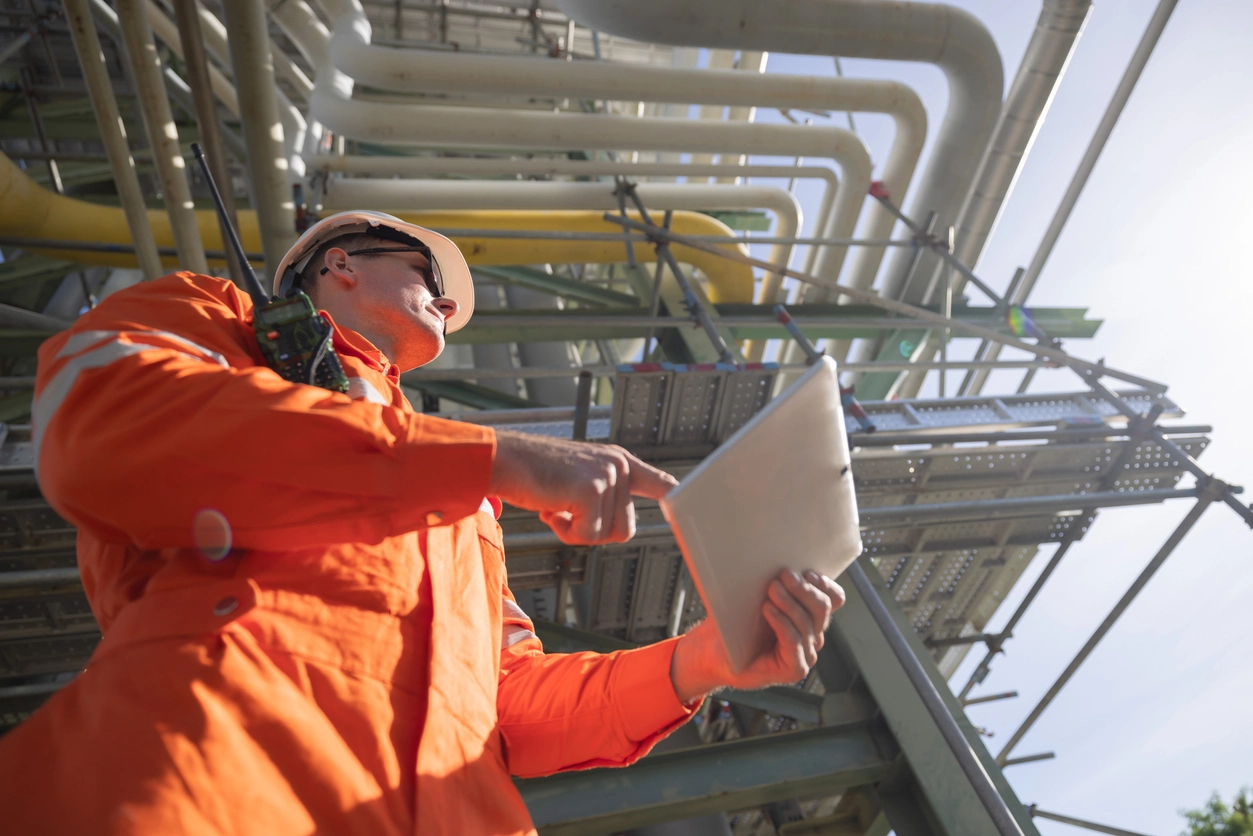
Monitor restricted production areas, pedestrian zones, equipment boundaries, and recurring safety-review locations.
AI Policy and Safety Analytics
Camera Security Now helps organizations evaluate camera analytics that can identify supported conditions associated with safety rules, restricted areas, occupancy limits, movement rules, and other defined operational policies.
Rule violation detection is not one universal AI model. In practice, organizations combine specific analytics such as intrusion detection, line crossing, occupancy thresholds, loitering, object detection, fall detection, or other supported rules.
The system can create an event when a defined condition occurs, but a human reviewer may still need to determine whether the event represents a true policy, safety, or operational violation.
Analytics should be configured around observable conditions rather than vague assumptions about intent.
Commercial security systems are most useful when cameras, analytics, alerts, and human response are planned as one workflow.
Flag supported person or vehicle activity in zones where access should be limited by schedule, authorization, or operating condition.
Use occupancy, queue, crowd, dwell, or other supported analytics to identify conditions that exceed defined limits.
Create searchable events or alerts so managers can review potential safety or policy exceptions without scrubbing through continuous footage.
The right deployment depends on the site, the events that matter, and the people responsible for reviewing or responding to them.
Monitor restricted production areas, pedestrian zones, equipment boundaries, and recurring safety-review locations.
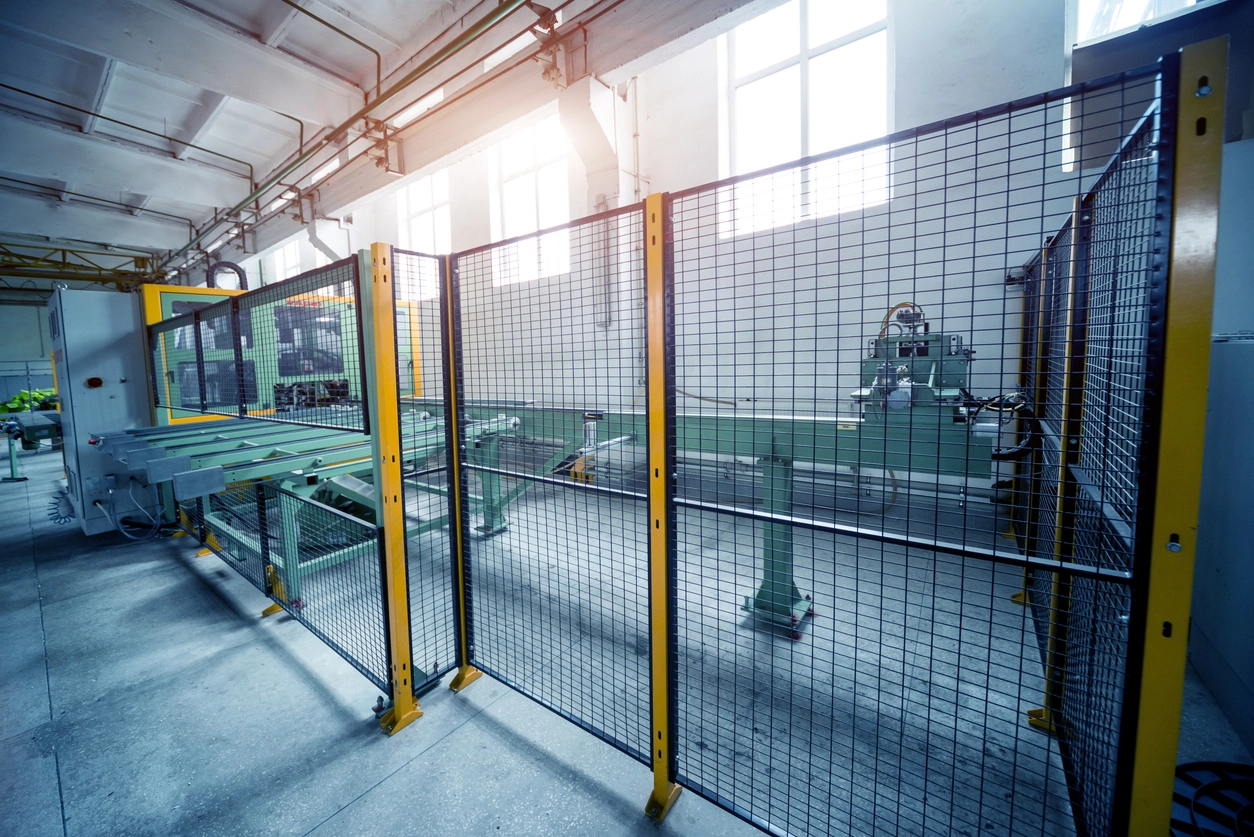
Review restricted storage areas, loading zones, travel paths, and after-hours movement for defined exceptions.
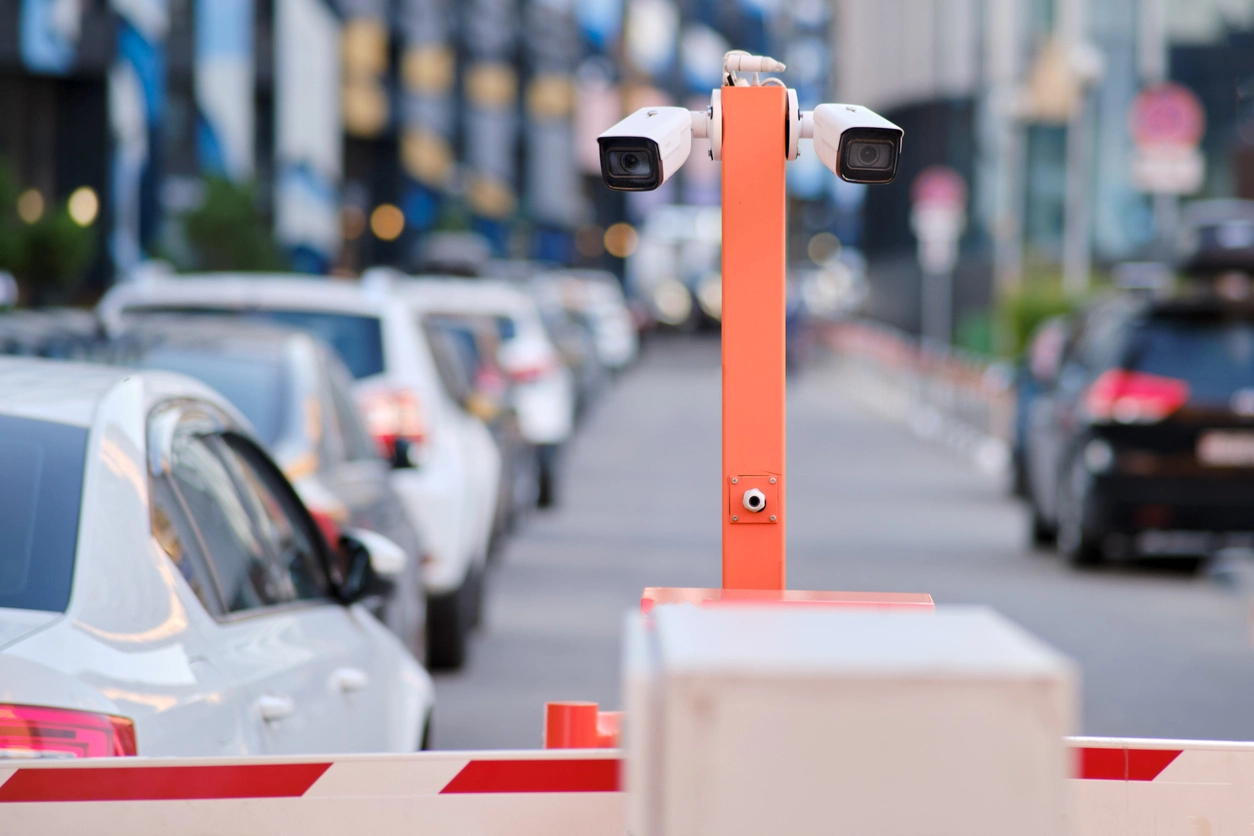
Use line crossing, occupancy, loitering, and access-related events to support defined campus operating policies.
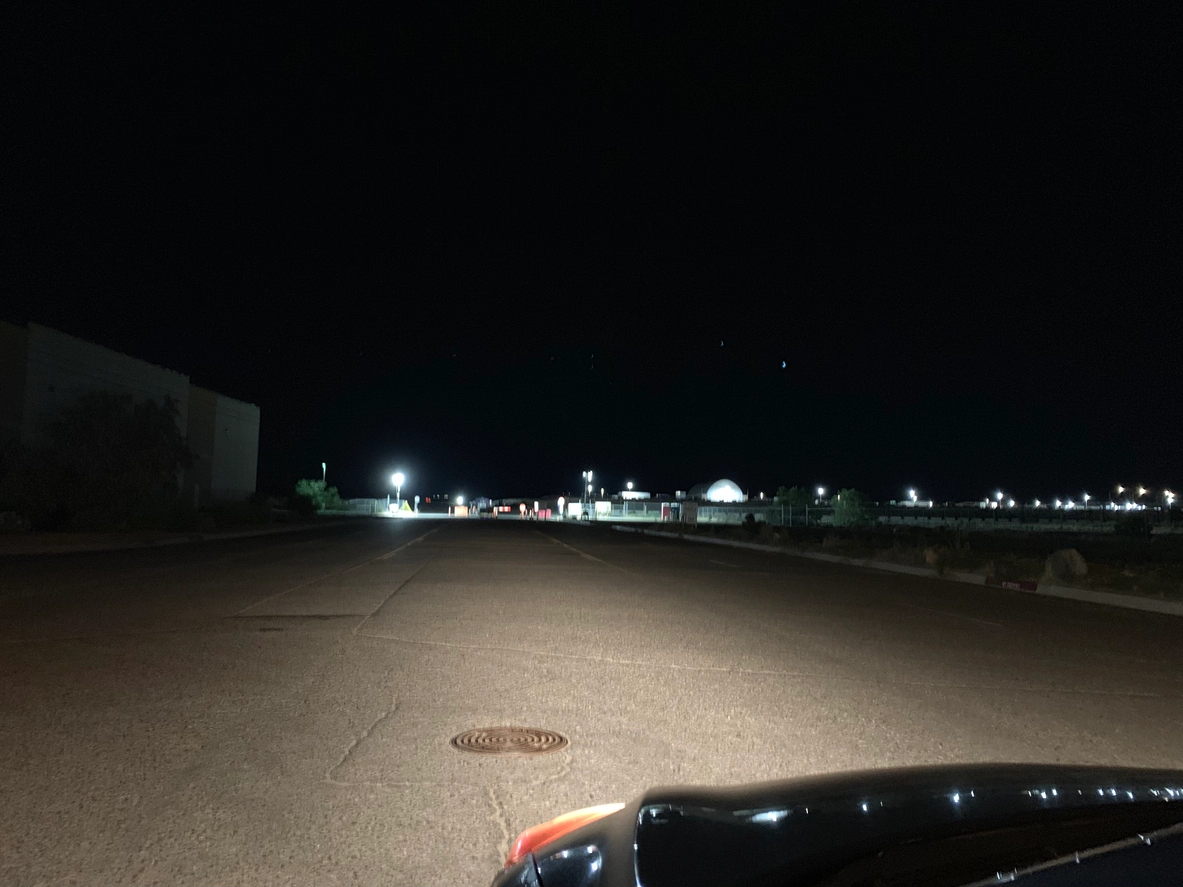
Flag supported intrusion, vehicle, loitering, or line-crossing events around controlled exterior areas.
Planning Considerations
AI performs better when the desired condition can be translated into a specific camera-visible event.
Examples include crossing a virtual line, entering a restricted zone, remaining in an area too long, exceeding an occupancy threshold, leaving or removing an object, or triggering another supported analytics rule.
Camera Security Now helps organizations map real operational concerns to compatible analytics without presenting AI as capable of reliably interpreting every policy, intention, or behavior.

Capabilities vary by camera, recorder, VMS, cloud platform, analytics license, integration method, and site conditions.
Translate the business or safety requirement into an observable event the selected camera analytics can actually detect.
Detection quality depends on angle, distance, lighting, occlusion, scene complexity, and how clearly the relevant activity appears in the frame.
Decide which events require immediate notification and which are better stored for later review or reporting.
Use camera footage and surrounding context to verify events before making important decisions about a potential violation.
This capability often works alongside AI video analytics, alerts, remote monitoring, investigation tools, access control, and other commercial security workflows.
Evaluate AI video analytics for supported rule, safety, restricted-area, occupancy, line-crossing, loitering, and operational policy violation detection in commercial environments.
AI rule violation detection is best understood as a collection of specific analytics rules rather than a single system that understands every workplace policy.
Commercial camera platforms may support intrusion zones, line crossing, occupancy thresholds, loitering, object events, fall detection, crowd conditions, and other analytics that can represent observable exceptions.
Camera Security Now helps organizations select cameras and analytics around clearly defined conditions, configure useful alerts or searchable events, and preserve recorded context for review.
Get answers to common questions about this security camera solution.
It is the use of supported video analytics rules to flag observable conditions that may represent a safety, access, operational, or policy exception.
Not reliably in a general sense. Video analytics are better suited to detecting specific observable conditions such as entering a zone, crossing a line, exceeding an occupancy threshold, or remaining in an area for a defined time.
Yes, supported analytics events can often be connected to real-time notifications or monitoring workflows, depending on the platform.
Yes. Human review of the associated footage and context is important before making consequential decisions based on an analytics event.
Tell us about your locations, cameras, current systems, and the events your team needs to detect or review. We’ll help you evaluate a practical commercial security approach.