After-Hours Facilities
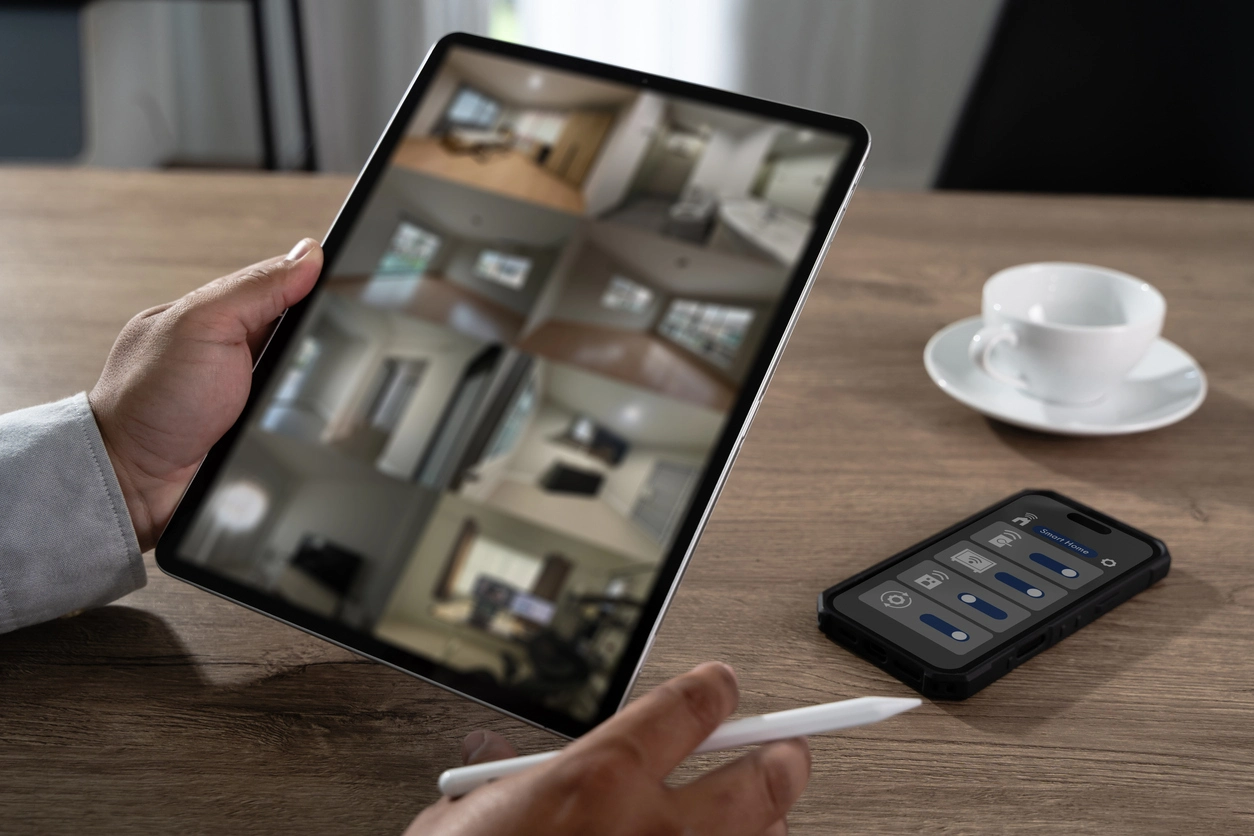
Combine intrusion events with cameras and remote review for buildings that are lightly staffed or unoccupied overnight.
Integrated Security Workflows
Camera Security Now helps businesses evaluate security camera alarm integration so supported video events, intrusion rules, access activity, alerts, and monitoring workflows can work together instead of operating as isolated systems.
A security camera can provide visual context around an alarm event, while a compatible alarm or monitoring workflow can help determine which events deserve immediate attention.
Integration capabilities vary widely by manufacturer and platform. Some systems can associate camera events with intrusion inputs, access-control activity, alarm states, analytics rules, notifications, or monitoring queues.
The goal is not to automate every response. It is to reduce friction between detection, verification, notification, investigation, and human decision-making.
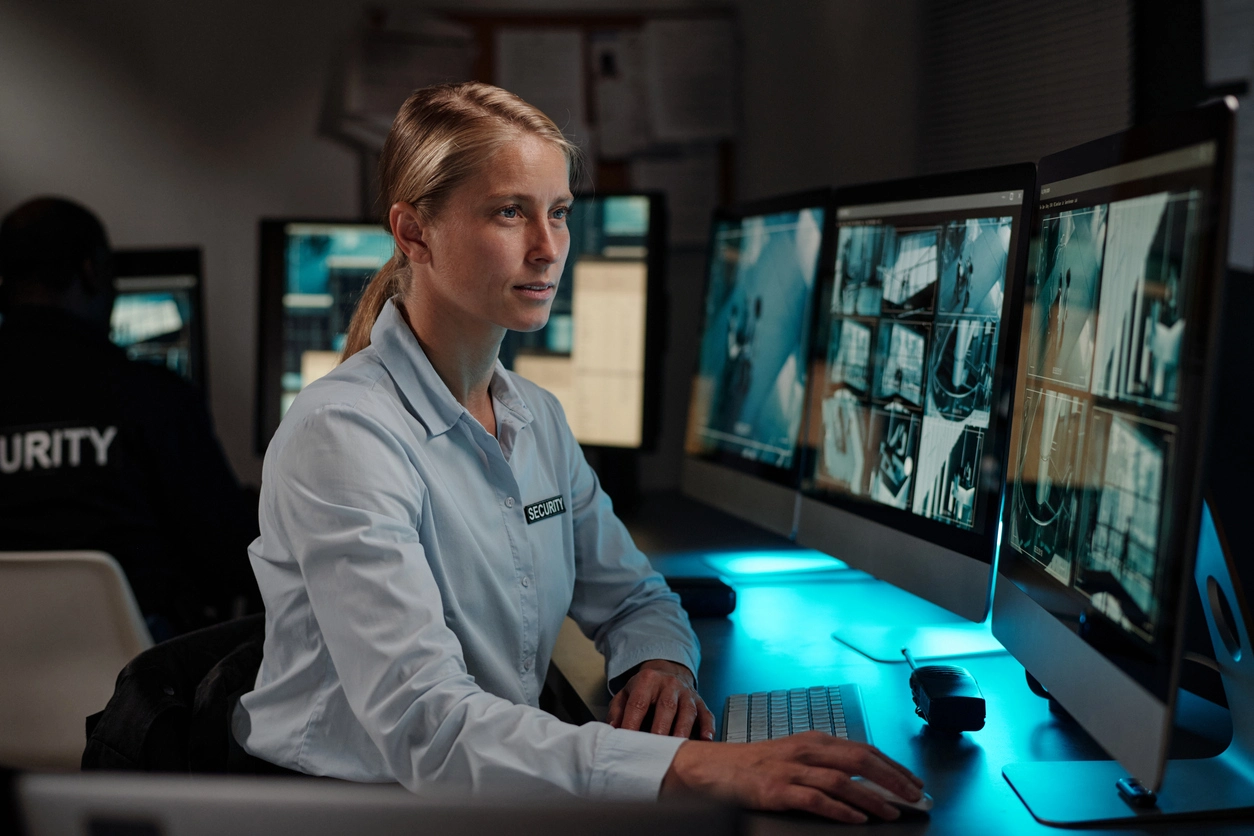
Commercial security systems are most useful when cameras, analytics, alerts, and human response are planned as one workflow.
Use compatible camera views to add visual context when an intrusion, access, or other supported alarm event occurs.
Route selected events into notifications or monitoring workflows so authorized users can review activity sooner.
Keep camera events, alarms, access activity, and recorded video easier to correlate during post-incident review.
The right deployment depends on the site, the events that matter, and the people responsible for reviewing or responding to them.
Combine intrusion events with cameras and remote review for buildings that are lightly staffed or unoccupied overnight.
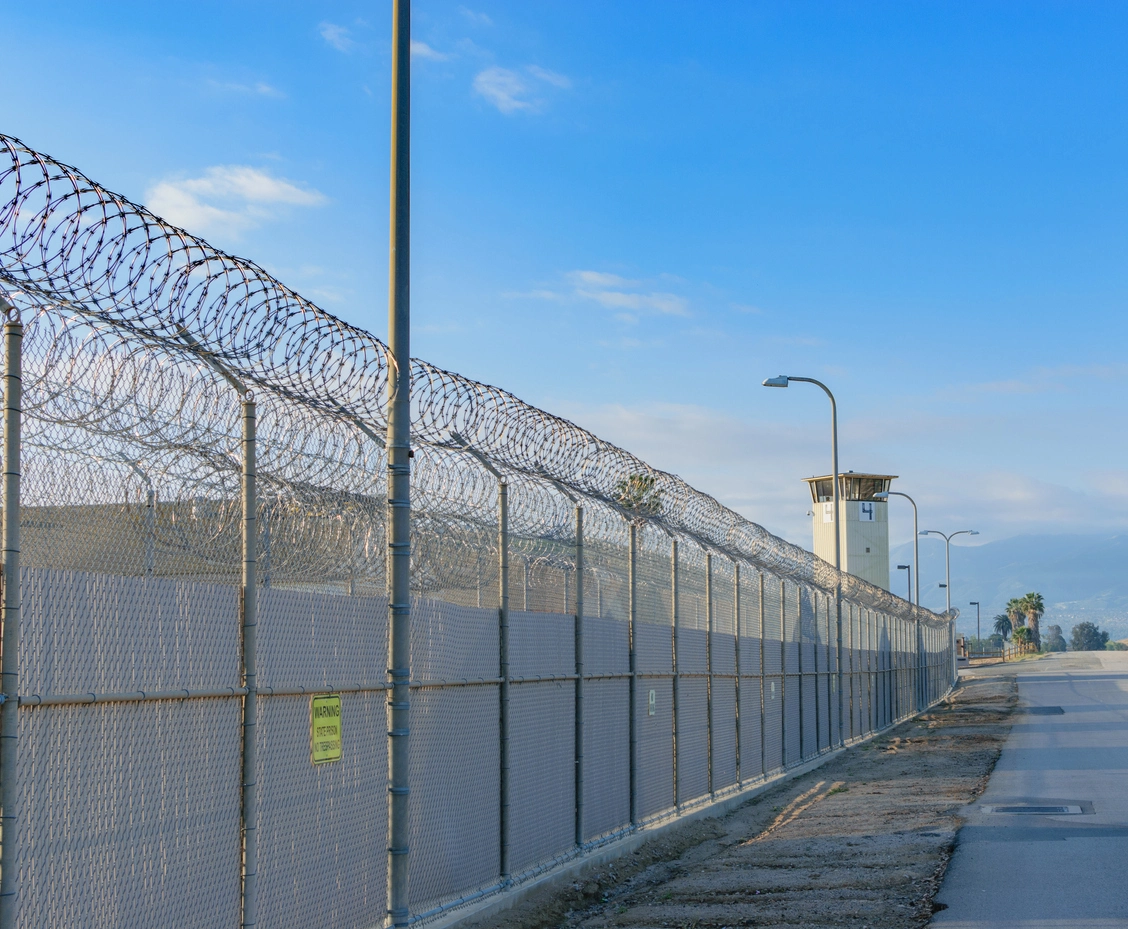
Coordinate camera views, restricted-area events, and alarm workflows around critical infrastructure.
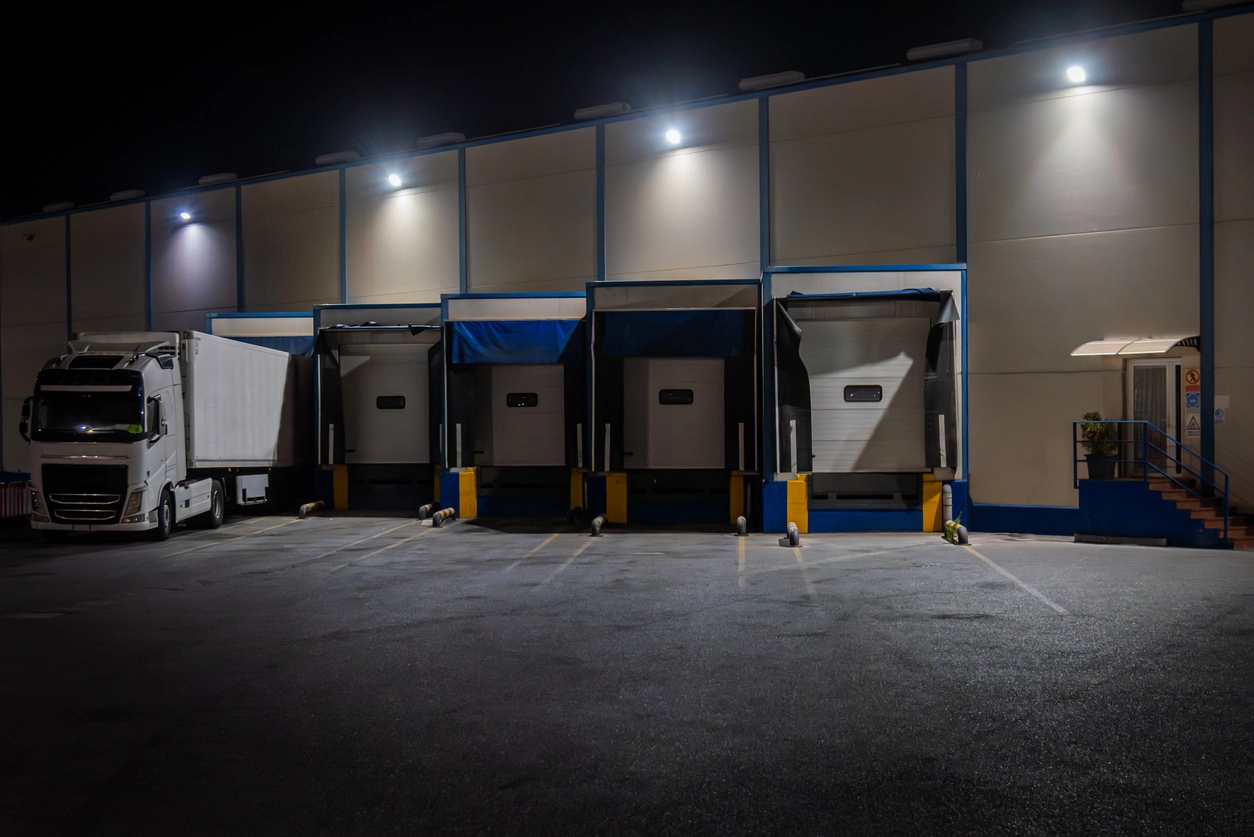
Use dock, yard, and restricted-area cameras to provide context around alarms and after-hours activity.
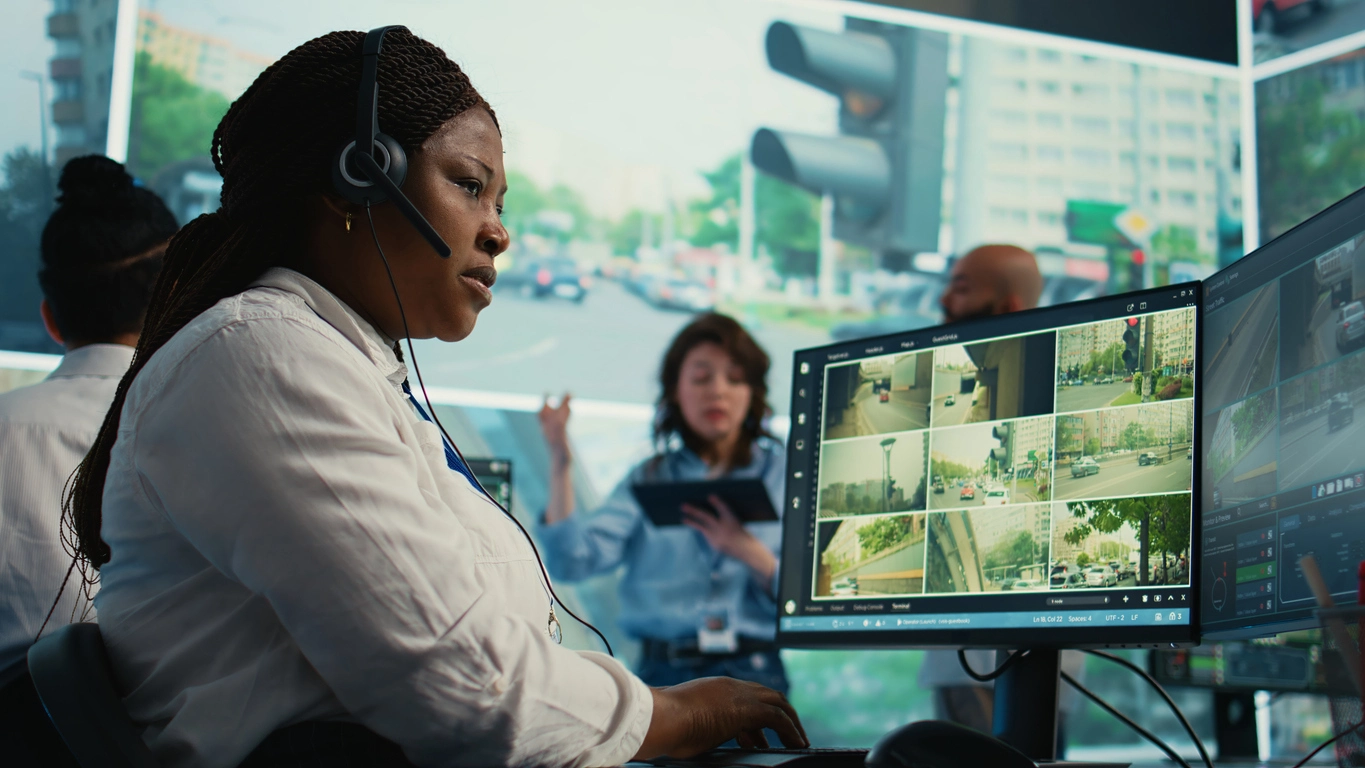
Bring camera, access, perimeter, and alert information into a more consistent multi-building workflow.
Planning Considerations
A useful integration starts with a clear event path from detection to verification and response.
Businesses should define which events can be correlated, who receives them, what visual information is available, how events are acknowledged, and what should remain available for later investigation.
Camera Security Now can help evaluate cameras, recorders, VMS platforms, access control, analytics, network requirements, and notification workflows without assuming every device or vendor supports the same integrations.
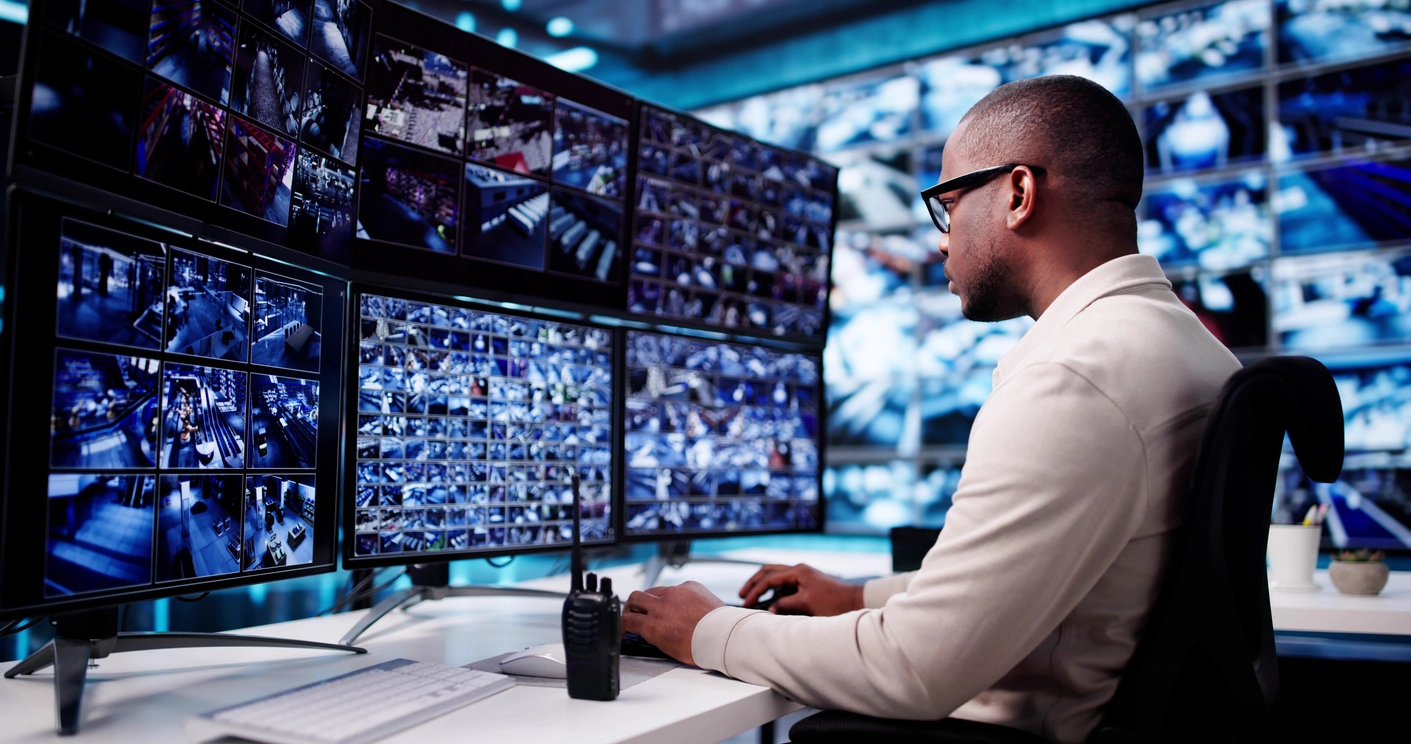
Capabilities vary by camera, recorder, VMS, cloud platform, analytics license, integration method, and site conditions.
Confirm which cameras, recorders, VMS platforms, access-control systems, alarm inputs, and APIs or native integrations are actually supported.
Decide which alarm or analytics events should open video, create notifications, or enter a monitoring queue.
Limit configuration and event access to approved users and roles.
Do not treat a camera analytics workflow as a replacement for required life-safety, fire-alarm, or code-mandated systems.
This capability often works alongside AI video analytics, alerts, remote monitoring, investigation tools, access control, and other commercial security workflows.
Integrate compatible security camera events with alarm, access-control, analytics, notification, and monitoring workflows for faster commercial security review.
Alarm integration can help commercial security teams move from isolated camera clips and separate alarm events toward a more coordinated review process.
Depending on the platform, cameras may be associated with intrusion events, access-control activity, analytics rules, system conditions, or monitoring workflows. Integration should be verified before purchase because capabilities vary by manufacturer, recorder, VMS, and licensing.
Camera Security Now helps organizations evaluate practical integration requirements so the design supports real-world security operations instead of relying on unsupported automation assumptions.
Get answers to common questions about this security camera solution.
Many commercial platforms support some form of camera and alarm integration, but the exact capabilities depend on the camera, recorder, VMS, alarm platform, licensing, and integration method.
Some integrated systems can associate an alarm or access event with one or more camera views. This capability should be confirmed for the specific platform.
No. Video analytics can support detection and verification workflows, but they should not be treated as a substitute for required alarm, fire, or life-safety systems.
Depending on the system, associated video, analytics events, alarm states, bookmarks, or access activity may remain available for investigation and reporting.
Tell us about your locations, cameras, current systems, and the events your team needs to detect or review. We’ll help you evaluate a practical commercial security approach.