
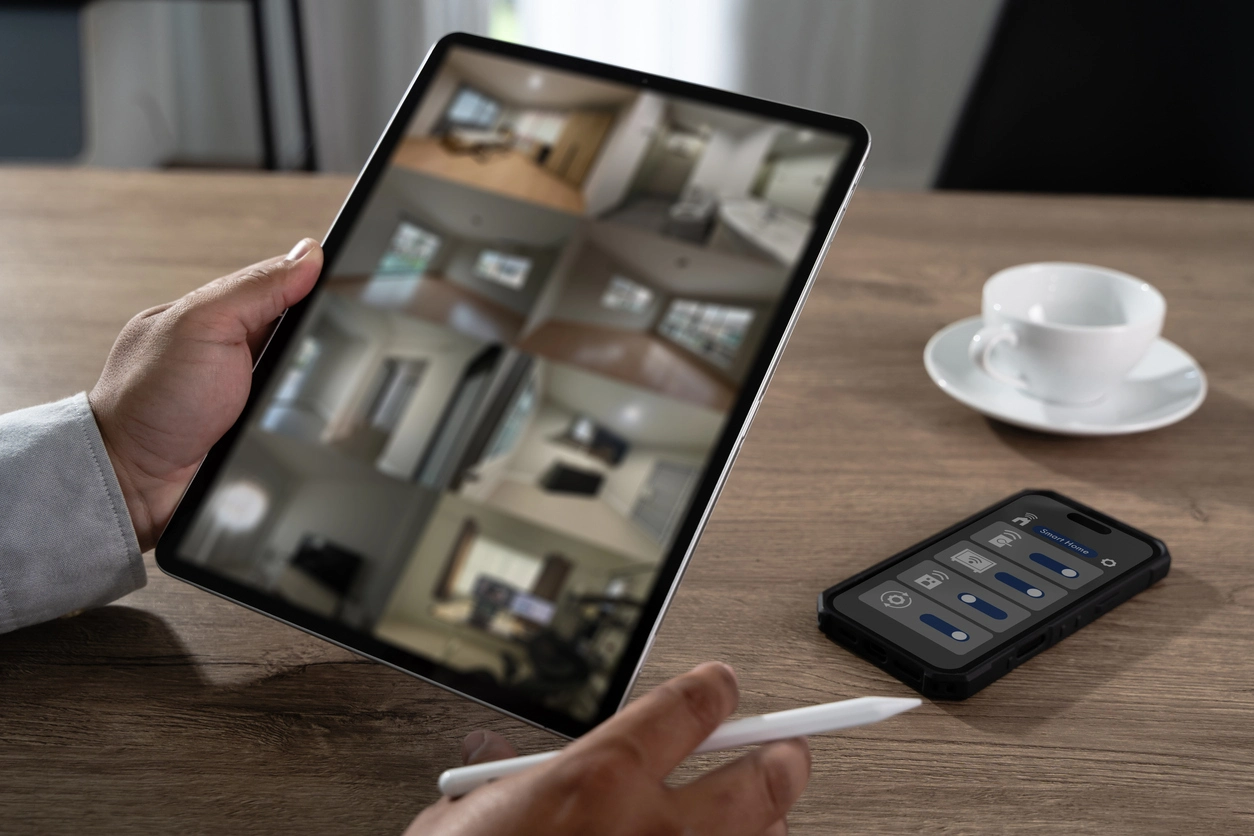
After-Hours Businesses
Review selected activity when offices, stores, warehouses, or other properties should be quiet.
AI-Assisted Remote Surveillance
Camera Security Now helps businesses evaluate remote AI monitoring workflows that combine analytics-generated events with secure off-site camera review and centralized surveillance management.
Remote camera access lets authorized users view cameras away from the property. AI-assisted remote monitoring adds analytics that can classify or prioritize events before someone begins reviewing video.
Depending on the system, person detection, vehicle detection, intrusion rules, line crossing, loitering, perimeter analytics, or other events can be used to direct attention toward selected activity.
AI does not eliminate the need for human judgment. A strong remote monitoring workflow defines which events are important, who reviews them, how quickly they should be reviewed, and what happens after an event is verified.
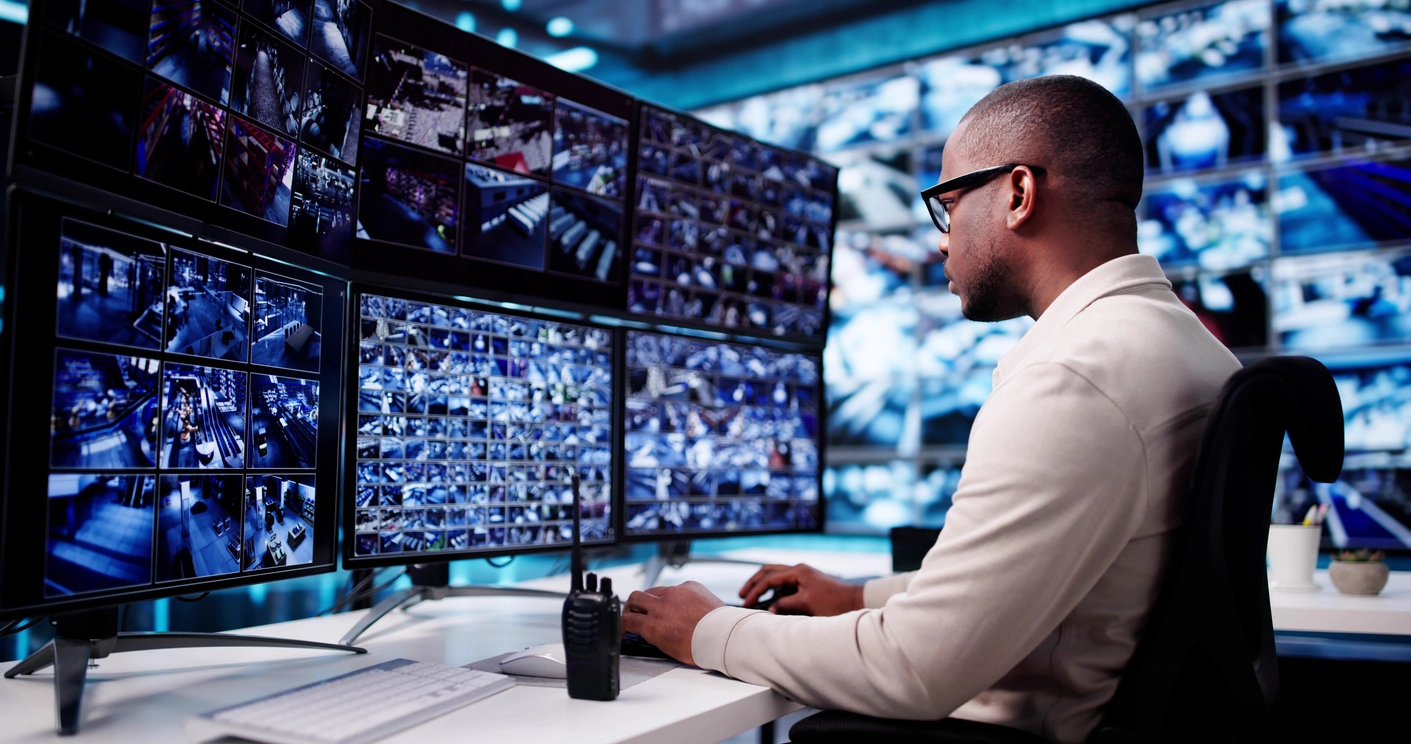
Analytics can help remote users spend less time watching uneventful feeds and more time reviewing prioritized activity.
Use supported AI events to direct attention toward people, vehicles, intrusion activity, or other selected conditions.
Review live and recorded cameras from approved remote locations instead of requiring staff to remain at the property.
Combine analytics and centralized management across multiple buildings, sites, or regions.
AI-assisted remote review is useful where properties are unstaffed, geographically dispersed, or difficult to watch continuously.
Review selected activity when offices, stores, warehouses, or other properties should be quiet.
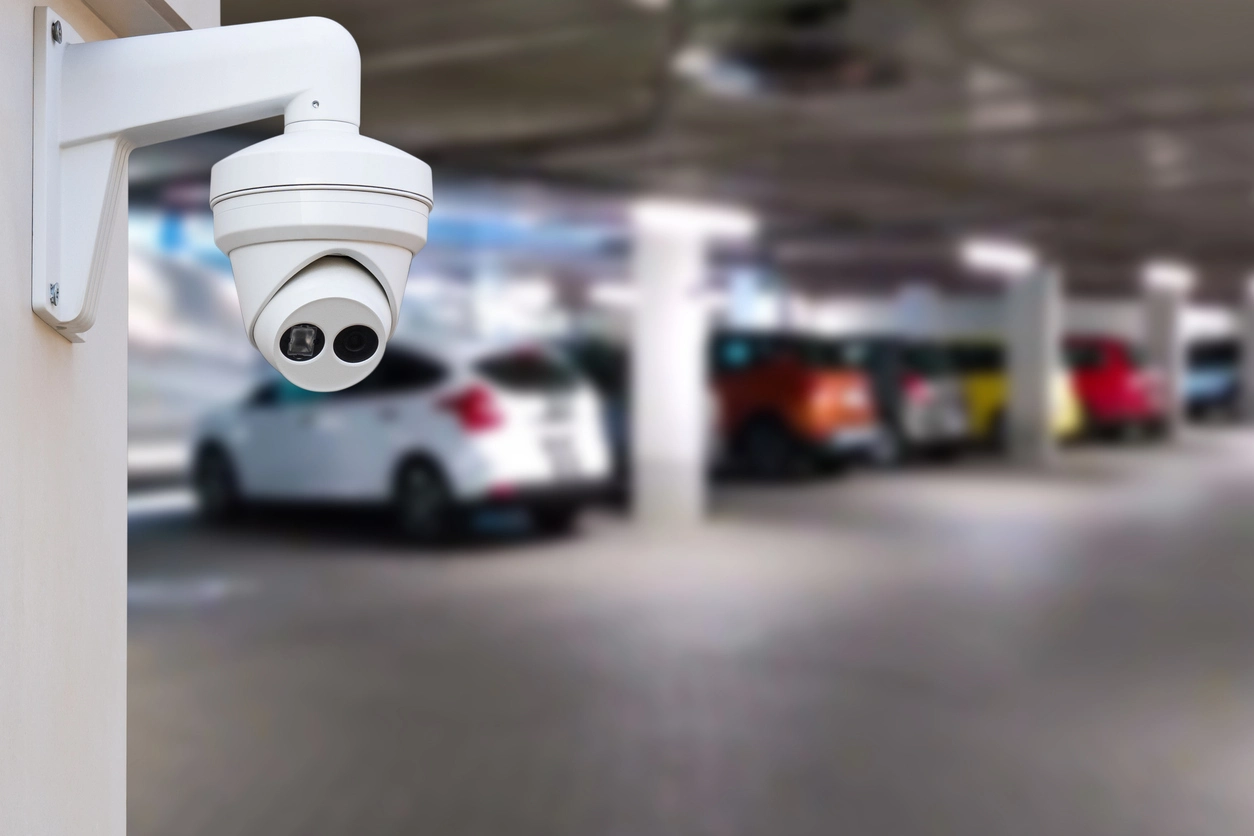
Prioritize person, vehicle, intrusion, or loitering events in exterior areas.
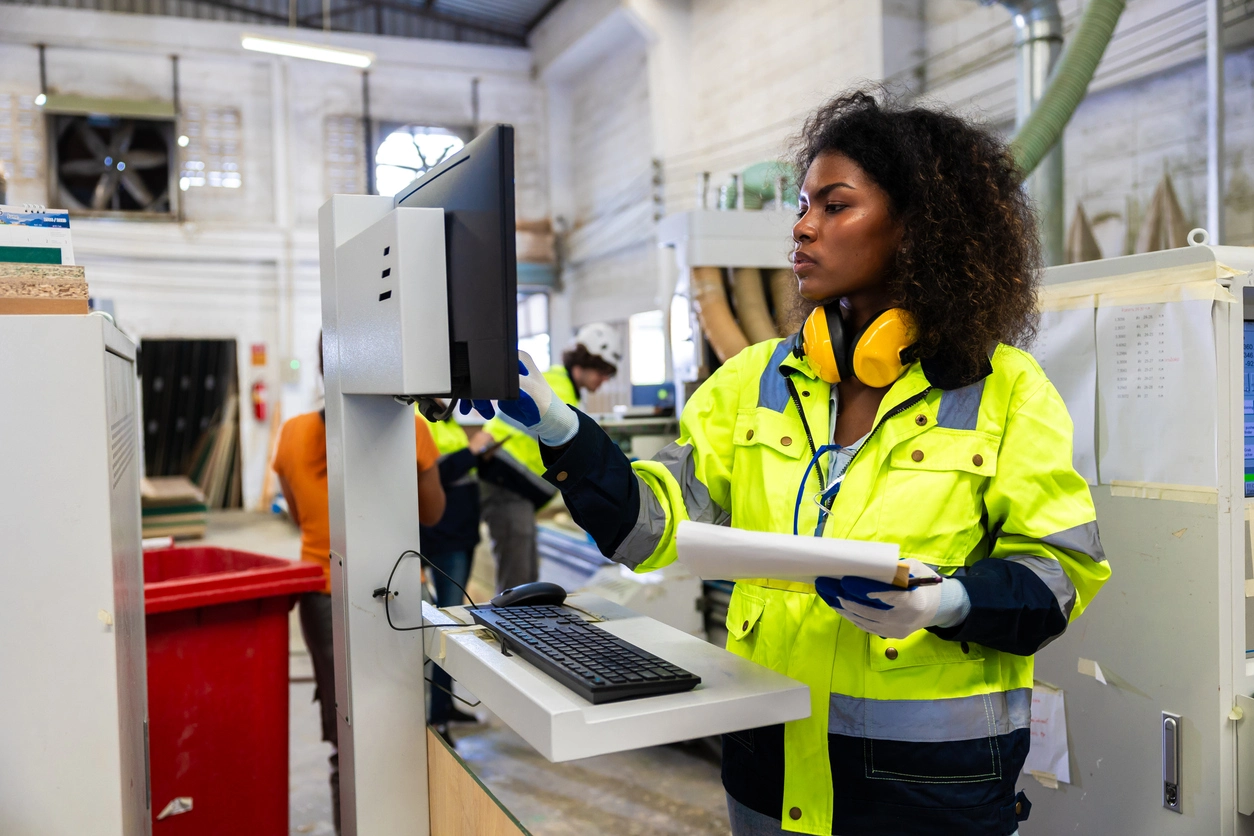
Monitor yards, docks, restricted zones, equipment areas, and perimeter events from approved off-site workstations.
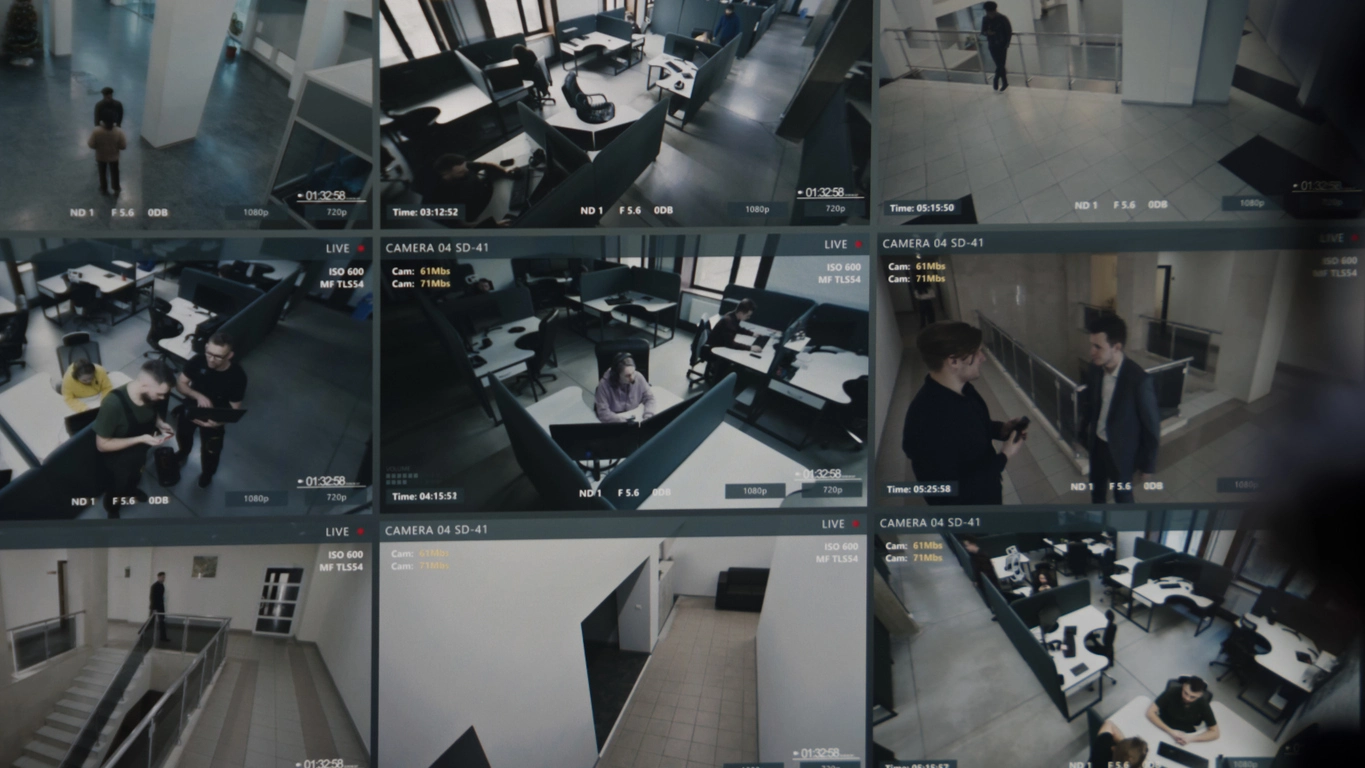
Use centralized views and analytics to support regional security or operations teams responsible for many properties.
Planning Considerations
The useful outcome comes from connecting analytics, alerts, remote access, recording, and human review.
A person-detection event may create a notification, but someone still needs to understand whether the person is an employee, customer, contractor, trespasser, or ordinary passerby.
Organizations should define event priorities, escalation steps, permissions, response expectations, and documentation before relying on remote monitoring for important security decisions.
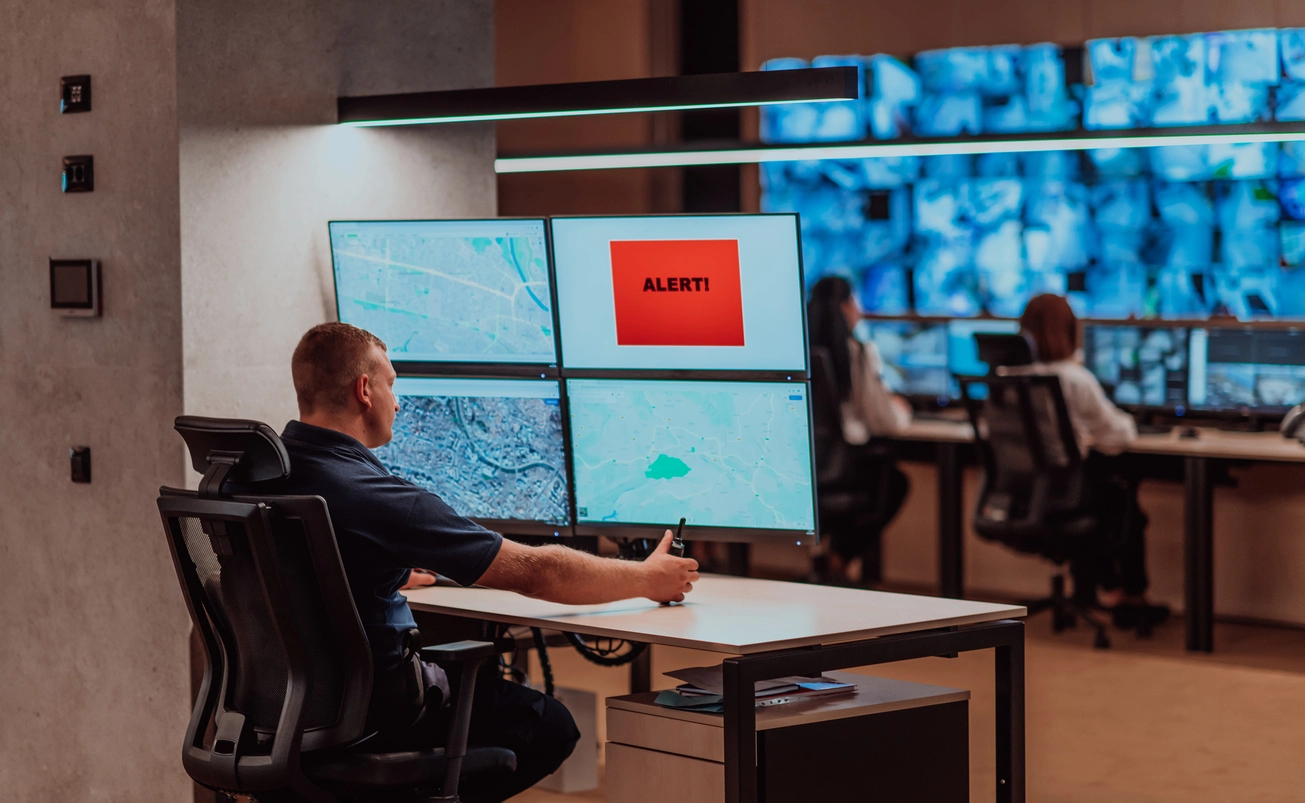
Successful monitoring depends on event quality, connectivity, permissions, and response procedures.
Poorly configured events can overwhelm remote reviewers instead of helping them.
Remote live view and playback depend on reliable connectivity at both the camera site and monitoring location.
Reviewers should only have access to the sites, cameras, playback, and controls required for their role.
Define what happens after a meaningful event is verified, including who is contacted and what information is recorded.
Remote AI monitoring combines remote access, real-time alerts, event filtering, centralized management, and AI video analytics.
Remote AI monitoring helps organizations combine off-site camera access with analytics-generated events and structured review workflows.
Instead of watching every camera continuously, remote users can focus on events created by supported analytics such as person detection, vehicle detection, intrusion rules, perimeter activity, or loitering.
This approach can support after-hours properties, industrial sites, parking lots, campuses, multi-location businesses, and other environments where centralized review is more practical than continuous on-site monitoring.
Camera Security Now helps organizations evaluate cameras, analytics, remote access, event filtering, alerts, storage, connectivity, and centralized management for realistic remote-monitoring workflows.
Get answers to common questions about this security camera solution.
Remote AI monitoring combines off-site camera access with supported video analytics that classify or prioritize events for review.
No. AI can help classify and prioritize events, but human judgment is still important for understanding context and deciding how to respond.
Yes. Many commercial systems can combine analytics and centralized camera access across multiple sites, depending on the platform and network design.
Potential events include people, vehicles, intrusion zones, line crossing, loitering, perimeter activity, access events, and other supported analytics.
Tell us which sites, events, and after-hours conditions your team needs to review. We’ll help you evaluate an AI-assisted remote monitoring workflow.