

Schools and Campuses
Coordinate specialized acoustic alerts with approved camera views, access control, and emergency procedures across campus environments.
Specialized Acoustic Detection
Camera Security Now helps organizations evaluate specialized acoustic gunshot detection as part of a broader security system, including camera integration, alerts, remote monitoring, and incident-review workflows where supported.
Gunshot detection is generally a specialized acoustic or multi-sensor capability. It should not be presented as a standard feature of ordinary security cameras.
When a supported event is detected, the platform may generate an alert and, depending on the system, associate the event with nearby cameras, maps, access-control activity, or other security information.
Detection technology should complement established emergency procedures rather than replace human judgment, emergency communications, or required response protocols.

Specialty monitoring works best when the sensors, cameras, alerts, recording, and response process are planned together.
Use supported acoustic detection to create an alert when the system identifies a possible gunshot-like event.
Where supported, bring up nearby camera views or recorded video to provide visual context around the detected location and time.
Use synchronized event timestamps, video, access activity, and other available records to support incident reconstruction.
The right deployment depends on the environment, the condition being detected, and the response expected after an event.
Coordinate specialized acoustic alerts with approved camera views, access control, and emergency procedures across campus environments.
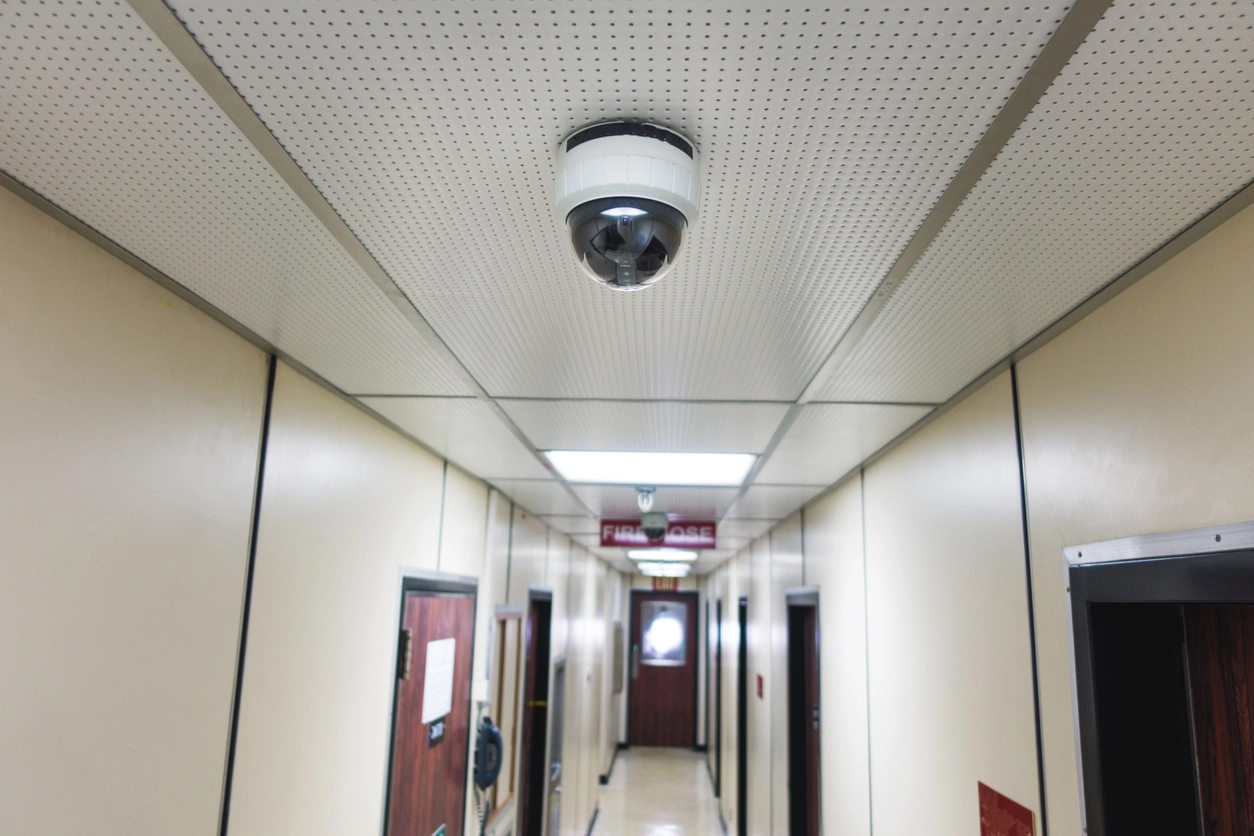
Use monitoring-room workflows to correlate specialized acoustic alerts with nearby camera views and facility information.
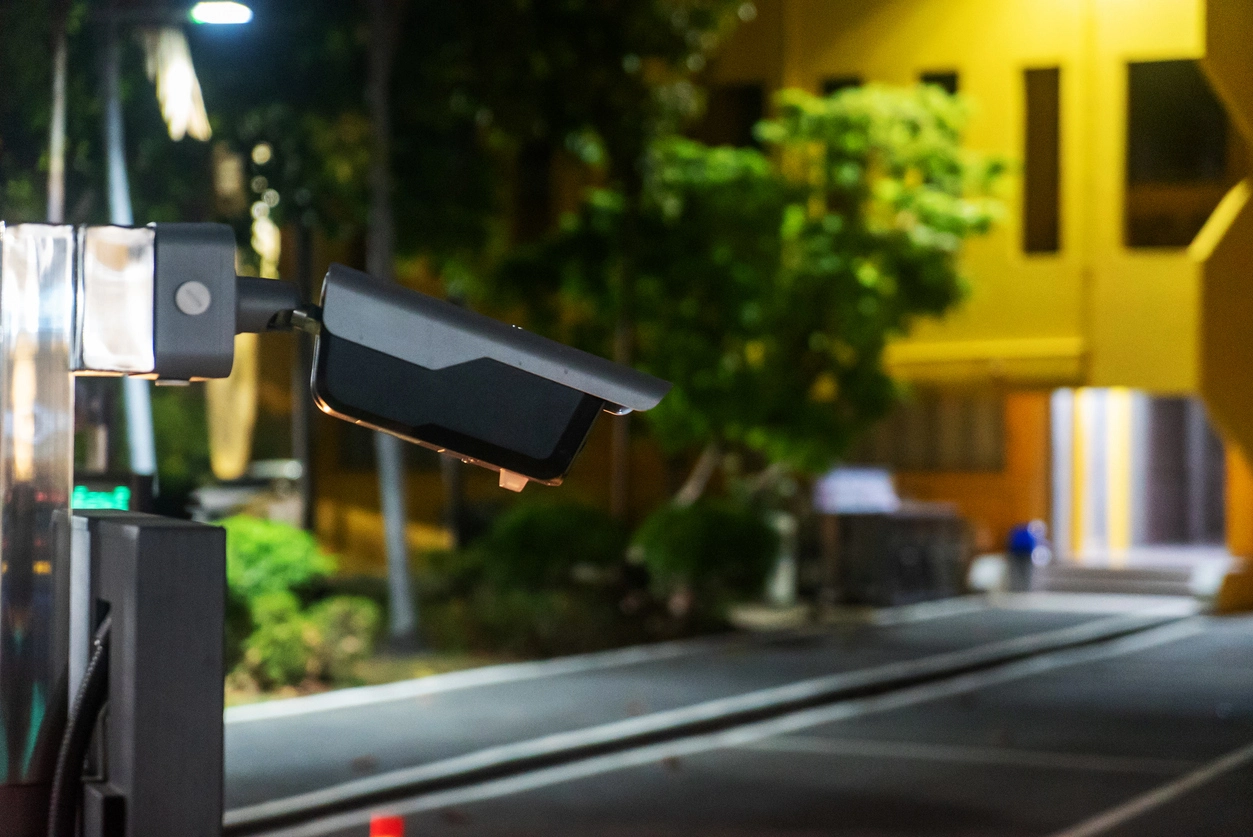
Integrate specialized event detection with cameras covering entrances, yards, parking, and operational spaces.
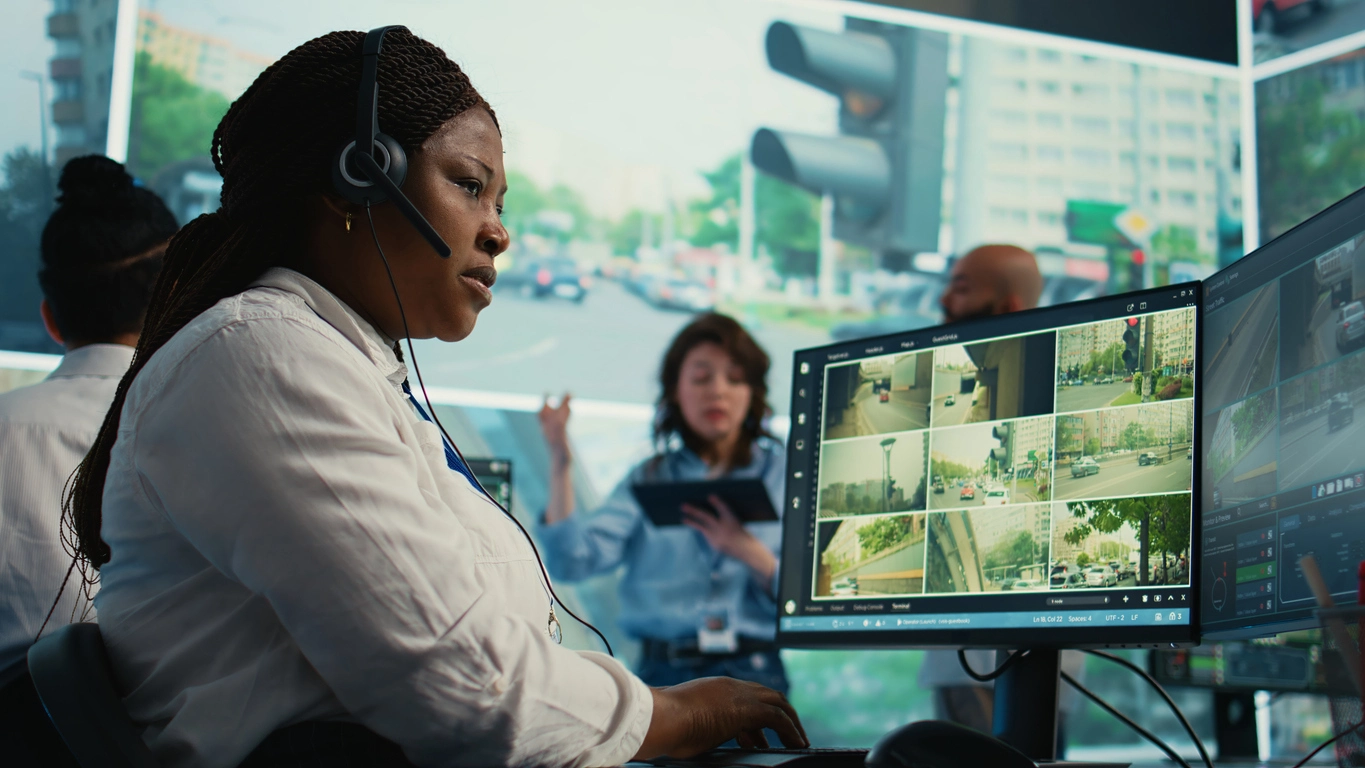
Use centralized monitoring to correlate alerts with camera groups across multi-building or multi-area facilities.
Planning Considerations
The acoustic detection system and the video system have different jobs but may provide stronger context when integrated.
A specialized sensor may identify the time and approximate location of a supported acoustic event, while nearby cameras can help authorized personnel review visible activity before, during, and after the event.
Camera Security Now helps organizations evaluate camera coverage, VMS integration, alert routing, access control, remote monitoring, and incident-review requirements without overstating the certainty or capabilities of acoustic detection.

Capabilities vary by manufacturer, sensor type, camera system, analytics license, network architecture, and integration method.
Evaluate the acoustic sensor layout, indoor or outdoor environment, background noise, building geometry, and manufacturer requirements.
Identify which nearby camera views should be associated with each detection zone when the platform supports event-to-camera mapping.
Define who receives an event, how it is verified, and how the workflow fits established emergency procedures.
Treat automated detection as an additional signal rather than a guarantee that every firearm discharge will be detected or correctly classified.
Specialty detection may work alongside security cameras, alerts, remote monitoring, VMS platforms, access control, and incident review.
Evaluate specialized acoustic gunshot detection systems and how supported alerts may integrate with security cameras, VMS platforms, access control, and emergency response workflows.
Gunshot detection systems use specialized acoustic or multi-sensor technology to identify supported gunshot-like events and generate alerts.
When integrated with compatible video systems, a detected event may be associated with nearby cameras, maps, access activity, or incident-review tools so authorized teams have more context.
Camera Security Now helps organizations evaluate the specialized sensors, camera coverage, notification workflow, VMS integration, access control, and recording needed for a coordinated deployment.
Get answers to common questions about this security camera solution.
Ordinary cameras generally should not be assumed to provide reliable gunshot detection. Specialized acoustic or multi-sensor systems are designed for that purpose.
Some platforms can associate acoustic detection events with nearby camera views, maps, alerts, or recorded video. Compatibility varies by manufacturer and system architecture.
No. Gunshot detection typically analyzes acoustic or other sensor signals, while video weapon detection analyzes visible objects in compatible camera footage.
No. Detection performance depends on the technology, environment, sensor placement, configuration, and event characteristics. It should complement established safety and emergency procedures.
Tell us about the facility, current cameras or security systems, the condition you need to detect, and how your team should respond. We’ll help you evaluate a practical system.